

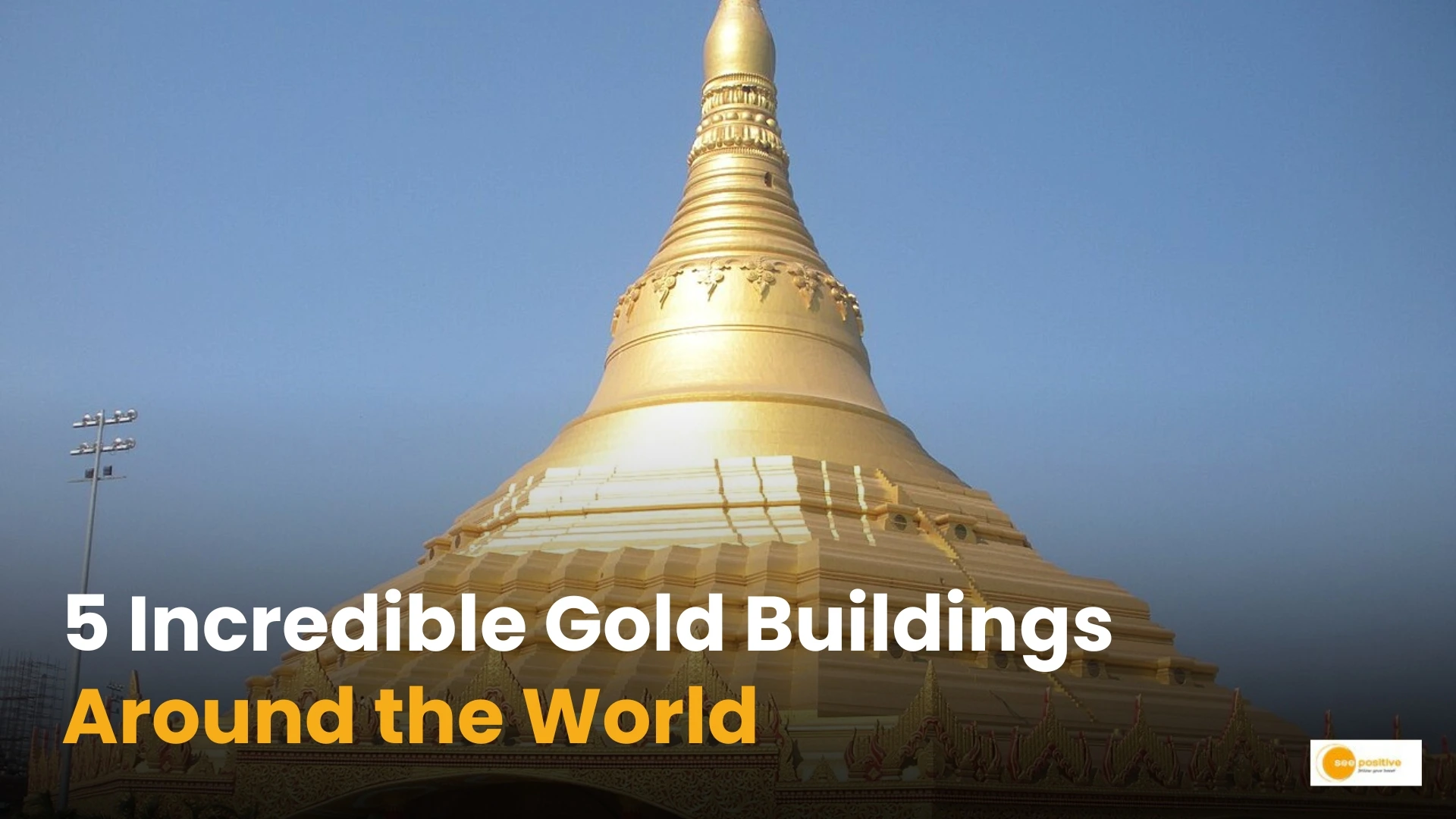
Gold has fascinated civilizations for centuries—not just as wealth, but as a symbol of divinity and perfection. Across the world, There are many Gold Architectural Wonders which make exclusive use of gold. These extraordinary Gold Architectural Wonders use gold in massive quantities, making them both spiritual landmarks and architectural marvels. Here’s a fact-based look at five such iconic sites, including estimated gold usage and what makes each one truly unique.
1. Shwedagon Pagoda (Myanmar)
The Buddhist Gold Architectural Wonder in Myanmar
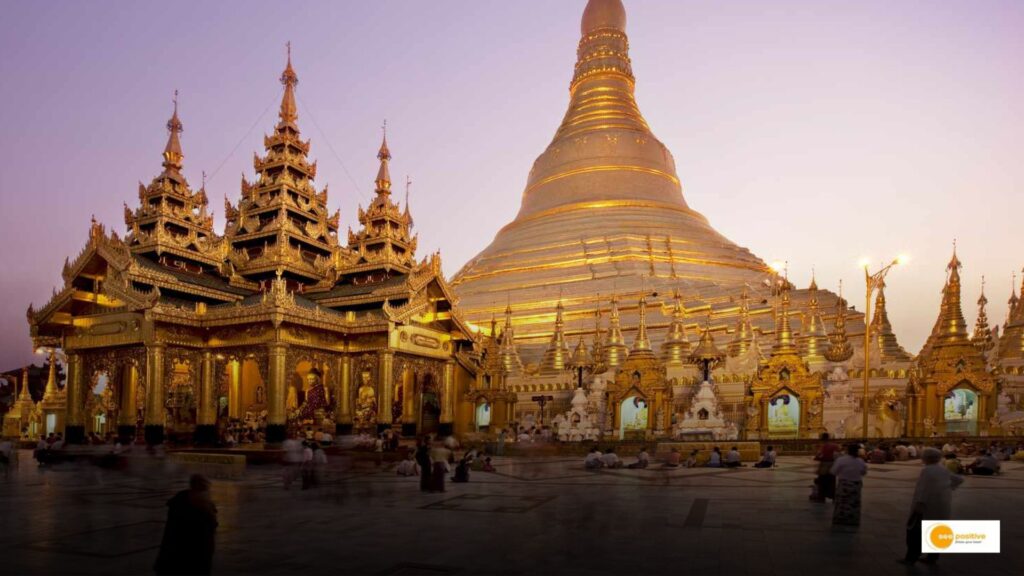
The Shwedagon Pagoda is often considered the most gold-covered structure in the world. It is estimated that over 60,000 kg (60 tons) of gold has been used in plating the stupa over centuries, donated by devotees.
What makes it unique:
It is believed to house relics of four Buddhas, and its crown (hti) is decorated with thousands of diamonds and gemstones, including a large diamond at the top. Continuous gold donations make it a living monument of faith.
2. Kinkaku-ji (Japan)
The Gold Architectural Wonder also called the Golden Pavilion
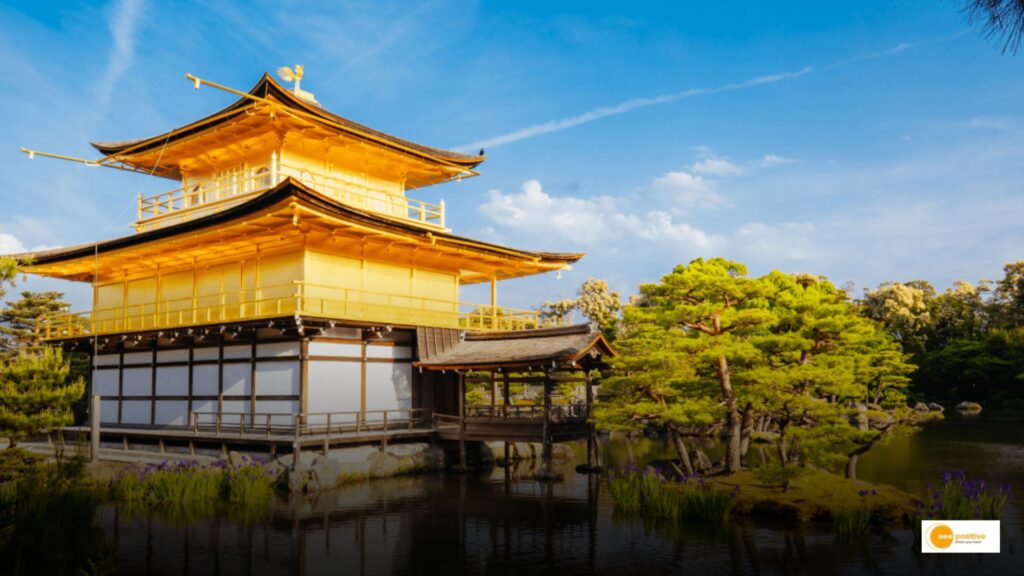
This Zen temple is covered in delicate gold leaf, estimated to total around 20–25 kg of gold after restoration layers.
What makes it unique:
Unlike massive gold plating, Kinkaku-ji uses ultra-thin gold leaf to create a refined aesthetic. Its reflection in the Mirror Pond creates a near-perfect visual symmetry, blending architecture with nature.
3. Harmandir Sahib (Golden Temple)
The Gold Architectural Wonder of Amritsar, Punjab
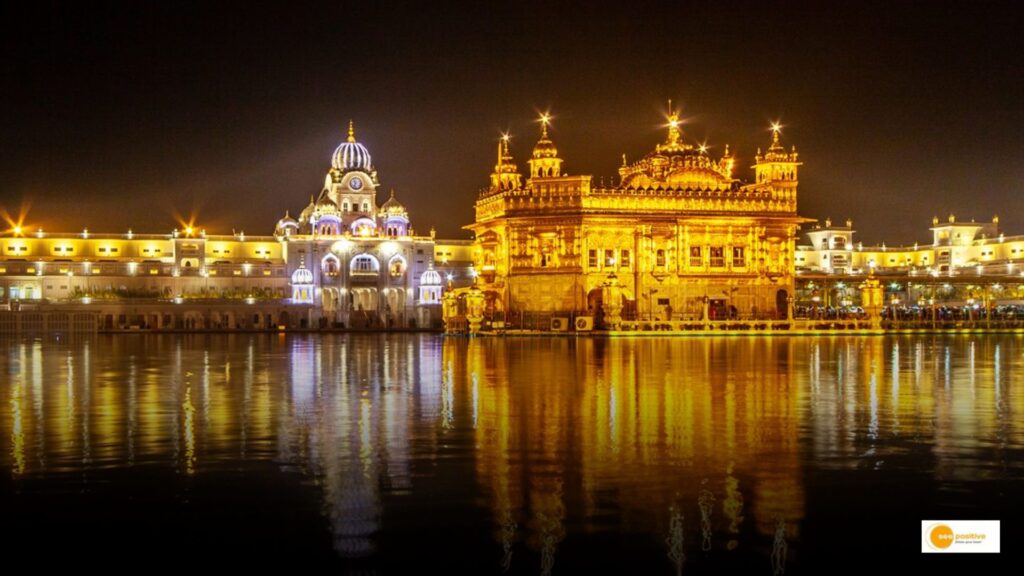
The Golden Temple features approximately 750 kg of gold plating, added during the early 19th century and later restored.
What makes it unique:
It is not just visually stunning but also socially significant—open to all religions, it runs the world’s largest free community kitchen (Langar), serving thousands daily, symbolizing equality and service.
4. Ruwanwelisaya Stupa (Sri Lanka)
The oldest and largest Gold Architectural Wonder
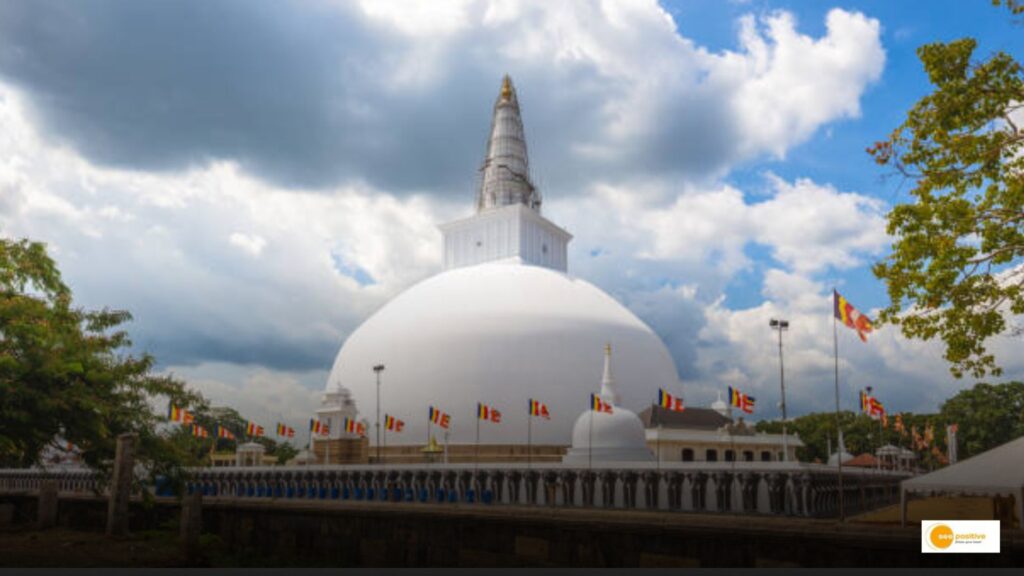
While not entirely gold-covered, ceremonial restorations and decorations include gold elements and gilded features, though exact total gold weight is not consistently documented.
What makes it unique:
Dating back to the 2nd century BCE, it is one of the oldest and largest stupas in the world, believed to enshrine sacred relics of the Buddha, making it a cornerstone of Sri Lankan Buddhist heritage.
5. Sheikh Zayed Grand Mosque (UAE)
The Gold Architectural Wonder of UAE
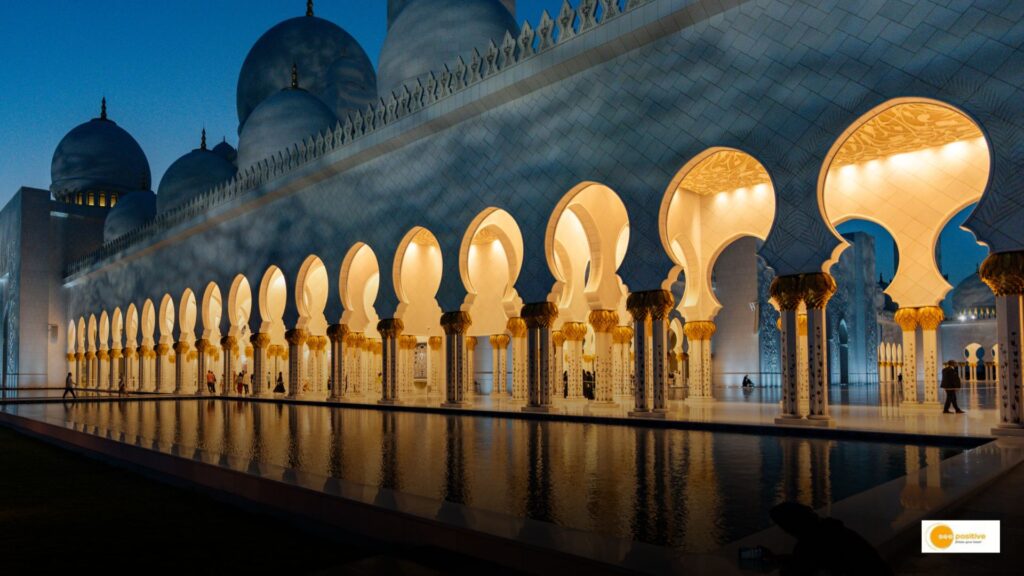
This grand mosque incorporates an estimated several hundred kilograms of gold in its interiors, especially in chandeliers and intricate calligraphy.
What makes it unique:
It blends gold with white marble and crystal to create a modern yet spiritual masterpiece. The mosque houses one of the world’s largest chandeliers and carpets, showcasing luxury combined with devotion.
Positive Takeaway
These golden architectural wonders are not just about visual brilliance—they represent centuries of devotion, craftsmanship, and cultural identity. From tens of thousands of kilograms of gold in Myanmar to delicate gold leaf artistry in Japan, each structure tells a unique story of how gold transcends material value to become a symbol of faith and human creativity.
Also Read: Why a 700-Year-Old Ganesha Idol Sits on an Active Volcano in Indonesia

