

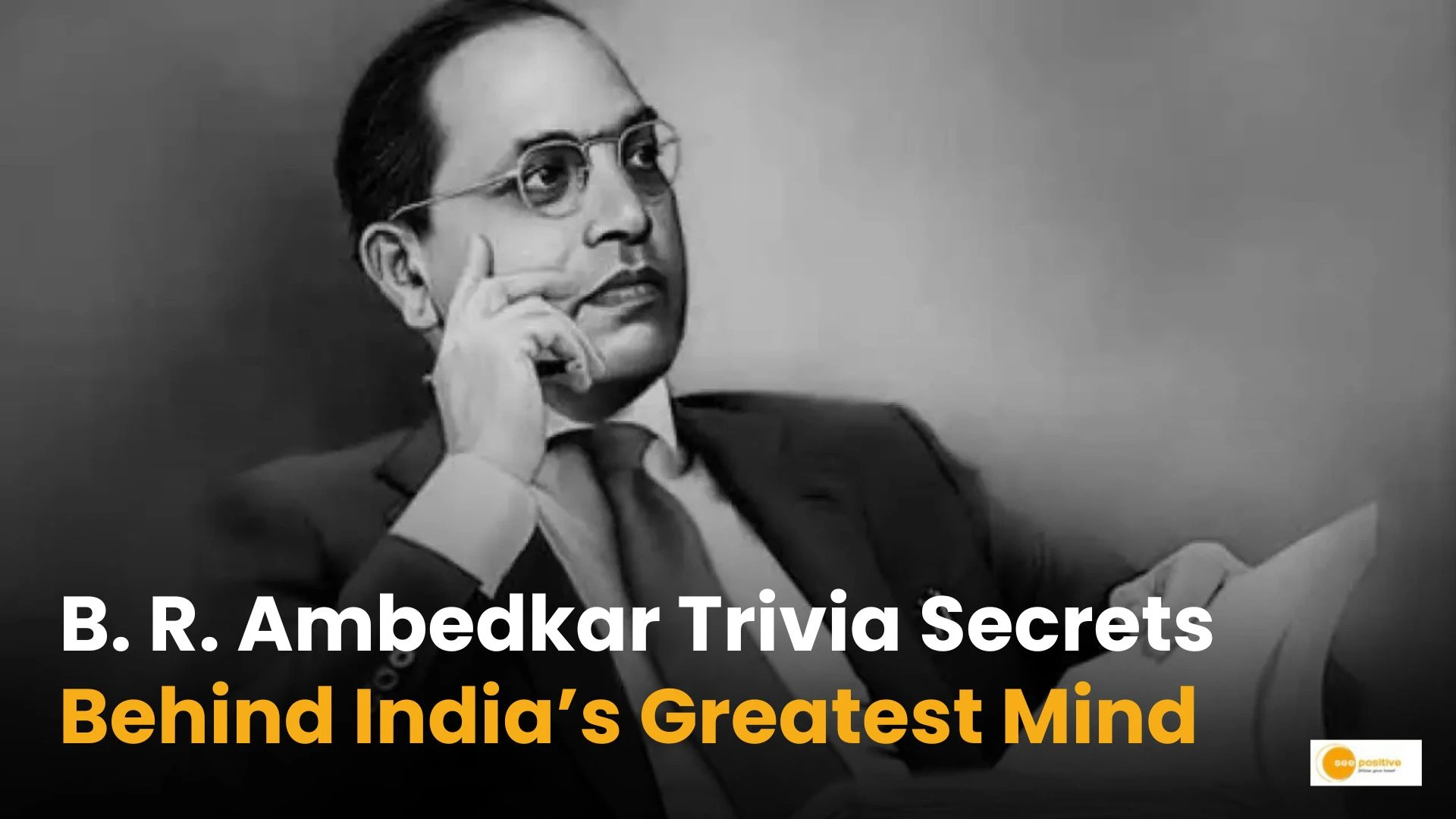
Dr. Bhimrao Ramji Ambedkar (B. R. Ambedkar) remains one of the most influential figures in Indian history. Widely known as the architect of the Indian Constitution, his life is filled with lesser-known facts. Dr. B. R. Ambedkar and his remarkable achievements continue to inspire millions. These lesser-known facts about B. R. Ambedkar highlight the depth of his contributions. And the enduring impact he has had on India and the world.
1. A Scholar with Multiple Doctorates
Dr. Ambedkar was one of the most educated leaders of his time. He earned doctorates from prestigious institutions like Columbia University and London School of Economics. His academic work covered economics, law, political science, and sociology—making him a rare polymath.
2. First Indian to Earn a PhD in Economics Abroad
He was the first Indian to pursue a PhD in Economics from abroad. His thesis, “The Evolution of Provincial Finance in British India,” is still referenced in academic circles today.
3. Architect of the Indian Constitution
Dr. Ambedkar chaired the drafting committee of the Indian Constitution. His vision ensured fundamental rights, equality before law, and protection against discrimination—principles that define modern India.
4. A Champion of Social Justice
Born into a marginalized community, Ambedkar personally experienced discrimination. This fueled his lifelong fight against caste-based inequality and untouchability, making him a pioneer of social reform in India.
5. He Changed His Surname
Originally named Bhimrao Ramji Sakpal, he adopted the surname “Ambedkar” from his teacher, who believed in his potential and supported his education.
6. Advocate for Women’s Rights
Dr. Ambedkar strongly advocated for gender equality. He played a key role in framing the Hindu Code Bill, which aimed to provide women with rights to property and divorce—progressive ideas for that era.
7. A Prolific Writer
He authored several influential books, including “Annihilation of Caste” and “The Buddha and His Dhamma.” His writings continue to shape discussions on social justice and equality.
8. Conversion to Buddhism
In 1956, Dr. Ambedkar embraced Buddhism along with thousands of his followers. He believed Buddhism offered a path to equality, rationality, and human dignity.
9. India’s First Law Minister
After independence, he became the first Law Minister of India. His legal expertise and vision played a crucial role in shaping the nation’s judicial framework.
10. Honored with Bharat Ratna
Dr. Ambedkar was posthumously awarded the Bharat Ratna in 1990, recognizing his immense contribution to the nation.
Why Dr. B. R. Ambedkar Still Matters Today
Dr. Ambedkar’s ideas on equality, education, and justice remain highly relevant in today’s society. His life teaches us the importance of perseverance, knowledge, and standing up against injustice. Whether in law, education, or social reform, his influence continues to guide India’s progress.
Also Read: Richest person in CG: कौन हैं छत्तीसगढ़ के 4 सबसे अमीर पर्सनालिटी!

