

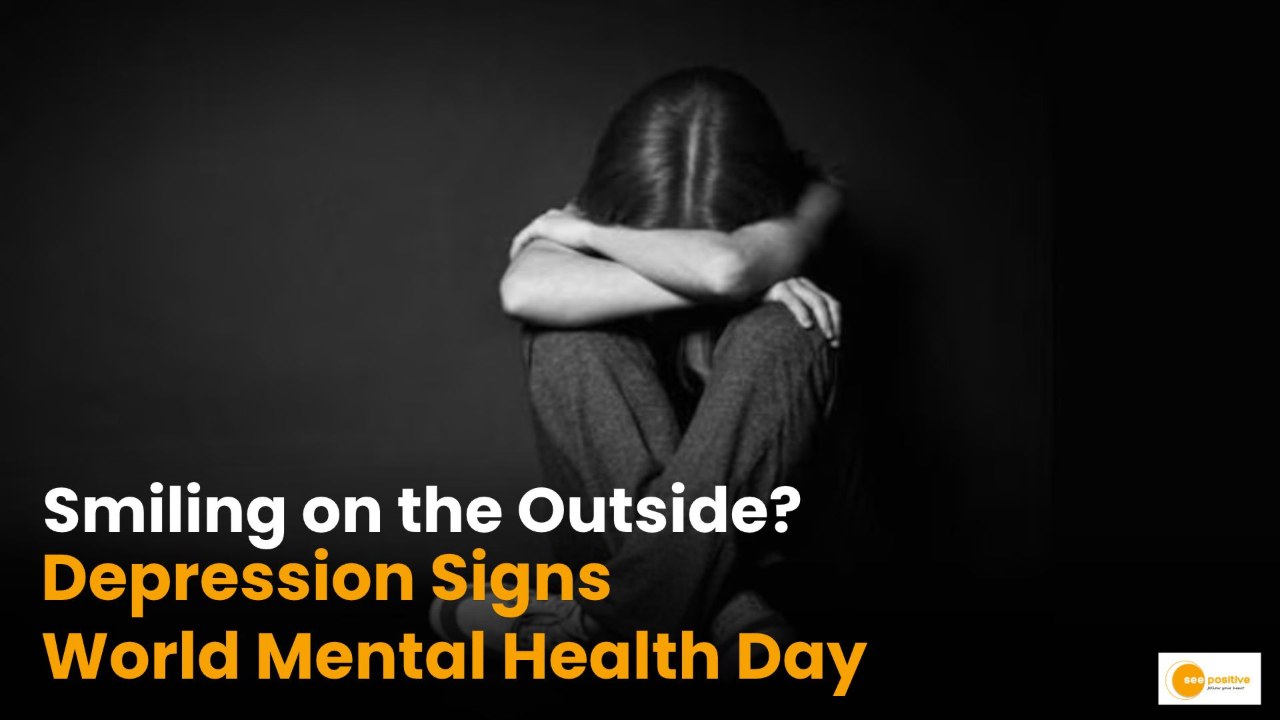
Today, as we observe World Mental Health Day, we must rethink how we view mental wellness. Typically, people imagine depression as someone weeping in a dark room or struggling to leave bed.
However, emotional pain does not always present itself so clearly. Millions of people live with high-functioning or masked depression. Consequently, they show up to work, chat with friends, and smile through their routines while fighting internal exhaustion.
Because their struggle remains invisible, family and friends often miss the warning signs. Therefore, recognizing these subtle World Mental Health Day depression signs can help save lives. Here are 7 overlooked indicators that go far beyond sadness.
1. Chronic Exhaustion (Even After Full Rest)
Physical fatigue is one of the most common signs of hidden emotional burnout.
- You wake up feeling completely drained, even after eight hours of sleep.
- Basic tasks—such as making breakfast, replying to emails, or taking a shower—require immense effort.
Ultimately, this is not just muscle tiredness. Instead, it represents a deep mental depletion caused by internal stress.
2. Unexplained Irritability and Short Tempers
Although people expect sadness with depression, anger is actually a frequent symptom.
- Minor inconveniences, traffic jams, or simple questions suddenly trigger intense frustration.
- When your emotional bandwidth becomes completely drained, your brain struggles to manage basic daily pressure.
As a result, your mind transforms stress into irritability.
3. High-Functioning Masking (“Smiling Depression”)
Individuals battling high-functioning depression often become experts at hiding their struggles.
- On the outside, they appear successful, organized, and cheerful.
- Inside, however, they experience profound emptiness.
They wear a social mask all day long. Consequently, they collapse emotionally the moment they return home.
4. Emotional Numbness (Anhedonia)
Depression does not always feel like grief. In many cases, it feels like nothing at all.
- Favorite hobbies, music, meals, or social gatherings no longer bring joy.
- Psychologists refer to this emotional flatness as anhedonia.
Because of this numbness, individuals feel completely disconnected from their own lives.
5. Persistent Physical Aches and Pains
The mind and body remain deeply connected. Therefore, mental distress frequently manifests as physical discomfort.
- You might experience frequent tension headaches, lower back pain, or digestive trouble.
- Medical exams often show no physical cause.
In reality, these discomforts stem from prolonged emotional tension.
6. Subtle Changes in Sleep and Appetite
Disruptions in daily habits do not always appear dramatic. Instead, they develop gradually:
- Sleep Shifts: You might wake up regularly at 3:00 AM with racing thoughts, or you may oversleep for 11 hours without feeling refreshed.
- Appetite Changes: You might forget to eat entire meals, or you might rely on comfort food to numb distress.
7. Overthinking and Decision Paralysis
When your mental health suffers, cognitive processing slows down significantly.
- Simple everyday choices—such as picking an outfit, cooking dinner, or answering a message—feel overwhelming.
- As a result, the brain gets stuck in a loop of negative overthinking and self-doubt.
Why These World Mental Health Day Depression Signs Matter
Above all, World Mental Health Day reminds us to practice empathy. Mental health struggles do not always announce themselves through tears. Sometimes, they hide behind a productive workday, a polite text message, or a warm smile.
If you or a loved one recognize these symptoms, remember that effective support exists. Check in on your friends, treat yourself with kindness, and never hesitate to consult a professional.
Also Read : https://seepositive.in/health-wellbeing/ways-to-manage-stress-and-feel-in-control/

