

Parenting today comes with a strange irony. We have more information about child development than ever before, yet many parents feel more disconnected from their kids than ever. Between busy schedules, screens and daily pressures, its easy to miss the quiet signals a child sends when something isn’t right.
Here is simple truth: children rarely say, “I’m struggling” in words. Instead, they show it through small changes in behavior. Learning to notice these signs and responding with connection instead of correction can make all the difference.
Talk to Your Child Without a Phone or TV in the Room
One of the simplest yet most powerful parenting tips for emotional bonding is also the hardest to practice consistently: put the screen away.
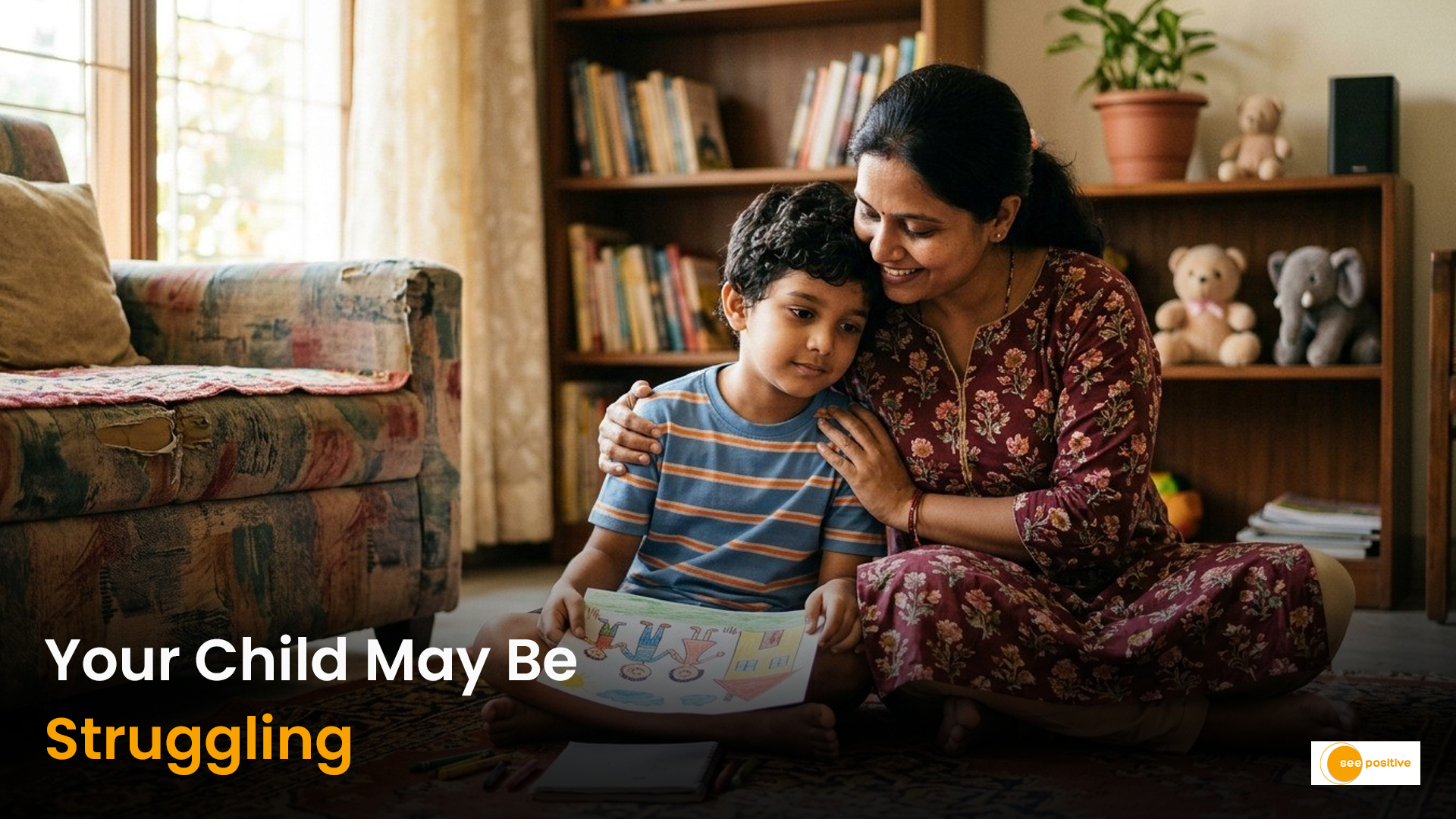
Sit with your child. Play a game with them. Listen closely to their small, everyday stories, even the ones that seem unimportant to you. When a child grows up in a home full of love, trust and unconditional acceptance, they begin to feel genuinely safe. That safety is the foundation of good mental health in children.
Instead of scolding your kids or comparing them to other children, try praising their small wins. Give them room to make mistakes and learn from them. This single shift, from criticism to encouragement is one of the most effective positive parenting strategies for raising emotionally secure kids.
Common Signs of Stress in Children
Recognizing early signs of stress in children helps parents step in before a small worry becomes a bigger problem. Here are some patters worth watching for:
- Withdrawing from others- If your child suddenly pulls away from friends or family and prefers spending long hours alone in their room, take note. Sudden isolation is one of the clearest signs of emotional distress in children.
- Irritability and anger- Getting extremely upset over small things, yelling or throwing objects can be than ‘just a mood’. Frequent outbursts are often a sign that a child is dealing with feelings they do not know to express.
- Changes in eating and sleeping habits- A sudden drop in appetite, overeating, trouble falling asleep or sleeping far more then usual are common physical symptoms of anxiety in kids. The body often reacts before a child can put feelings into words.
- Loss of interest in activities- When a child stops enjoying games, hobbies or activities they once loved, it is worth paying all your attention. This kind of disengagement is one of the more overlooked behavioral changes in children that parents tend to miss.
- Low self-confidence– Constant negative self-talk and comments like, “ I am not good at anything” or “nobody likes me”, can signal that a child’s self esteem needs support and reassurance.
- Excessive fear or anxiety– If your child seems unusually scared without a clear reason or appears tense and on edge most of the time, this could point to underlying anxiety that needs gentle attention.
- Unexplained physical complaints– Frequent stomach aches and headaches with no medical cause found, are a well-known sign of stress in children. Kids often express emotional pain through physical symptoms because it is easier than naming feelings directly.
Why Early Recognition Matters
None of these signs alone means something is seriously wrong. Children have off days, just like adults. But when several signs appear together, or last for weeks rather than days, it is a signal to slow down and pay close attention.
The good news is that the fix often starts small, consistent one-on-one time, real conversations without distractions, and a home environment where a child feels safe to be imperfect and expressive. These simple everyday habits build the kind of emotional resilience in children that protects them well into adulthood.
Is signs of distress feel severe, persistent or start affecting your child’s daily life, it is always worth speaking with a pediatrician or child psychologist. Seeking support early is a sign of good parenting, not a last resort.
At the end of the day, children don’t need perfect parents. They need present ones — ones who notice the small things, listen without judgment, and remind them, again and again, that they are safe, loved, and accepted exactly as they are.
At the end of the day, children don’t need perfect parents. They need present ones, ones who notice the small things, listen without judgment and remind them, again and again, that they are safe, loved and accepted exactly as they are.

