

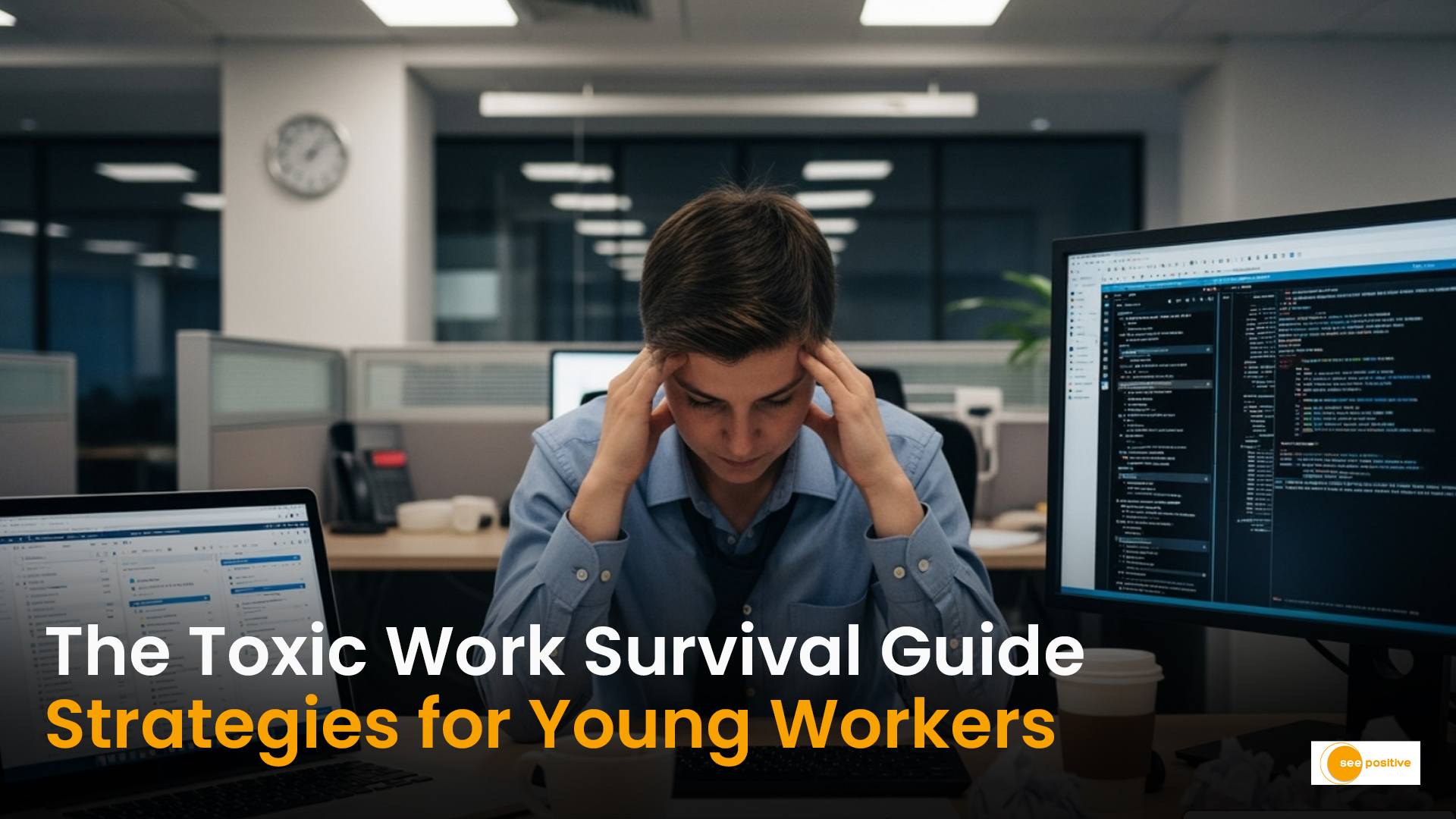
Entering the corporate world comes with high expectations, but encountering an unhealthy work environment, characterized by micromanagement, gaslighting, passive-aggressive behavior, or unreasonable workloads, can derail your confidence.
A toxic workplace can damage your mental health and career growth if you react impulsively. Dealing with it smartly means separating your personal identity from your job, maintaining emotional control, and strategically planning your next move.
Here is a step-by-step, logical framework to navigate a toxic work environment professionally.
1. Detach Emotionally: Practice “Gray Rocking”
Toxic workplace dynamics often thrive on emotional reactions. When a manager or colleague acts out, reacting with anger or defensiveness usually escalates the situation.
- The Strategy: Use the “Gray Rock” technique—become as uninteresting and emotionally unreactive as a gray rock.
- The Action: Respond to hostility, passive-aggressive comments, or unreasonable demands with neutral tone, facts, and brief answers. Keep conversations strictly focused on job tasks rather than personal opinions.
2. Maintain a Bulletproof Paper Trail
In toxic environments, verbal agreements frequently disappear, and blame is easily shifted onto junior employees.
- The Strategy: Shift all critical communications to written records.
- The Action:
- After any verbal instruction or meeting with a difficult colleague/manager, send a quick follow-up email: “Hi [Name], just confirming our conversation earlier today. As discussed, I will complete X task by Y date.”
- Save key praise, project approvals, and instructions in a personal folder or document for future reference during appraisals or disputes.
3. Establish Firm, Professional Boundaries
Young professionals often fall into the trap of overworking to gain approval in toxic settings, leading directly to burnout.
- The Strategy: Set boundaries based on capacity and facts, not emotion.
- The Action: Learn to say “no” professionally. Instead of saying “I am too stressed,” say: “I am currently prioritizing Project A and Project B. If Project C is urgent, which of the first two should I push back?” This forces leadership to take ownership of task prioritization.
4. Build an Internal Support Network (Avoid Office Gossip)
Navigating a difficult workplace alone can feel isolating, but joining office complaints groups can backfire.
- The Strategy: Connect with grounded colleagues without participating in workplace drama.
- The Action: Seek out peer mentors across different teams or departments. Keep your conversations focused on professional growth, skill-building, and objective advice rather than venting about specific people.
5. Focus on Skill Acquisition, Not Company Validation
When a workplace culture is broken, expecting fair recognition or validation from management will lead to frustration.
- The Strategy: View your current role objectively as a stepping stone.
- The Action: Shift your focus internally. Track the measurable skills, tools, and project results you can add to your resume. Treat the job as a place to refine your professional abilities while working toward your next opportunity.
6. Build a Silent Exit Strategy
The ultimate resolution to an unfixable toxic environment is a well-planned departure. Never quit out of impulse without a clear plan.
- The Strategy: Prepare your transition quietly while maintaining high performance.
- The Action:
- Update your resume, LinkedIn profile, and portfolio.
- Start networking outside your current organization.
- Save an emergency fund equal to 3–6 months of essential expenses to give yourself financial flexibility.
Quick Comparison
Emotional vs. Professional Workplace Reactions
| Situation | Reactive/Impulsive Response | Smart/Professional Response |
| Unclear / Shifting Demands | Complaining to coworkers about moving goals | Emailing a written recap asking for priority confirmation |
| Public Criticism / Gaslighting | Getting defensive or arguing in meetings | Staying neutral, addressing facts, and taking the chat offline |
| Unrealistic Workloads | Working late until burnout sets in | Presenting a clear task list and asking management to prioritize |
| Workplace Gossip | Joining in to fit in with peers | Listening politely, keeping quiet, and redirecting to work topics |
A toxic job is a temporary phase in your career, not your final destination. By controlling your reactions, documenting your work, keeping firm boundaries, and building a quiet exit strategy, you protect both your mental health and professional reputation. Stay focused on your long-term career goals—your future self will thank you for taking the high road.

