

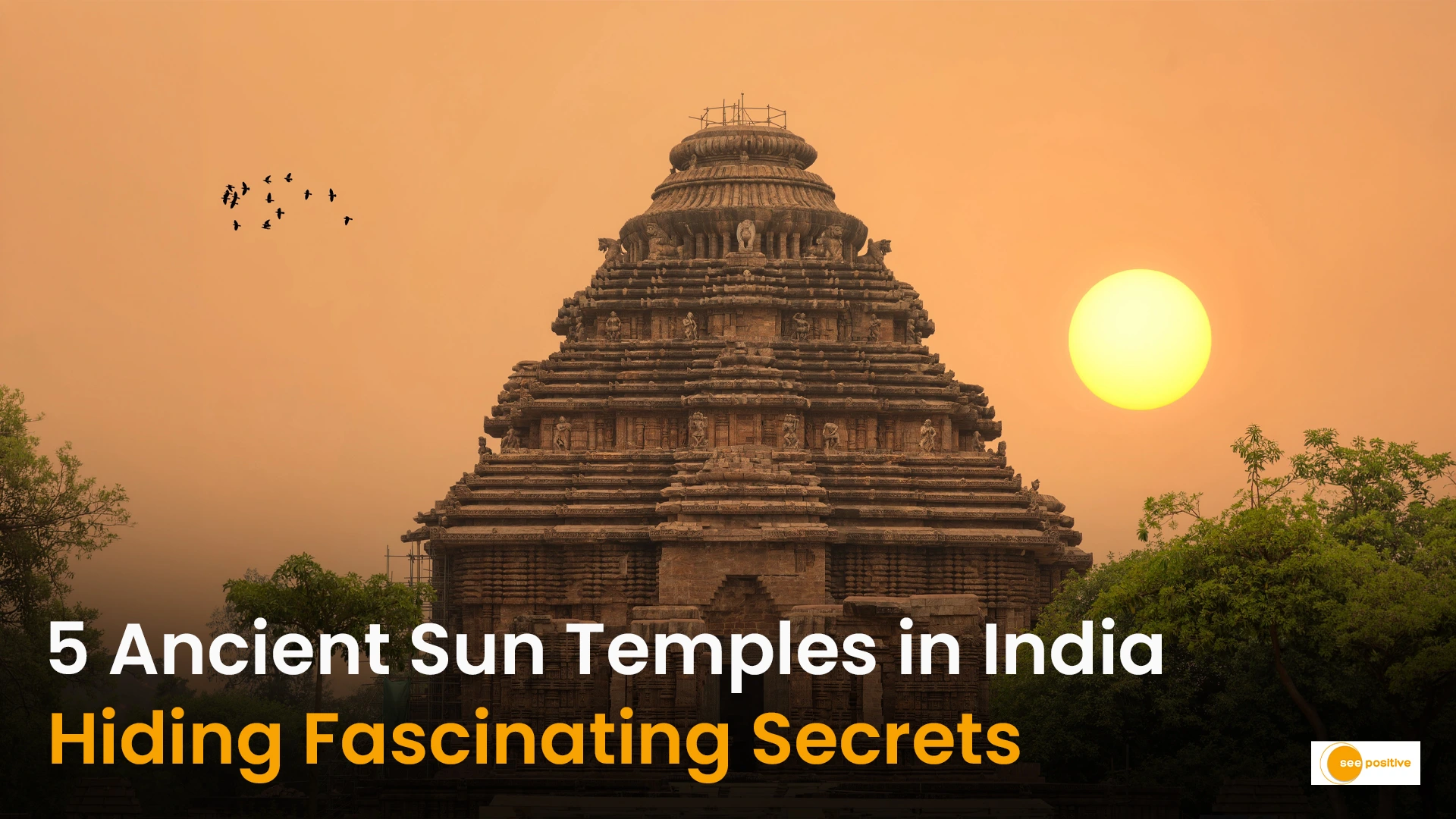
India’s ancient temples are more than places of worship—they are remarkable records of art, architecture, astronomy and engineering. Among them, Sun temples in India stand out for the way they connect spirituality with the movement of the Sun.
From Gujarat to Odisha and Kashmir, these historic temples reveal how Indian architects understood light, geometry and celestial symbolism centuries ago.
Here are 5 ancient Sun temples in India that continue to fascinate visitors and historians.
1. Modhera Sun Temple, Gujarat — Where Architecture Meets the Sun
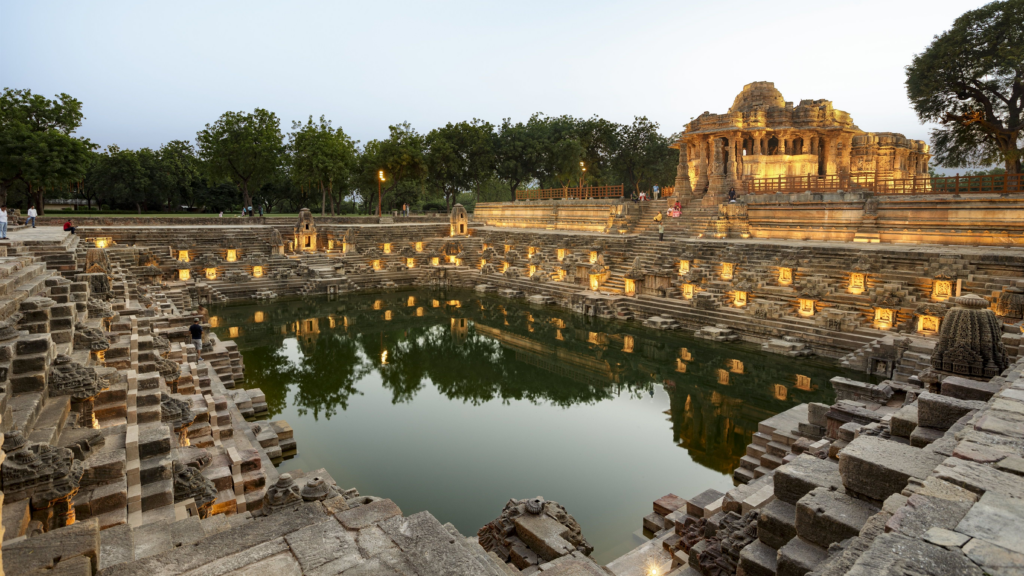
Built in 1026 CE, the Modhera Sun Temple is one of Gujarat’s most spectacular architectural treasures.
The temple was dedicated to Surya, the Sun God, and its design reflects a deep connection with sunlight and celestial movements. During the equinox, sunlight is believed to illuminate the temple’s inner sanctum in a striking alignment.
Its walls are covered with detailed carvings of deities, dancers, musicians and celestial figures, turning the temple into an extraordinary visual record of medieval Indian craftsmanship.
What makes it fascinating?
The combination of solar alignment, geometry and intricate sculpture makes Modhera feel like both a temple and an ancient astronomical statement.
2. Konark Sun Temple, Odisha — A Giant Stone Chariot
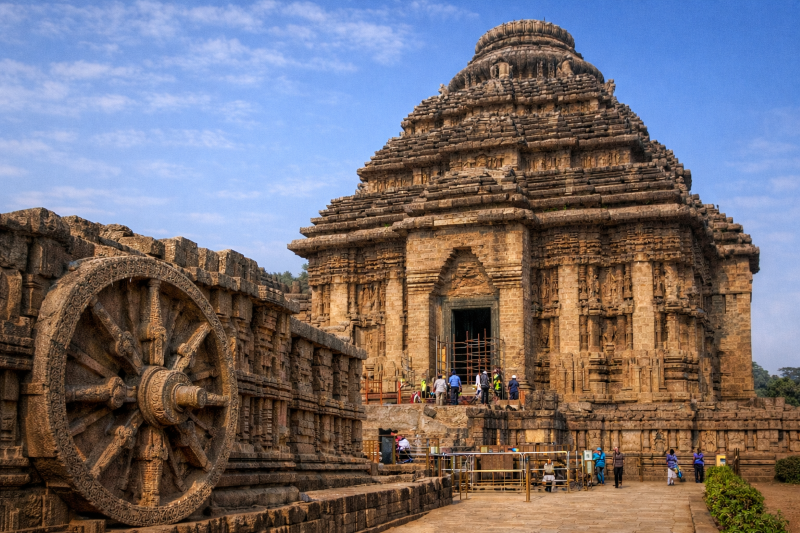
Few monuments in India are as visually striking as the Konark Sun Temple.
Built in the 13th century, the temple was conceived as a colossal chariot of the Sun God. Its most famous feature is the set of 24 elaborately carved stone wheels, accompanied by seven horses representing the Sun’s journey across the sky.
The wheels are filled with intricate designs and symbolic details, while the temple’s sculptures depict gods, musicians, dancers and scenes from everyday life.
Recognised as a UNESCO World Heritage Site, Konark remains one of India’s greatest examples of temple architecture.
The intriguing part?
Its design combines religious symbolism with an extraordinary understanding of time, movement and celestial imagery.
3. Martand Sun Temple, Kashmir — A Forgotten Architectural Giant
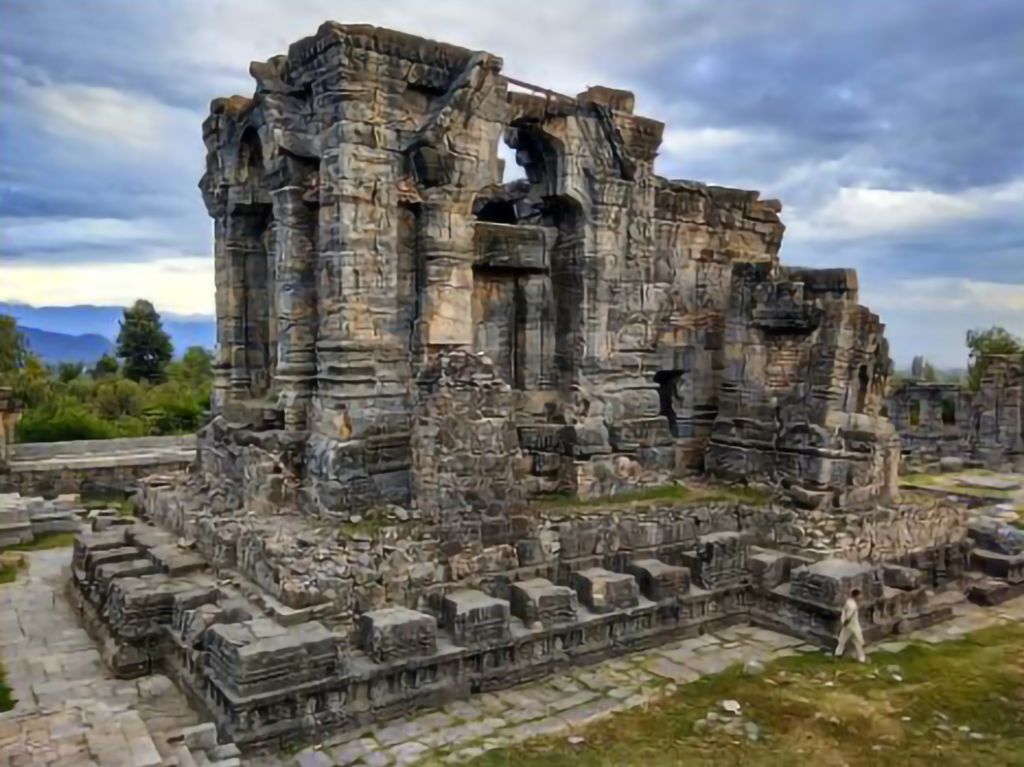
Hidden amid the breathtaking landscape of Kashmir, the Martand Sun Temple dates back to the 8th century.
Although much of the temple now stands in ruins, its surviving pillars, courtyards and stonework offer a glimpse into its former grandeur.
Built on an elevated site, the temple commands panoramic views of the surrounding Kashmir Valley. Its monumental scale and distinctive architecture make it one of the region’s most remarkable ancient sites.
Why is it special?
Even in its ruined state, Martand demonstrates the ambition and architectural sophistication of its builders.
4. Surya Temple, Gaya — A Lesser-Known Solar Shrine
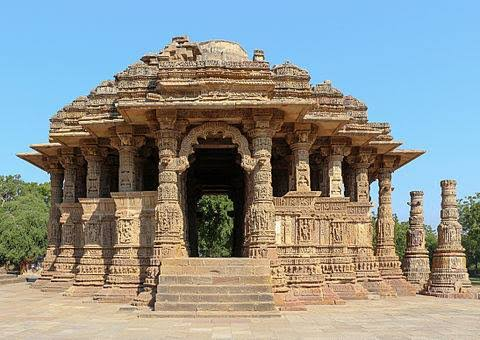
Gaya in Bihar is better known for its spiritual significance, but it is also home to ancient traditions of Sun worship.
The region has long been associated with Surya devotion, particularly during festivals such as Chhath, when devotees offer prayers to the rising and setting Sun.
Its Sun temples and sacred traditions provide an interesting window into the continuing importance of solar worship in eastern India.
A fascinating connection:
Unlike monuments remembered primarily for their architecture, the Sun-worship traditions of Gaya remain closely connected with living religious practices.
5. Suryanar Kovil, Tamil Nadu — The Living Tradition of Sun Worship
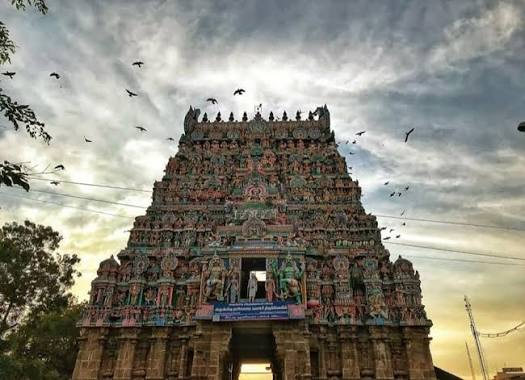
In Tamil Nadu’s Kumbakonam region, Suryanar Kovil is an important temple dedicated to Surya.
Unlike some ancient Sun temples that survive mainly as archaeological monuments, this temple continues to function as an active place of worship.
The temple is also associated with the Navagrahas, the nine celestial bodies traditionally revered in Hindu astrology.
What makes it unique?
It shows that India’s ancient relationship with the Sun is not confined to history—it continues as a living spiritual tradition.
Why Were Sun Temples So Important?
The Sun has held a special place in Indian culture for thousands of years. Known as Surya, the Sun was associated with light, energy, health and life itself.
Sun temples therefore became spaces where religion, astronomy, architecture and symbolism came together.
Their orientation, sculptures and layouts often reflect the importance of celestial cycles and the changing position of the Sun.
Ancient Architecture With Modern Lessons
What makes these temples truly fascinating is not simply their age. It is the thought behind their design.
The builders worked with stone, geometry, light and landscape to create monuments that were both spiritually meaningful and architecturally extraordinary.
From the equinox alignment of Modhera to the monumental chariot design of Konark and the dramatic ruins of Martand, each temple tells a different story.
Final Takeaway
India’s ancient Sun temples are reminders that the past was far more sophisticated than we often imagine. Their carvings, astronomical symbolism and architectural planning continue to raise questions—and inspire curiosity.
If you love Indian history, ancient architecture, mythology and unexplained historical mysteries, these Sun temples deserve a place on your travel and heritage list.

