

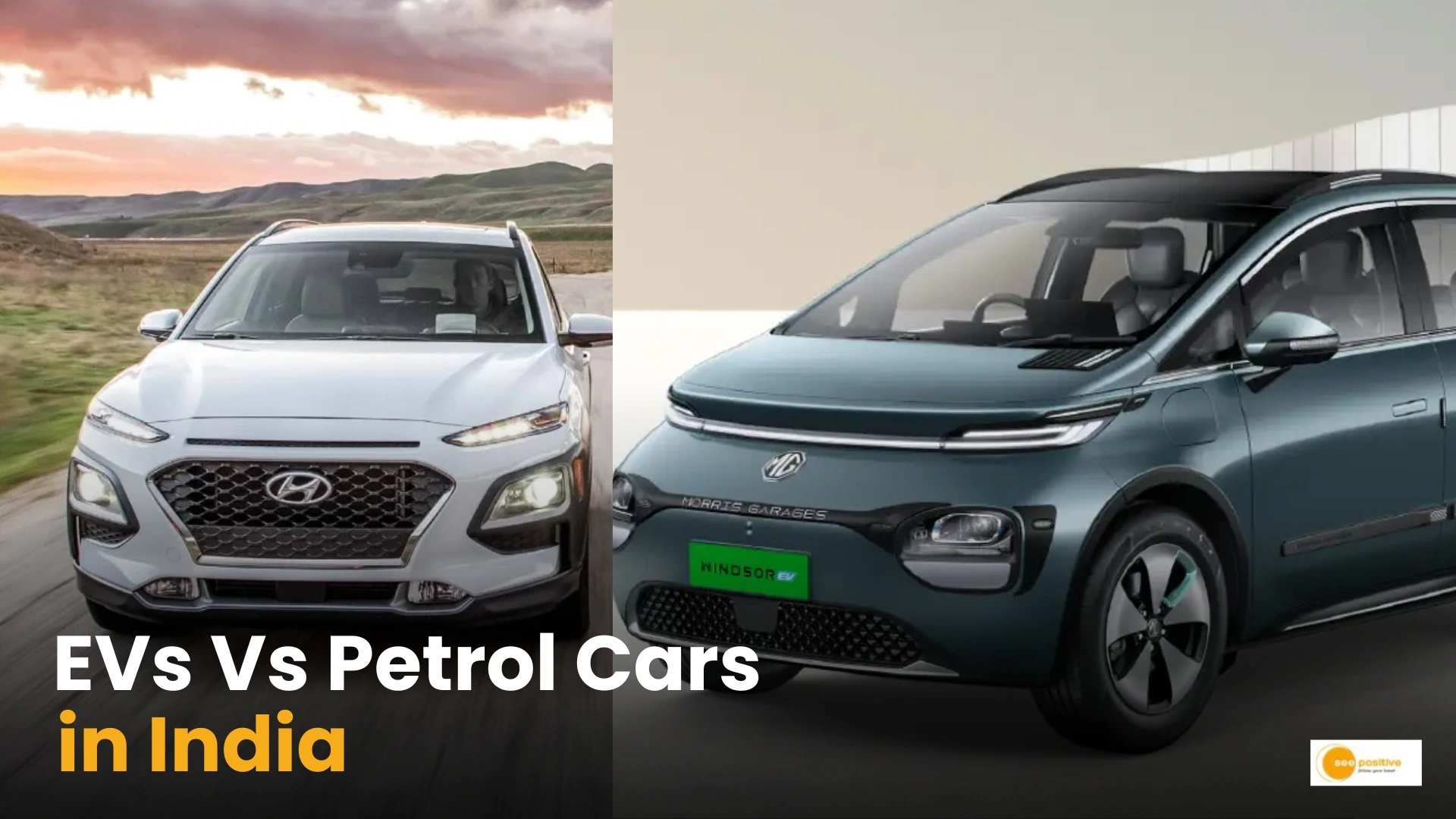
With petrol prices continuing to rise in India, electric vehicles are emerging as a cost-effective and cleaner alternative for urban commuters. However, concerns around charging infrastructure, battery costs, and long-distance practicality show that India’s EV transition still comes with important challenges.
On a humid Monday morning in Delhi, cab driver Rakesh Kumar stares silently at the fuel station meter climbing past ₹3,000. “Every week,” he says, “petrol eats a bigger part of my earnings.”
His frustration is not unique.
Across India, rising fuel prices are quietly reshaping household budgets, travel choices, and even aspirations. For middle-class families, daily commuting has become expensive. For gig workers and delivery riders, fuel is no longer a manageable operational cost — it is a financial burden.
And somewhere amid this growing anxiety, electric vehicles (EVs) have entered the national conversation not just as futuristic machines, but as possible economic relief.
From the streets of Bengaluru to smaller towns in Madhya Pradesh and Uttar Pradesh, EVs are no longer rare sightings. Tata’s electric hatchbacks, Ola scooters, Ather bikes, and MG’s electric SUVs are becoming symbols of a changing India.
But beneath the glossy advertisements and government incentives lies a more complicated question:
Are EVs genuinely the future, or are we romanticising a transition India is not fully ready for?
Why EVs Are Suddenly Everywhere
The answer begins with one word: petrol.
India imports nearly 85% of its crude oil requirements. Every global conflict, shipping disruption, or OPEC decision directly impacts Indian consumers. A rise in fuel prices affects not just transportation, but food inflation, logistics, and household expenses.
For urban commuters travelling 40–60 km daily, switching to an EV can reduce monthly fuel costs dramatically.
A petrol hatchback may cost ₹7,000–₹10,000 per month in fuel for regular city use. An electric car doing similar distances could operate at nearly one-fourth the running cost, depending on electricity tariffs.
That difference is changing buyer psychology.
Today, consumers are not buying EVs only for the environment. They are buying them to survive expensive mobility.
The Biggest Advantages of EV Vehicles
1. Lower Running Costs
This remains the strongest argument for EV adoption.
Charging an EV at home is significantly cheaper than refuelling a petrol car. For families with predictable city commutes, the savings become visible within months.
Delivery fleets, ride-sharing drivers, and urban commuters are among the biggest beneficiaries.
In many cases, EV owners report savings substantial enough to offset higher EMIs.
2. Reduced Dependence on Petrol
India’s dependence on imported fuel is economically risky.
Every EV on the road slightly reduces pressure on oil imports. On a larger scale, EV adoption can improve energy security and reduce vulnerability to global fuel crises.
This is one reason the Indian government is aggressively promoting EV manufacturing and battery localisation.
3. Cleaner Urban Air
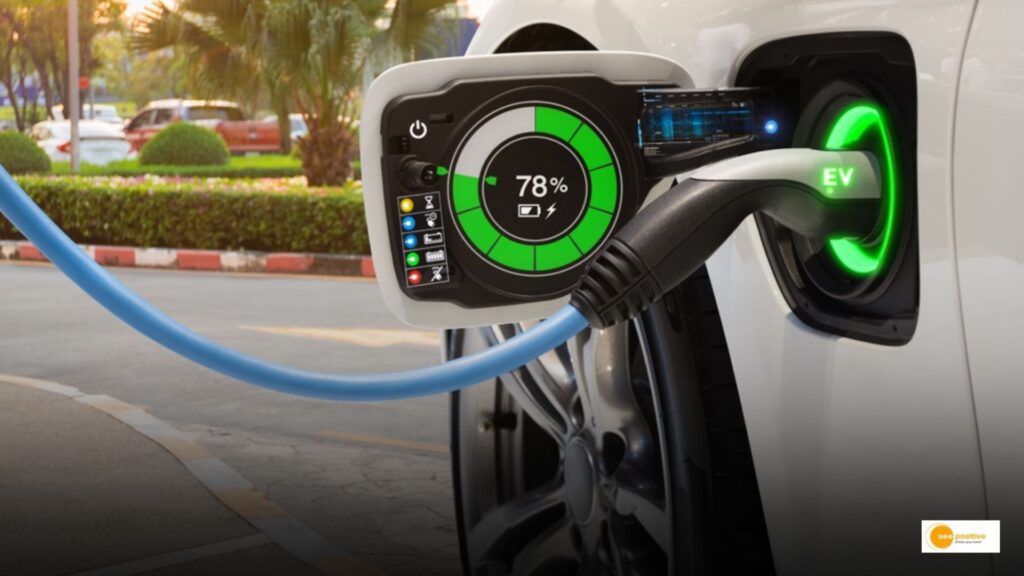
Anyone who has stood in Bengaluru traffic or walked through Delhi during winter understands the urgency of cleaner transportation.
Petrol and diesel vehicles contribute heavily to urban air pollution. EVs produce zero tailpipe emissions, helping reduce particulate pollution in crowded cities.
While EVs are not entirely pollution-free — battery production still has environmental costs — they significantly improve local air quality.
And for children growing up in polluted metros, that matters.
4. Smoother Driving Experience
EVs offer silent cabins, instant acceleration, and smoother city driving.
There are no gear shifts, less vibration, and fewer moving mechanical parts. Many first-time EV users describe the experience as surprisingly premium.
Even affordable EVs now come with connected tech, regenerative braking, touchscreen systems, and advanced features previously limited to luxury segments.
5. Lower Maintenance
No engine oil. Fewer moving parts. Reduced wear and tear.
EVs generally require less maintenance than internal combustion engine vehicles.
For long-term ownership, this can become a major financial advantage.
But EVs Are Not Perfect — And India Knows It
Despite rapid adoption, EV ownership still comes with serious concerns.
And ignoring them would be dishonest.
1. Charging Infrastructure Is Still Incomplete
India’s charging ecosystem is growing — but unevenly.
Metro cities are improving rapidly, yet smaller towns and highways continue to face infrastructure gaps.
For many Indians living in apartments without dedicated parking, charging remains inconvenient.
Range anxiety is real.
Unlike petrol pumps available every few kilometres, fast chargers are still limited in many regions.
Until charging becomes as accessible as refuelling, mass adoption will remain gradual.
2. EVs Are Still Expensive
Even with subsidies, EVs often cost more initially than comparable petrol vehicles.
While running costs are lower, the higher purchase price can discourage middle-income buyers.
This becomes especially important in India, where affordability drives automobile decisions.
Consumers often prioritise immediate affordability over long-term savings.
3. Battery Replacement Costs Are a Concern
The battery is the heart of an EV — and also its most expensive component.
Although manufacturers offer warranties, long-term replacement costs remain a psychological barrier for buyers.
Questions around battery degradation, resale value, and lifespan still influence purchasing decisions.
4. India’s Electricity Is Not Entirely Green Yet
One uncomfortable truth often gets ignored:
If electricity comes from coal-powered grids, EVs are not completely “clean.”
India still relies heavily on thermal power generation.
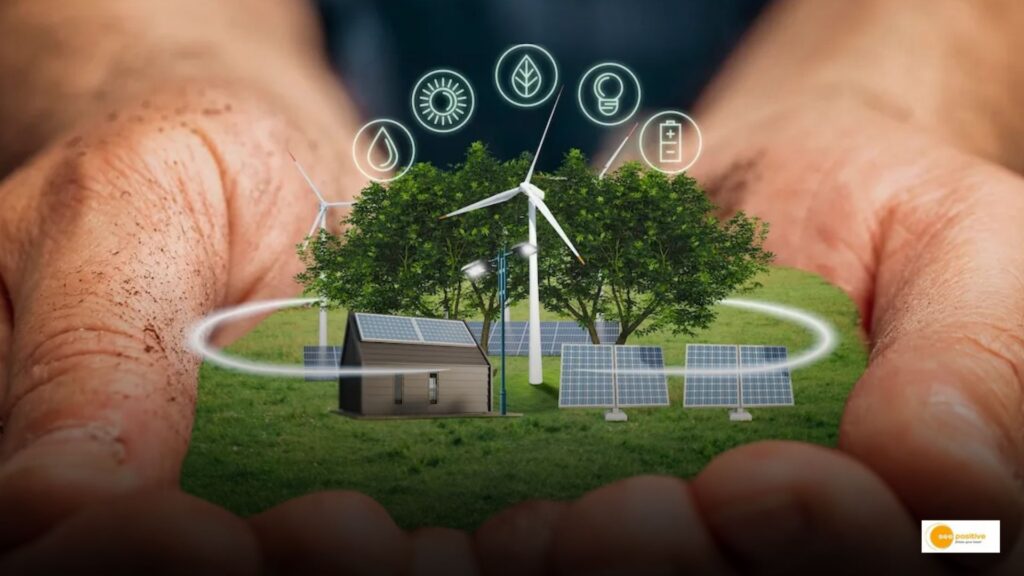
So while EVs reduce urban pollution, the broader environmental impact depends on how electricity itself is generated.
The real sustainability revolution requires renewable energy growth alongside EV adoption.
5. Long-Distance Travel Is Still Easier in Petrol Cars
For highway journeys, remote routes, or unpredictable travel plans, petrol cars remain more practical.
Refuelling takes minutes.
Charging takes time.
Until ultra-fast charging networks become mainstream, petrol vehicles will continue dominating long-distance convenience.
The Real Future May Not Be “EV vs Petrol”
The truth is more nuanced.
India is currently in a transition phase.
EVs make enormous sense for:
- Urban commuting
- Daily office travel
- Fleet operations
- Ride-sharing
- City logistics
But petrol and hybrid vehicles still hold advantages for:
- Rural India
- Long-distance travellers
- Areas with weak charging infrastructure
The future may not be a complete replacement overnight.
Instead, India could witness a hybrid mobility ecosystem where EVs dominate cities while conventional vehicles continue serving infrastructure-poor regions.
So, Should Indians Buy EVs Today?
The answer depends on one important question:
How do you use your vehicle?
If your driving is mostly city-based with predictable daily travel, an EV can significantly reduce costs and offer a modern driving experience.
But if you frequently travel long distances or lack charging access, petrol cars may still be the safer choice.
The EV revolution is real.
But it is still evolving.
You may also like: India’s Nuclear Breakthrough Explained: What “Criticality” Means & Why Kalpakkam Changes Clean Energy Forever

