

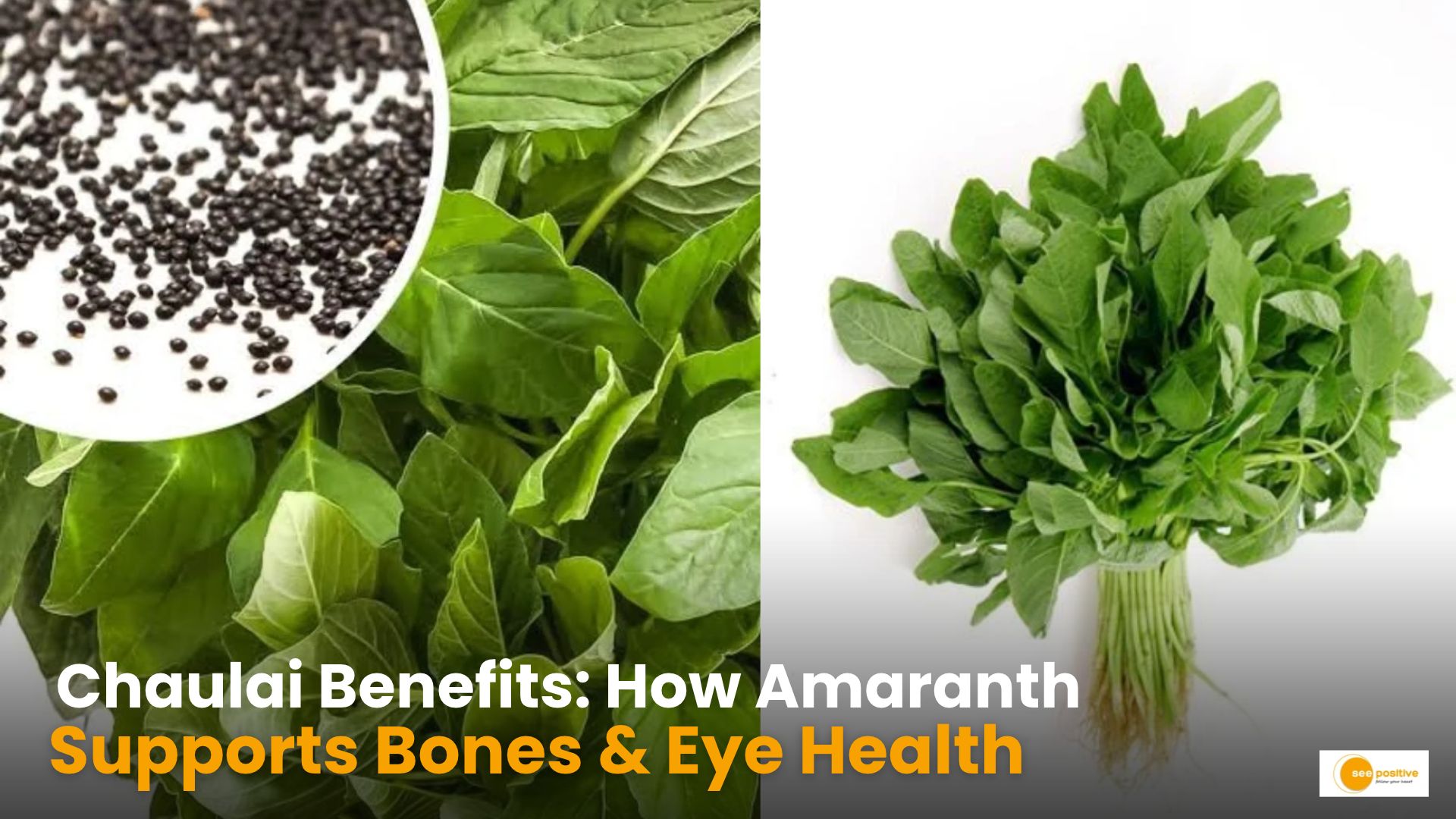
Chaulai, also known as amaranth, rajgira or ramdana, is a traditional Indian food packed with essential nutrients. From supporting bone health to maintaining good eyesight, this humble green deserves a place in your everyday diet. Here’s what makes it nutritious and what science says about its health benefits.
Chaulai is a familiar ingredient in many Indian households. While some people enjoy its leafy greens as a vegetable, others consume its tiny seeds in the form of rajgira flour, laddoos and fasting snacks.
Recently, Acharya Balkrishna highlighted the nutritional value of chaulai, drawing attention to its calcium, protein and vitamins. His recommendation has also sparked interest in the potential health benefits of this traditional food.
But what makes chaulai special? Let’s understand its nutritional value and possible health benefits.
1. What Is Chaulai (Amaranth)?
Chaulai belongs to the Amaranthus family of plants. It is widely consumed in India and several other parts of the world.
It is commonly known by different names:
- Chaulai
- Rajgira
- Ramdana
- Amaranth
Interestingly, the plant offers two different edible foods: its leaves and its seeds.
- Chaulai leaves: Cooked as a leafy green vegetable, much like spinach.
- Amaranth seeds: Used to prepare flour, porridge, laddoos, chikki and other snacks.
Both forms contain valuable nutrients, although their nutritional profiles are different.
2. May Support Stronger Bones
One of the major nutritional highlights of chaulai is its calcium content.
Calcium is an essential mineral that helps build and maintain strong bones and teeth. It also plays a role in muscle contraction and nerve function.
Amaranth leaves are a source of calcium, making them a useful addition to a balanced diet.
They also contain magnesium and vitamin K, which contribute to normal bone health.
However, the calcium present in plant foods is not always fully absorbed by the body. Amaranth leaves contain oxalates, which can reduce calcium availability.
Cooking the leaves, particularly boiling them and discarding the cooking water, can help reduce water-soluble oxalates.
3. Contains Vitamin A Precursors for Healthy Eyes
Chaulai leaves contain beta-carotene, a plant pigment that the body can convert into vitamin A.
Vitamin A is essential for maintaining normal vision. It helps keep the surface of the eye healthy and supports vision in low-light conditions.
A deficiency of vitamin A can lead to night blindness and other eye-related problems.
Including beta-carotene-rich vegetables such as chaulai in a balanced diet can help support normal eye health.
However, eating chaulai does not guarantee sharper eyesight or eliminate the need for spectacles.
4. Provides Plant-Based Protein
Amaranth seeds are a good source of plant-based protein.
Protein is essential for:
- Muscle growth and repair.
- Maintaining body tissues.
- Supporting normal body functions.
- Helping the body recover after physical activity.
Amaranth also contains lysine, an essential amino acid that is relatively limited in many common cereal grains.
This makes rajgira a useful option for people looking to add variety to their plant-based protein sources.
5. Contains Vitamin C for Immune Support
Chaulai leaves also provide vitamin C, an important nutrient for overall health.
Vitamin C helps support normal immune function and protects cells from oxidative damage.
It also plays an important role in collagen production, which helps maintain healthy skin, blood vessels and connective tissues.
Another benefit is that vitamin C improves the absorption of non-haem iron from plant-based foods.
Adding chaulai to meals containing lentils and other plant foods can therefore contribute to a nutrient-rich diet.
6. Offers Dietary Fibre for Digestive Health
Amaranth leaves and seeds contain dietary fibre.
Fibre helps support regular bowel movements and contributes to digestive health.
It can also help you feel full for longer, making fibre-rich foods useful as part of a balanced eating pattern.
Adding cooked chaulai leaves to everyday meals is a simple way to increase vegetable intake.
Amaranth seeds can also be consumed as porridge or added to homemade snacks.
7. Contains Antioxidants and Plant Compounds
Amaranth contains several naturally occurring plant compounds, including phenolic compounds and carotenoids.
These compounds have antioxidant properties and help protect cells against oxidative stress in laboratory studies.
The leaves also contain beta-carotene and other beneficial pigments.
However, more human research is needed to establish whether eating amaranth can prevent specific diseases.
8. Provides Important Minerals
Apart from calcium, chaulai offers other essential minerals.
Some of these include:
- Iron: Helps the body produce haemoglobin, which carries oxygen in the blood.
- Magnesium: Supports muscle and nerve function.
- Potassium: Helps regulate fluid balance and supports normal muscle function.
- Phosphorus: Works with calcium to maintain healthy bones and teeth.
The exact nutritional content depends on the amaranth variety and whether you consume its leaves or seeds.
9. May Be a Useful Addition to a Plant-Based Diet
People following vegetarian or plant-based diets often look for different sources of protein, minerals and vitamins.
Amaranth offers a combination of plant protein, fibre and essential nutrients.
Its seeds can be used as an alternative to conventional cereal grains, while its leaves add variety to vegetable-based meals.
It is also naturally gluten-free, making it an option for people who need to avoid gluten, provided there is no cross-contamination during processing.
How to Include Chaulai in Your Daily Diet
Easy ways to enjoy this traditional Indian food

1. Prepare Chaulai Saag
Cook fresh chaulai leaves with garlic, cumin and mild spices.

2. Make Rajgira Rotis
Use amaranth flour to prepare nutritious homemade rotis.

3. Try Rajgira Laddoos
Combine puffed amaranth seeds with jaggery for a traditional snack.

4. Add It to Dal
Mix cooked chaulai leaves into dal for an extra serving of greens.

5. Make Amaranth Porridge
Cook amaranth seeds with milk or water for a filling breakfast.
Who Should Be Careful While Eating Chaulai?
Although chaulai is nutritious, a few precautions are worth considering.
- People prone to kidney stones: Amaranth leaves contain oxalates. Those with calcium oxalate kidney stones should discuss suitable portions with their healthcare provider.
- People with kidney disease: Their potassium and mineral intake may need individual monitoring.
- People with digestive sensitivity: Increase fibre intake gradually to avoid bloating or discomfort.
- Cooking matters: Wash the leaves thoroughly and cook them properly. Boiling and draining can reduce water-soluble oxalates.

