

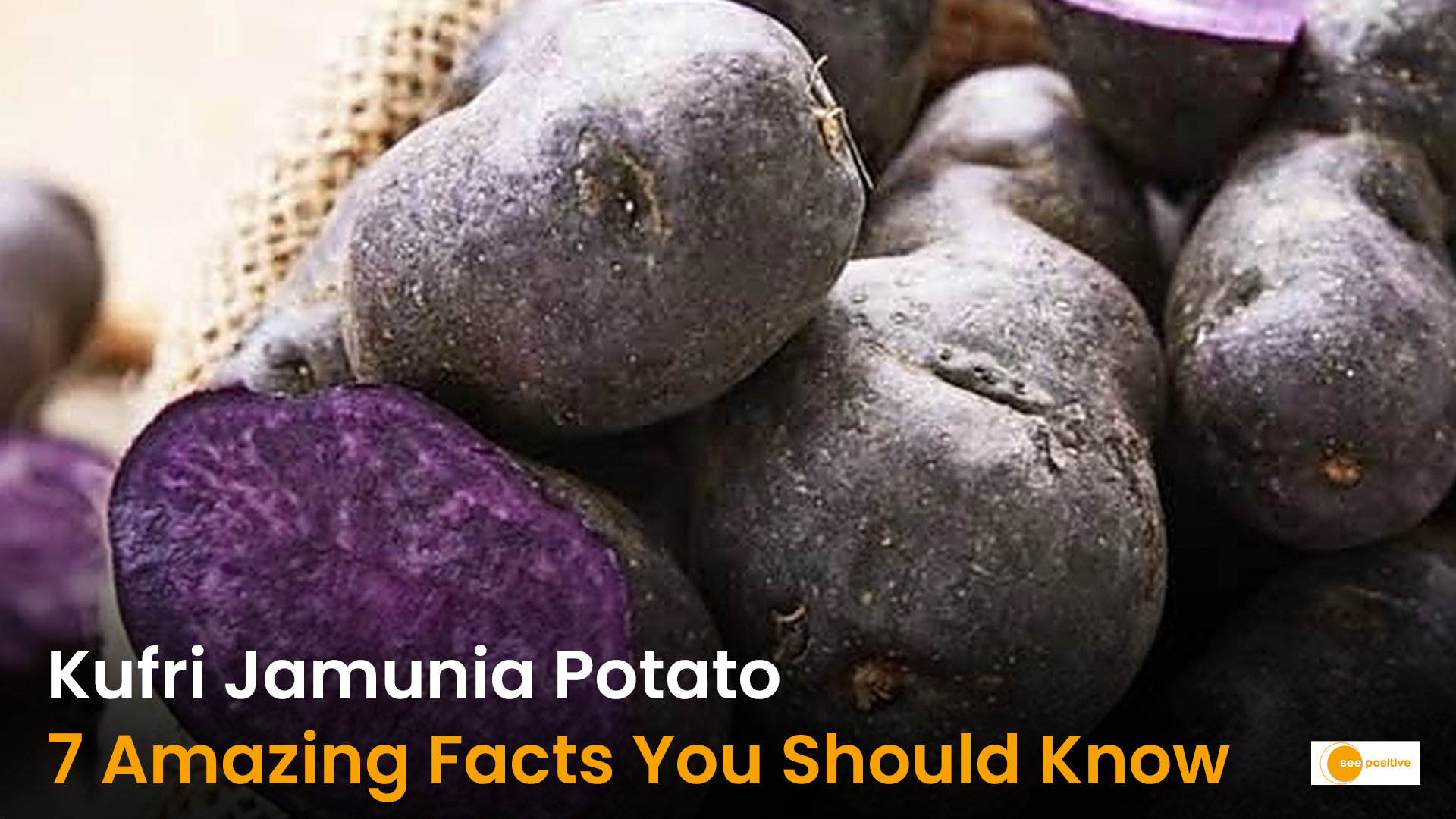
Kufri Jamunia is a distinctive potato variety developed in India that stands out for its purple skin and purple flesh. Developed through agricultural research, this variety has attracted attention because of its natural pigmentation, reported nutritional characteristics and potential applications in farming and food processing.
Unlike conventional potatoes with white, cream or yellow flesh, Kufri Jamunia has a striking purple colour associated with naturally occurring plant pigments called anthocyanins. Its distinctive appearance makes it an interesting subject for agricultural research, nutrition awareness and the development of speciality food products.
In this article, we explore what Kufri Jamunia is, why it is purple, its nutritional profile, potential benefits, cultivation prospects and possible uses in everyday cooking.
What Is Kufri Jamunia?
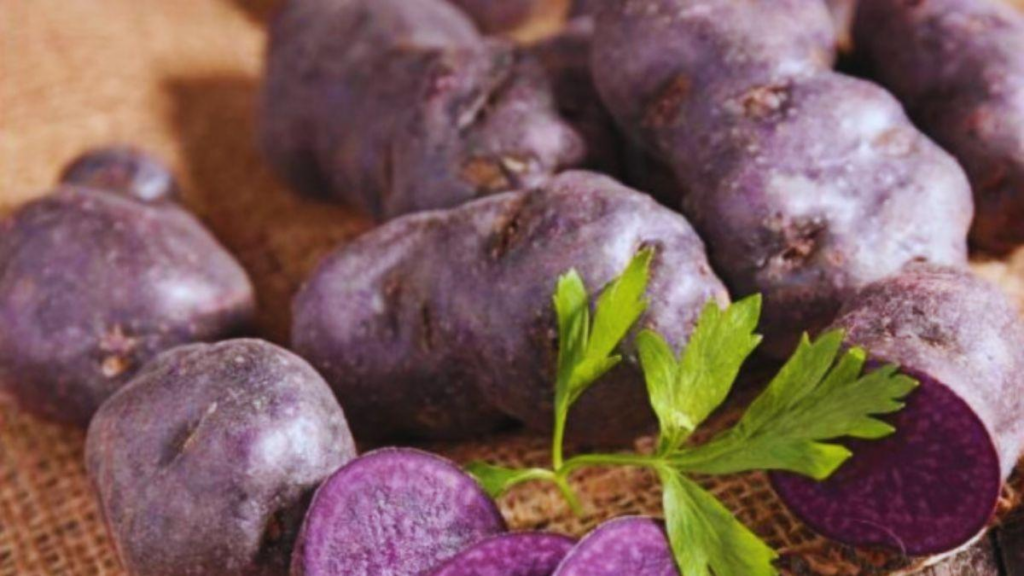
Kufri Jamunia is a purple-fleshed potato variety developed by the ICAR–Central Potato Research Institute (ICAR-CPRI), a leading Indian institution dedicated to potato research and crop improvement.
The variety is notable for its purple skin and purple flesh, which distinguish it from many commonly cultivated potato varieties. Its development reflects efforts to introduce potato varieties with distinctive characteristics that may offer value in agriculture, food use and crop diversification.
The name Kufri is associated with numerous potato varieties developed through India’s potato breeding programmes. The name Jamunia evokes the deep purple colour of the jamun fruit.
Kufri Jamunia is particularly interesting because the pigmentation extends into the flesh rather than being limited to the outer skin.
Why Is Kufri Jamunia Purple?
The purple colour of Kufri Jamunia is associated with anthocyanins, naturally occurring pigments found in various fruits, vegetables and other plant tissues.
Anthocyanins contribute to the red, purple and blue colours of foods such as blueberries, blackberries and certain varieties of potatoes. Researchers study these compounds because of their antioxidant activity and potential relevance to human nutrition.
The presence of natural pigments makes purple-fleshed potatoes different from many conventional varieties. However, colour alone does not establish the overall nutritional superiority of one potato over another.
The concentration of anthocyanins can vary with the variety, growing conditions, storage and cooking method. More research is needed to determine the specific effects of different preparation methods on the compounds present in Kufri Jamunia.
Nutritional Value of Kufri Jamunia
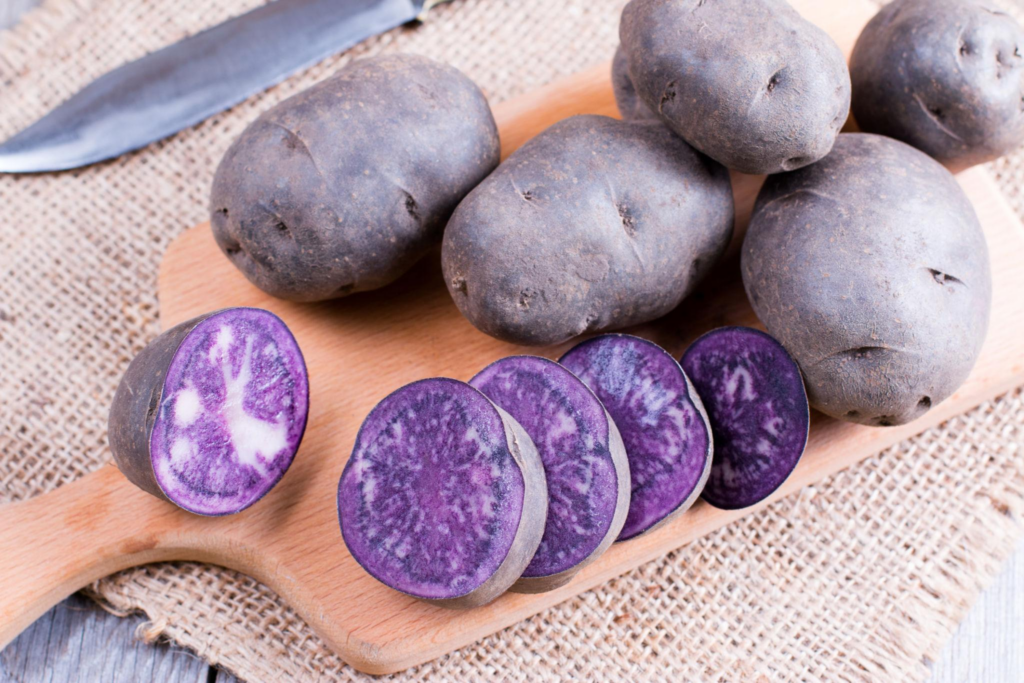
Kufri Jamunia has attracted attention for its reported nutritional composition, including measurements of vitamin C, iron and zinc.
A government information release published by India’s Press Information Bureau in October 2026 reported the following nutritional figures for Kufri Jamunia compared with a conventional potato.
| Nutrient | Kufri Jamunia | Conventional potato |
|---|---|---|
| Vitamin C | 42.75 mg | 23.15 mg |
| Iron | 3.22 mg | 0.57 mg |
| Zinc | 2.28 mg | 0.28 mg |
Reported values per 100 grams, as presented in the cited government information. Actual nutrient concentrations may vary depending on samples, growing conditions, storage and preparation.
These figures indicate that Kufri Jamunia may have an interesting nutritional profile. However, comparisons should be interpreted carefully because nutrient concentrations can differ according to the varieties and samples examined.
Vitamin C contributes to normal immune function and collagen formation. Iron is essential for oxygen transport in the body, while zinc supports normal immune function and numerous cellular processes.
Potatoes also provide carbohydrates and other nutrients. Their contribution to a balanced diet depends on portion size, preparation method and the other foods consumed alongside them.
Potential Benefits of Kufri Jamunia
The distinctive characteristics of Kufri Jamunia make it relevant to discussions about food diversity and nutritional quality. However, its potential benefits should be understood in the context of available scientific evidence.
1. Contains Natural Anthocyanin Pigments
The purple pigmentation associated with anthocyanins is one of the variety’s most notable features. These plant compounds are studied for their antioxidant activity, although their effects in the human body depend on factors such as intake, absorption and overall dietary patterns.
2. Offers an Interesting Nutritional Profile
Reported measurements of vitamin C, iron and zinc have attracted attention to Kufri Jamunia. These nutrients contribute to essential physiological functions, although the amount obtained from a serving depends on the actual nutrient content of the prepared potato.
3. Supports Dietary Variety
Eating a variety of vegetables and other plant foods can help diversify nutrient intake. Purple-fleshed potatoes may offer another option for people interested in incorporating naturally coloured foods into their meals.
4. Offers Opportunities for Food Innovation
The natural purple colour may create opportunities for distinctive potato-based products and visually appealing recipes. Potential applications depend on factors such as taste, texture, colour stability, processing characteristics and consumer acceptance.
It is important not to interpret these characteristics as proof that Kufri Jamunia prevents or treats specific diseases. Such medical claims require appropriate scientific evidence.
Kufri Jamunia Farming and Yield Potential
Potato variety development involves evaluating characteristics such as yield, quality and suitability for cultivation under recommended conditions.
Reported cultivation information for Kufri Jamunia indicates a yield of approximately 32–35 tonnes per hectare under recommended cultivation practices. Higher yields may be recorded in particular experimental trials, but trial results should not be treated as guaranteed commercial production.
Actual yields depend on several factors, including:
- Climate and temperature during the growing season.
- Soil fertility, drainage and soil structure.
- Quality and health of planting material.
- Planting time and crop spacing.
- Irrigation and nutrient management.
- Pest and disease pressure.
- Local cultivation practices and environmental conditions.
Farmers considering this variety should consult ICAR-CPRI, agricultural universities or local agricultural extension services for current cultivation recommendations and information about planting-material availability.
Yield alone does not determine whether a variety is commercially profitable. Farmers must also consider seed costs, fertiliser requirements, irrigation expenses, labour, storage, transport and the market price they can obtain.
Culinary Uses of Kufri Jamunia
Kufri Jamunia can be explored in a range of potato-based preparations, depending on its texture and cooking performance.
Potential uses include potato curry, stuffed parathas, roasted potatoes, mashed potatoes and speciality food preparations.
Its purple flesh may add visual appeal to familiar recipes. However, the colour and texture of the finished dish can change during cooking, and the outcome will depend on the preparation method.
Consumers interested in trying Kufri Jamunia should check its availability through reliable suppliers. A potato with purple flesh is not necessarily Kufri Jamunia, so varietal identity should be verified when that distinction matters.
Kufri Jamunia vs Conventional Potatoes
The main visible difference between Kufri Jamunia and many conventional potatoes is the colour of the flesh.
| Feature | Kufri Jamunia | Conventional potatoes |
|---|---|---|
| Flesh colour | Purple | Commonly white, cream or yellow |
| Skin colour | Purple | Varies by variety |
| Natural pigmentation | Contains purple pigments, including anthocyanins | Varies by variety |
| Nutritional composition | Depends on variety and growing conditions | Depends on variety and growing conditions |
| Food applications | Everyday potato dishes and potential speciality products | Wide range of everyday dishes |
| Availability | May be limited in some markets | Generally more widely available |
Neither category is automatically better in every nutritional or culinary respect. The most suitable choice depends on the intended use, availability, price, taste and nutritional requirements.
Is Kufri Jamunia Available in India?
Availability may vary by region, season and supplier. A variety developed by a research institution is not necessarily stocked by every retailer or available through every seed distribution channel.
Consumers and farmers interested in Kufri Jamunia can contact ICAR-CPRI, agricultural universities, state agriculture departments or authorised seed suppliers to enquire about availability.
Farmers should obtain planting material from reliable sources and verify the identity of the variety before purchasing. They should also confirm whether the variety is suitable for their local climate and production system.

