

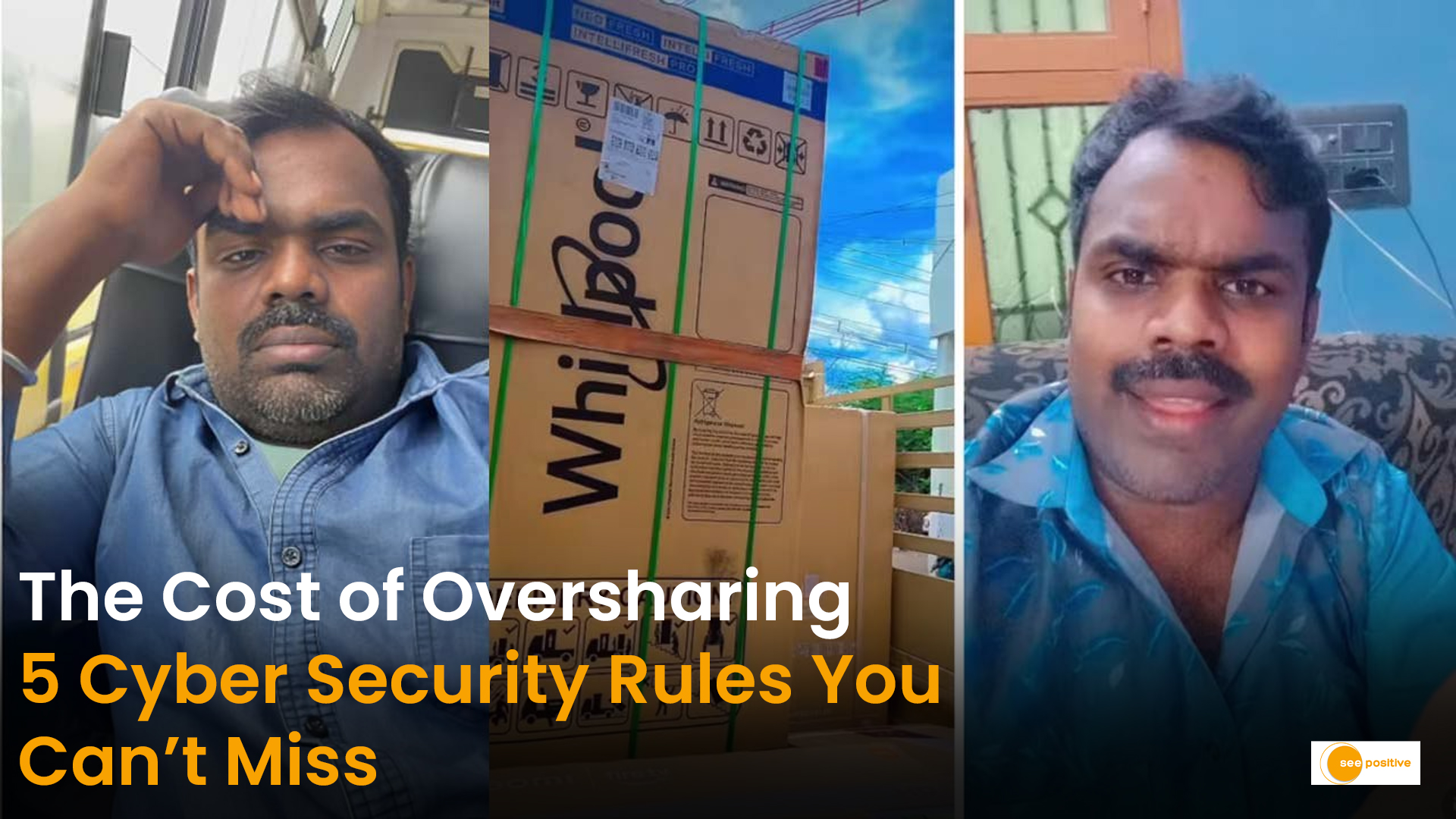
What begins as an innocent social media post can quickly escalate into a real-world nightmare. Recently, an Instagram content creator from Madurai posted a reel asking his followers to send him Diwali sweets. In his enthusiasm, he shared his residential address and phone number online.
Instead of receiving festive treats, however, pranksters flooded his home with unwanted Cash-on-Delivery (COD) orders. Delivery drivers lined up outside his house with expensive smartphones, washing machines, refrigerators, and a television worth ₹1.69 lakh. Consequently, overwhelmed by relentless phone calls and doorstep harassment, the creator was forced to lock his house and flee his city.
While this viral incident sounds like an internet prank, it highlights a severe lack of cyber security awareness. Everyday internet users regularly expose themselves to physical, financial, and psychological harm. Here are 5 critical digital privacy rules that most people miss—and how you can protect yourself.
1. The Danger of DOXXing (Never Post Personally Identifiable Information)
Publishing private details—such as your home address, personal phone number, live location, or vehicle number plate—is known as DOXXing.
- Even if you trust your followers, public posts remain accessible to malicious actors.
- Scammers can easily use your phone number and address to place fraudulent orders, sign you up for unwanted services, or attempt identity theft.
- Best Practice: Use a business phone number or dedicated virtual inbox for public interactions. Never broadcast your residential address on social platforms.
2. Cash-on-Delivery (COD) Exploitation and E-Commerce Vulnerabilities
Many people assume that without sharing an OTP or bank password, their financial safety remains intact. However, bad actors exploit basic e-commerce features to cause distress.
- Pranksters can order high-ticket items on COD to inconvenience you and waste courier resources.
- Scammers may also send fake parcels demanding payment, hoping a family member pays without verifying.
- Best Practice: Warn family members never to accept unexpected COD deliveries without prior confirmation from you.
3. Oversharing Location Data in Real Time
Sharing live check-ins, airport photos, or home tours reveals your real-time whereabouts to potential intruders.
- Broadcasting that you are away on vacation signals to burglars that your home is unattended.
- Posting photos of your neighborhood or daily commute routes makes physical tracking easy for stalkers.
- Best Practice: Post vacation photos and location tags after returning home. Disable background location tracking for social media apps.
4. The Illusion of “Private” Social Media Groups
Many users feel secure sharing personal details inside private WhatsApp groups, Discord servers, or broadcast channels.
- However, once information enters a digital group, you lose control over where it spreads.
- Anyone in that group can take screenshots or copy details to share on public forums.
- Best Practice: Treat every group message as if it were a public broadcast. If you would not put it on a billboard, do not post it in a group.
5. Secondary Data Risks: Identity Theft and Spam Flooding
When your contact information circulates publicly, prank deliveries are often just the first wave of trouble.
- Spammers frequently add exposed numbers to automated telemarketing lists and WhatsApp scam networks.
- Fraudsters can use your phone number and name to search for leaked passwords in dark web databases.
- Best Practice: Use spam-blocking apps, enable two-factor authentication (2FA) across all email and social accounts, and regularly audit your privacy settings.
Essential Cyber Security Checklist for Daily Internet Users
To maintain strong digital hygiene, review this quick security checklist:
| Security Practice | Recommended Action |
| Phone Number Privacy | Keep personal mobile numbers off public profiles. |
| Address Safety | Use workplace or pickup lockers instead of home addresses. |
| Location Tagging | Turn off automatic GPS location tagging on photo posts. |
| Account Protection | Enable 2FA using authentication apps rather than SMS. |
| Delivery Verification | Inform family members never to pay for unverified COD parcels. |
Final Thoughts
Building strong cyber security awareness is no longer optional in today’s interconnected world. Convenience and viral fame should never come at the expense of personal safety. By setting strict boundaries between your online persona and real-life identity, you can enjoy digital connectivity without risking your privacy.

