

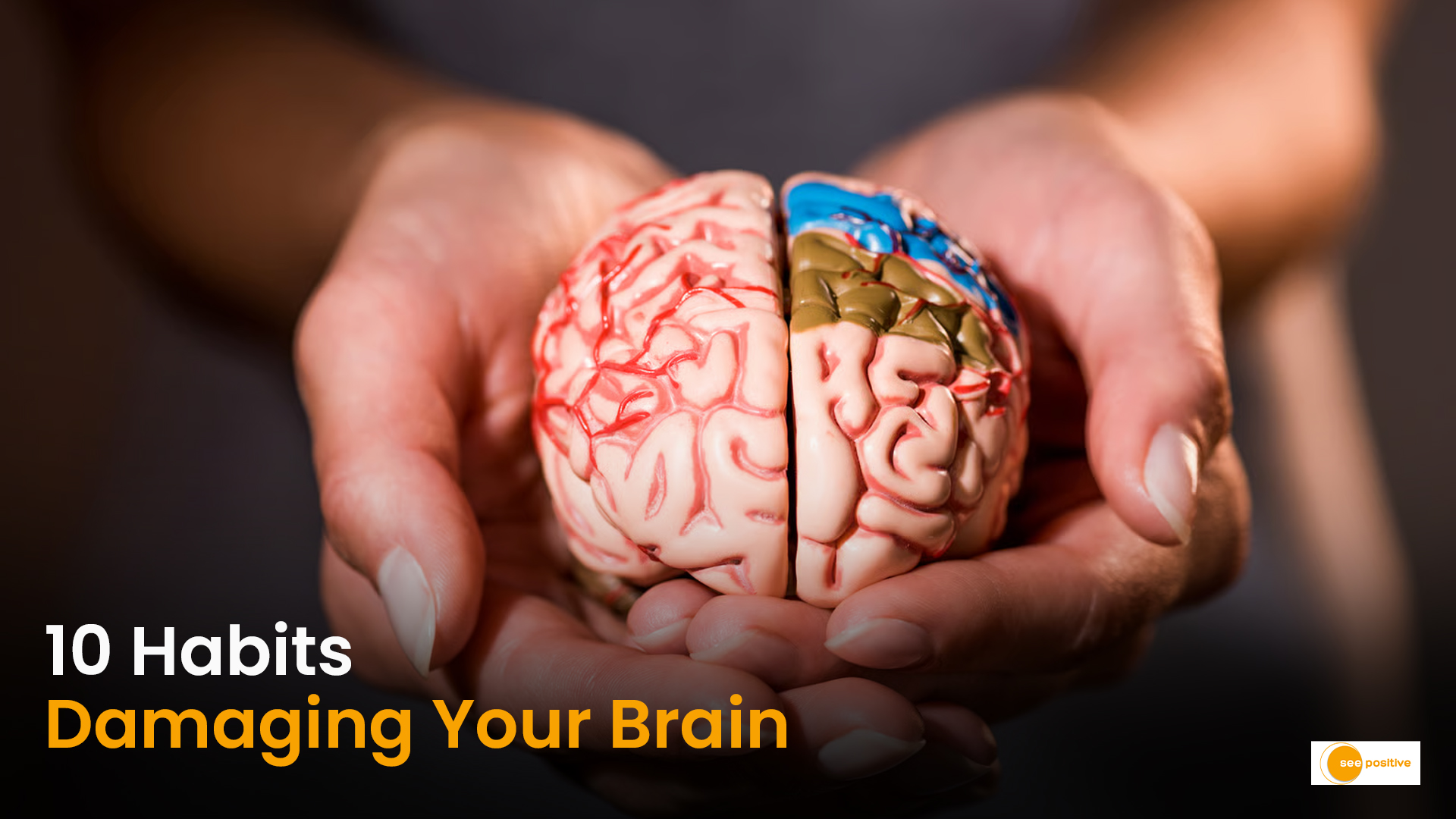
Your brain is the most complex organ in your body, controlling everything from your thoughts and emotions to your memory and physical movement. While most people actively protect their heart and physical fitness, everyday routine choices can quietly harm long-term brain health.
Neurologists and mental health experts note that chronic exposure to bad habits can slow down neuroplasticity (the brain’s ability to adapt and form new connections), reduce cognitive performance, and increase the risk of memory loss later in life.
Here are 10 common habits that damage your brain and actionable steps to reverse their effects.
1. Chronic Lack of Sleep
Sleep is not just rest for your body—it is a detox process for your brain. During deep sleep, the brain’s glymphatic system clears out cellular waste, including toxins associated with neurodegenerative conditions.
- The Damage: Chronic sleep deprivation causes brain fog, poor memory retention, and accelerated cognitive decline.
- The Fix: Aim for 7 to 9 hours of quality, uninterrupted sleep every night.
2. High Sugar Consumption
Excess intake of refined sugar leads to chronic inflammation throughout the body, including the central nervous system.
- The Damage: High blood sugar levels suppress the production of Brain-Derived Neurotrophic Factor (BDNF), a key chemical needed for learning and memory formation.
- The Fix: Swap sugary beverages and processed snacks for fruits, nuts, and whole foods.
3. Chronic Stress
While short-term stress triggers a helpful “fight-or-flight” response, persistent, unmanaged stress releases high levels of cortisol over extended periods.
- The Damage: Excess cortisol can shrink neurons in the hippocampus, the area of the brain responsible for memory and learning.
- The Fix: Practice daily mindfulness, deep breathing exercises, or light walking to lower cortisol levels.
4. Sedentary Lifestyle
Sitting for long hours without physical activity reduces blood circulation throughout the entire body.
- The Damage: Lower blood flow means less oxygen and fewer nutrients reach the brain, leading to reduced mental sharpness and lower neuroplasticity.
- The Fix: Engage in at least 30 minutes of moderate exercise, such as brisk walking, swimming, or cycling, 5 days a week.
5. Prolonged Social Isolation
Human brains are wired for social connection. Spending extended periods isolated from meaningful human interaction negatively impacts brain structure.
- The Damage: Long-term loneliness increases stress levels, accelerates cognitive decline, and significantly raises the risk of mental health conditions.
- The Fix: Maintain regular contact with friends, family, or community groups, even through short phone calls or social activities.
6. Excessive Screen Time and Digital Multitasking
Constantly switching between multiple browser tabs, smartphone apps, and social media feeds overstimulates your focus centers.
- The Damage: Digital multitasking reduces your attention span, lowers deep focus capabilities, and increases mental fatigue.
- The Fix: Practice scheduled digital detoxes, disable unnecessary notifications, and focus on one task at a time.
7. Skipping Meals (Especially Healthy Fats)
The brain consumes nearly 20% of your body’s energy despite representing only 2% of its weight.
- The Damage: Skipping meals or consuming a diet lacking healthy fats deprives the brain of essential fatty acids like Omega-3, which build brain tissue and cell membranes.
- The Fix: Eat balanced meals containing brain-boosting foods like walnuts, flaxseeds, avocados, and leafy greens.
8. Listening to Loud Audio with Earphones
Consistently listening to music or podcasts through headphones at high volume damages inner ear hair cells.
- The Damage: Hearing loss is strongly linked to cognitive decline because the brain has to work harder to process sound, leaving fewer resources for memory and thinking.
- The Fix: Follow the 60/60 rule—listen at no more than 60% of maximum volume for a maximum of 60 minutes at a time.
9. Spending Too Much Time in the Dark
A lack of exposure to natural sunlight throws off your internal biological clock (circadian rhythm).
- The Damage: Insufficient sunlight lowers serotonin levels, leading to mood imbalances, poor sleep quality, and sluggish mental function.
- The Fix: Spend 15–30 minutes in morning sunlight every day to boost your mood and reset your circadian clock.
10. Dehydration
Your brain is made up of nearly 75% water. Even minor dehydration directly affects neurological performance.
- The Damage: Mild dehydration can cause headaches, impair short-term memory, lower alertness, and increase fatigue.
- The Fix: Drink 2 to 3 liters of water throughout the day, adjusting for your climate and activity level.
Summary: Daily Brain Habits at a Glance
| Damaging Habit | Primary Brain Impact | Recommended Daily Fix |
| Sleep Deprivation | Prevents toxin clearance | Get 7–9 hours of sleep daily |
| High Sugar Intake | Lowers BDNF & memory function | Eat whole foods, cut sugary drinks |
| Sedentary Routine | Reduces oxygenated blood flow | 30 minutes of daily exercise |
| Digital Multitasking | Reduces attention span & focus | Practice single-tasking & screen breaks |
| Dehydration | Causes brain fog & headache | Drink 2–3 liters of water daily |
Brain health is not determined by a single action, but by the sum of your daily habits. By making small, intentional adjustments, such as prioritizing sleep, staying hydrated, moving daily, and taking screen breaks, you can protect your cognitive function, enhance mental clarity, and maintain a sharp memory for years to come.

