

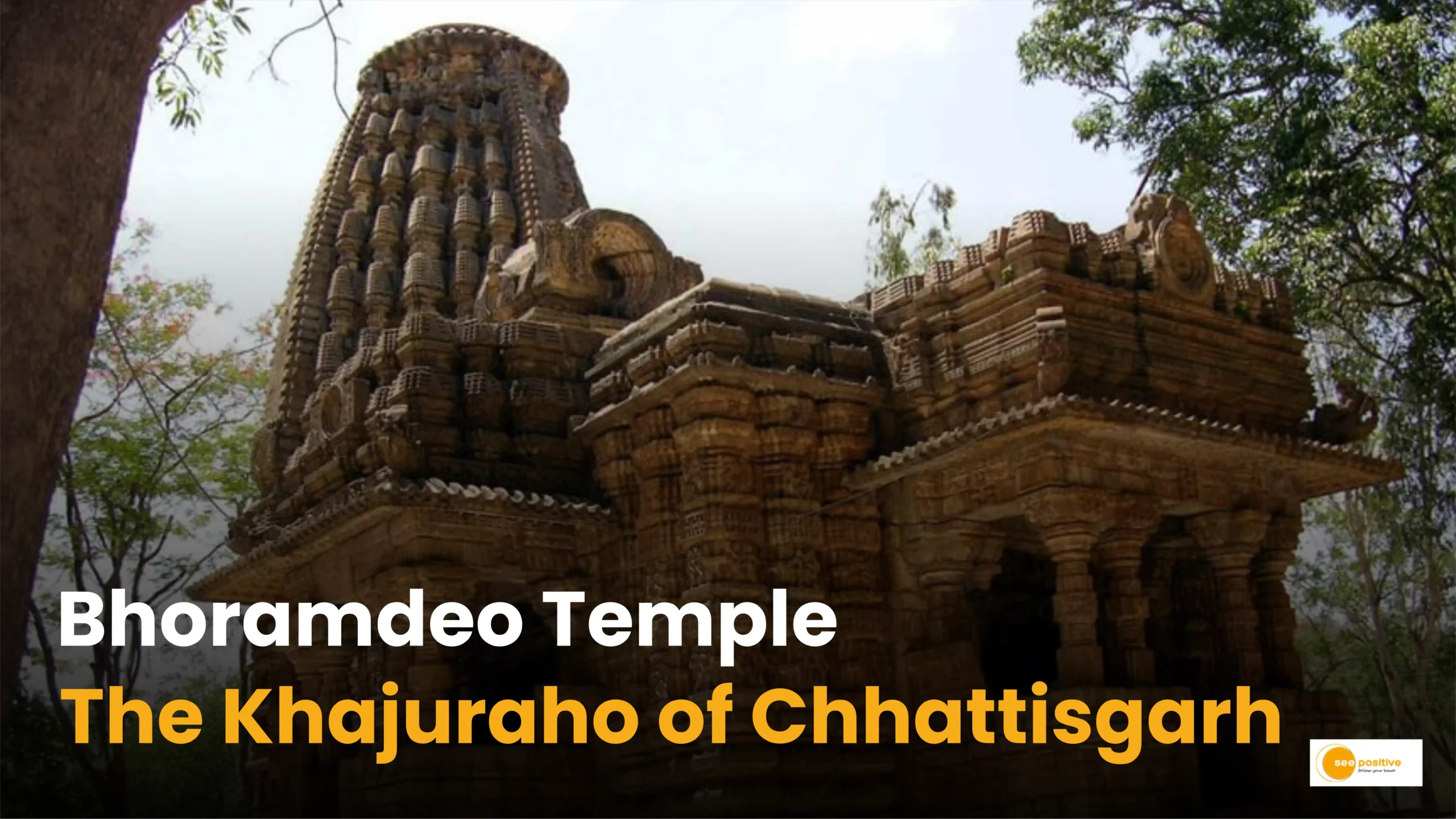
Nestled amidst the lush forests and rolling hills of the Maikal range in Kawardha district, Chhattisgarh Bhoramdeo Temple stands as one of the most magnificent yet lesser-known heritage monuments of India. Often referred to as the “Khajuraho of Chhattisgarh,” this ancient temple is celebrated for its intricate carvings. Its spiritual significance, and remarkable architectural beauty.
Located near the town of Kawardha, about 140 km from Raipur, Bhoramdeo is not just a templeit is a cultural treasure that reflects the artistic brilliance, religious harmony, and historical depth of Chhattisgarh.
Watch our special documentary series on Bhoramdeo
Historical Background of Bhoramdeo Temple
The Bhoramdeo Temple complex dates back to the 7th to 12th centuries. The main temple believed to have been constructed during the reign of the Nagvanshi kings. Historians suggest that the temple flourished under rulers who patronized Shaivism, which is evident from the presence of a Shiva Linga inside the sanctum.
The temple is dedicated to Lord Shiva, locally worshipped as “Bhoramdeo.” The name itself is derived from a tribal deity associated with the Gond community, symbolizing a unique blend of tribal faith and traditions.
The architectural and cultural elements of Bhoramdeo reflect influences from central Indian temple styles, making it an important historical monument in Chhattisgarh’s heritage landscape.
Why Is Bhoramdeo Called the Khajuraho of Chhattisgarh?
Bhoramdeo Temple is often compared to the famous temples of Khajuraho Group of Monuments. Because of its exquisite erotic sculptures and detailed carvings.
The temple walls feature:
- Intricate depictions of divine figures
- Mythological scenes
- Celestial beings
- Sensuous and symbolic carvings representing human emotions and relationships
These carvings are not merely artistic expressions but reflect ancient Indian philosophies related to life, spirituality, and the union of male and female energies.
However, unlike Khajuraho, Bhoramdeo remains less commercialized. It offers a serene, untouched atmosphere for visitors seeking peace and cultural exploration.
Architectural Brilliance
Bhoramdeo Temple – Khajuraho of Chhattisgarh
Bhoramdeo Temple is constructed primarily from sandstone and displays a blend of Nagara-style temple architecture. The temple structure includes:
- A sanctum (Garbhagriha) housing the Shiva Linga
- A mandapa (pillared hall)
- Beautifully carved outer walls
- A pyramidal shikhara (spire)
The carvings include floral motifs, musicians, dancers, warriors, and scenes from daily life, giving insight into the social and cultural fabric of medieval Chhattisgarh.
The temple complex also includes other significant structures like:
- Madwa Mahal
- Cherki Mahal
- Laxman Temple
Together, these monuments create a rich archaeological site that reflects centuries of artistic and religious evolution.
Cultural and Tribal Significance
Bhoramdeo Temple – Khajuraho of Chhattisgarh
What makes Bhoramdeo truly unique is its deep connection with local tribal communities. The Gond tribe, one of the major ethnic groups of Chhattisgarh, associates the temple with their traditional deity.
This cultural fusion between tribal beliefs and mainstream Hindu practices highlights the inclusive and syncretic nature of Chhattisgarh’s heritage.
Every year during Mahashivratri, thousands of devotees visit the temple, turning the quiet forest surroundings into a vibrant spiritual gathering.
Best Time to Visit Bhoramdeo Temple
The ideal time to visit Bhoramdeo Temple is between October and March. Its when the weather remains pleasant and suitable for exploration. The surrounding hills, forests, and lake add to the scenic beauty, making it a perfect destination for history lovers, photographers, and cultural explorers.
How to Reach Bhoramdeo
- Nearest City: Kawardha
- Nearest Airport: Raipur (Swami Vivekananda Airport)
- Road Connectivity: Well connected via road from Raipur, Bilaspur, and Durg
The temple’s location amidst nature enhances its charm, offering visitors a peaceful retreat away from urban chaos.

