

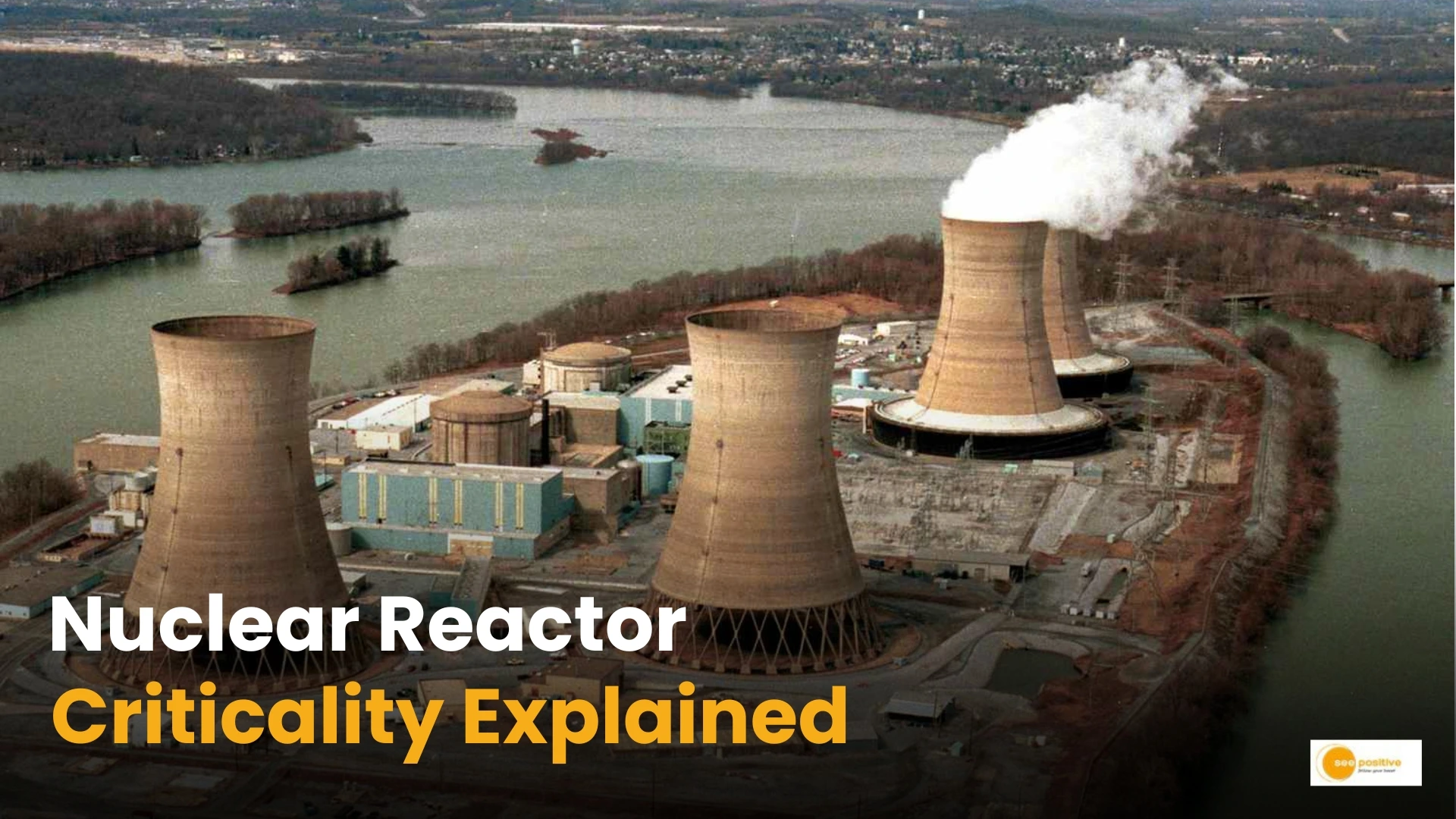
India has taken a significant step forward in its energy journey as the Kalpakkam nuclear reactor achieves criticality. It is Prototype Fast Breeder Reactor (PFBR) at Kalpakkam, Tamil Nadu. This is a milestone that signals not just scientific progress, but a bold move toward a cleaner and more energy-secure future. As conversations around sustainable energy, net-zero goals, and climate action dominate global discourse. Kalpakkam nuclear reactor achieves criticality development places India firmly on the map of advanced nuclear innovation. This marks a major milestone in India’s three-stage nuclear power programme, as it heralds the transition into the second stage and positions India as only the second nation after Russia to operate a functional fast breeder reactor.
What Does “Criticality” Mean in a Nuclear Reactor?
In simple terms, criticality is the point at which a nuclear reactor becomes self-sustaining. Inside a reactor, atoms split in a process called nuclear fission, releasing energy and neutrons. These neutrons go on to trigger further reactions.
- Subcritical state: The reaction dies out over time.
- Critical state: The reaction sustains itself at a steady rate.
- Supercritical state: The reaction accelerates.
When the Kalpakkam reactor attains criticality, it means the chain reaction is stable and controlled—producing consistent heat that can be used to generate electricity. This is a crucial phase before full-scale power generation begins.
Why This Matters: India’s Clean Energy Transition
India’s energy demand is rapidly growing, fueled by urbanization, industrial expansion, and digital transformation. At the same time, the country has committed to ambitious carbon neutrality and renewable energy targets. Nuclear power offers a powerful solution at this intersection.
1. Low-Carbon, High Output Energy
Unlike fossil fuels, nuclear reactors produce electricity without emitting greenhouse gases during operation. This aligns directly with climate change mitigation goals and strengthens India’s position in global climate commitments.
2. Reliable Baseload Power
While solar and wind are key pillars of green energy, they are intermittent. Nuclear energy provides continuous, stable power—ensuring grid reliability and supporting the integration of renewables.
3. Energy Security & Reduced Imports
India imports a large share of its fossil fuels. Expanding nuclear capacity reduces dependence on external energy sources, boosting energy independence and insulating the economy from global price volatility.
4. Advanced Reactor Technology Leadership
The Kalpakkam project, particularly with its advanced reactor design, showcases India’s expertise in next-generation nuclear systems. This strengthens its position in global nuclear technology and opens doors for international collaboration.
5. Efficient Use of Resources
India’s nuclear program is uniquely designed to utilize its thorium reserves in the long run. This supports a sustainable, long-term energy strategy and reduces reliance on scarce uranium.
The Bigger Picture: Clean Energy Future
As the world accelerates toward decarbonization and sustainable development, nuclear energy is re-emerging as a key player alongside renewables. India’s achievement at Kalpakkam reflects a balanced energy strategy—one that combines innovation, environmental responsibility, and economic growth.
Positive Takeaway
The attainment of criticality at the Kalpakkam reactor is more than a technical milestone—it is a symbol of India’s evolving energy landscape. By embracing nuclear power as part of its clean energy mix, India is not only addressing its rising energy needs but also contributing meaningfully to the global fight against climate change.
With continued investments in advanced nuclear reactors, green technology, and energy innovation, India is poised to lead in shaping a sustainable and resilient energy future.
Read more: Explore how nuclear power is used in electricity generation?

