

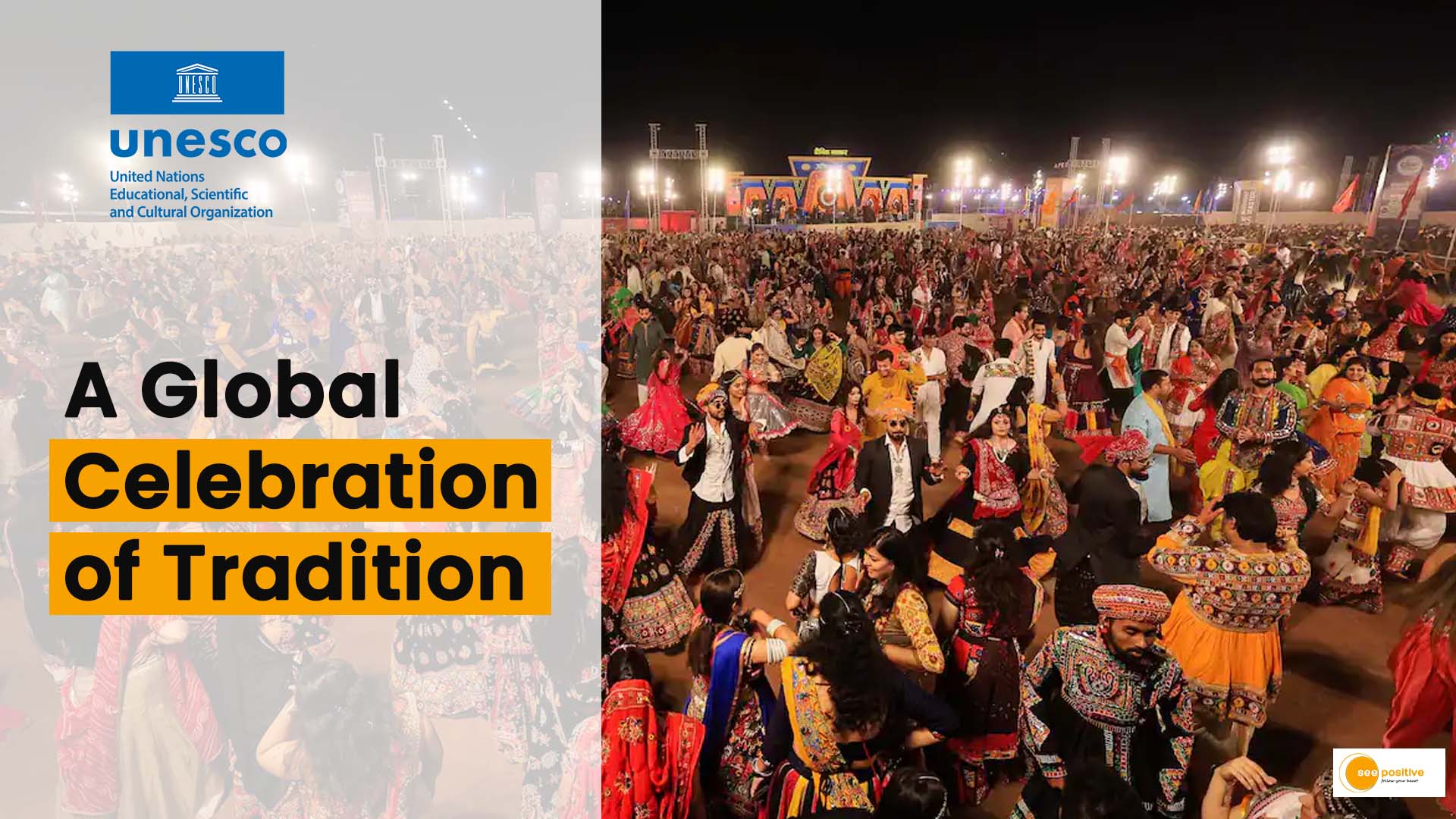
Garba is a traditional dance of Gujarat and it has gained international attention. UNESCO Intangible Cultural Heritage has included it in its list. Chief Minister Bhupendra Patel proudly announced this significant milestone, emphasizing the cultural importance of Garba in Gujarat and beyond. India’s nomination of Garba for inclusion in the prestigious list reflects the enduring tradition of devotion to Goddess Mother during the Navratri festival.
What is Intangible Cultural Heritage?
UNESCO Intangible Cultural Heritage refers to cultural practices, traditions, expressions, knowledge, and skills. It includes oral traditions, performing arts, rituals, social practices, festive events, traditional craftsmanship, and knowledge of nature and the universe.
- From generation to generation this Intangible Cultural Heritage is passed down . Oral traditions and practical demonstrations are used to accomplish this.
- It is constantly evolving.
- It is often closely related to a community’s identity and helps to strengthen social cohesion.
- It is an important way for communities to maintain a connection with their cultural history.
- Intangible Cultural Heritage recognizes the significance of safeguarding and promoting cultural diversity.
- It underlines the need of preserving cultural traditions and practices that are at risk of extinction.
Garba’s UNESCO Recognition:
Garba is the 15th element from India to be inscribed on the UNESCO list of Intangible Cultural Heritage. The approval highlights Garba’s role as a unifying force that fosters social inclusivity. The dance, deeply rooted in ritualistic and devotional practices, involves people from various walks of life, showcasing its vitality as a living tradition that brings communities together.
Health Benefits of Performing Garba:
- Stress Reduction: The rhythmic movements and melodious tunes of Garba release stress-busting endorphins, promoting mental tranquility.
- Social Connection: Engaging with fellow participants fosters a sense of community, alleviating feelings of isolation and depression.
- Mindfulness: Garba encourages a state of mindfulness, with the concentration and coordination required providing an escape from daily worries.
- Physical Health: The energetic dance serves as a cardiovascular workout, releasing mood-boosting chemicals and contributing to overall well-being.
- Cultural Pride: Engaging in Garba boosts cultural connection, instilling pride and a sense of belonging.
- Emotional Expression: Garba provides an outlet for emotional expression, allowing individuals to release bottled-up emotions.
- Rhythmic Therapy: The rhythmic patterns in Garba promote brainwave synchronization, reducing stress and anxiety while enhancing clarity of thought.
UNESCO Intangible Cultural Heritage Full List:
Apart from Garba, India boasts several other cultural phenomena recognized by UNESCO:
- Ramlila: A traditional performance depicting the life of Lord Rama.
- Kutiyattam: It is one of Kerala’s longest live theatrical traditions.
- Ramman: religious festival and ritual theatre of the Garhwal Himalayas, India.
- Mudiyettu: ritual theatre and dance drama of Kerala.
- Rajasthan‘s Kalbelia folk songs and dances: This tradition is claimed to have descended from the ancestors of Guru Gorakhnath’s twelfth disciple, Kanlipar.
- Chhau dance: It is a dance tradition that recreates scenes from epics such as the Mahabharata and Ramayana, as well as local folklore and abstract concepts.
- Buddhist chanting of Ladakh: recitation of sacred Buddhist texts in the trans-Himalayan Ladakh region, Jammu and Kashmir, India
- Vedic Chants: Ancient chants with profound spiritual significance.
- Sankirtana: ritual singing, drumming and dancing of Manipur
- Yoga: In order to achieve greater mental, spiritual, and physical well-being , an ancient Indian practise focuses on uniting the mind, body, and soul.
- Nowruz: It celebrates the beginning of a new year with a variety of rites, ceremonies, and other cultural activities that last around two weeks.
- Kumbh Mela: A massive religious gathering celebrated at the confluence of sacred rivers.
- Durga Puja: A vibrant celebration honoring Goddess Durga.
Conclusion:
The inclusion of Garba in UNESCO Intangible Cultural Heritage list is a moment of pride for Gujarat and India as a whole. This recognition emphasizes the cultural significance and global importance of this traditional dance form. As Garba continues to thrive as a vibrant living tradition, it serves as a unifying force that fosters social inclusivity and strengthens the bonds within diverse communities.

