

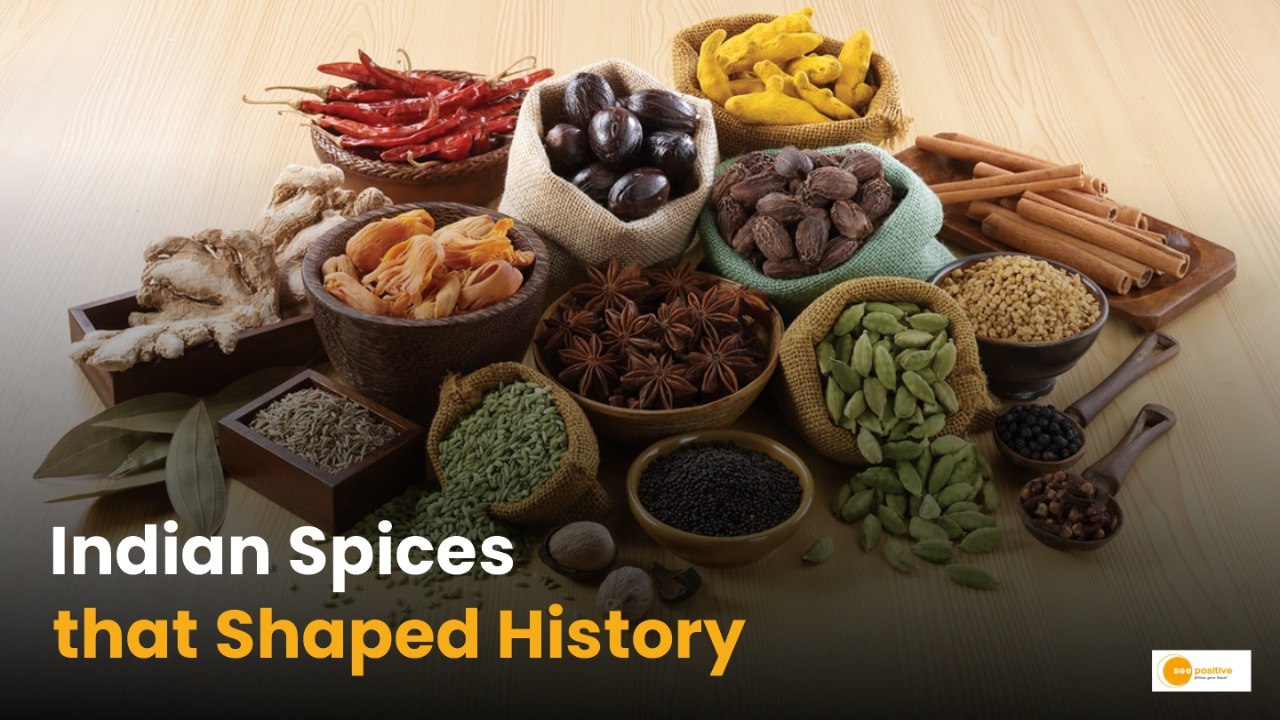
For centuries, the most valuable cargo on the high seas wasn’t gold bullion or precious gems. It was a handful of dried seeds and bark from the Indian subcontinent. Today, we might sprinkle black pepper onto our eggs without a second thought. But there was a time when these aromatics Indian spices were very prized. They shifted the borders of empires and defined the wealth of kings.
From the ancient “Spice Routes” to your morning masala chai, the story of Indian spices is one of luxury. Of health, and a culinary legacy that refuses to fade.
The “Black Gold” Era: When Spices Outvalued Gems
Indian Spices shifted the borders of empires
In the Middle Ages and the Renaissance, Indian spices were the ultimate status symbol in Europe and the Middle East. They were rare, exotic, and incredibly difficult to transport across thousands of kilometers of treacherous terrain and sea.
- Black Pepper: Known as “Black Gold,” it was frequently used as currency to pay rent or taxes.
- Saffron: It is harvested from the delicate stigmas of crocuses. It remains the most expensive spice in the world, once reserved only for royalty.
- Nutmeg & Cloves: These were so coveted that explorers like Vasco da Gama and Christopher Columbus risked everything. They urged to find a direct sea route to India’s “Spice Coast.”
These ingredients weren’t just for flavor. They were essential for preserving meat, masking the scent of unwashed environments in perfumes, and serving as potent medicines.
More Than Just Flavor: The Science of Traditional Cooking
Indian Spices have medicinal impact on every meal
In an Indian household, the kitchen has always been the first line of defense for health. Traditional cooking doesn’t just use spices for heat; it uses them with Ayurvedic intention to balance the body’s internal systems.
By roasting and grinding these spices fresh, traditional cooks ensured the essential oils remained potent. This maximizes both the aroma and the medicinal impact of every meal.
The Modern Revival: From Ancient Tradition to Global Fusion
Indian Spices have modern relevance too
The world is currently witnessing a “Spice Renaissance.” We are moving away from processed flavorings and returning to the functional benefits of whole spices. This modern relevance manifests in several ways:
- Wellness Drinks: The “Golden Latte” (Turmeric milk) and herbal kadhas have moved from Indian grandmothers’ kitchens to high-end global cafes.
- Sustainable Eating: As more people adopt plant-based diets, Indian spices provide the depth and “umami” necessary to make vegetables the star of the show.
- Global Fusion: Chefs worldwide are experimenting with cinnamon in savory rubs and cardamom in craft cocktails. This is proving that these ancient ingredients are infinitely adaptable.
Positive Takeaway
The journey of Indian spices from a form of currency to a global kitchen staple is a testament to their enduring power. They represent a perfect marriage of flavor and function. Connecting us to a history of global trade while supporting our modern quest for wellness. Whether you are simmering a rich curry or brewing a spiced tea, you aren’t just cooking! You are participating in a golden legacy.

