

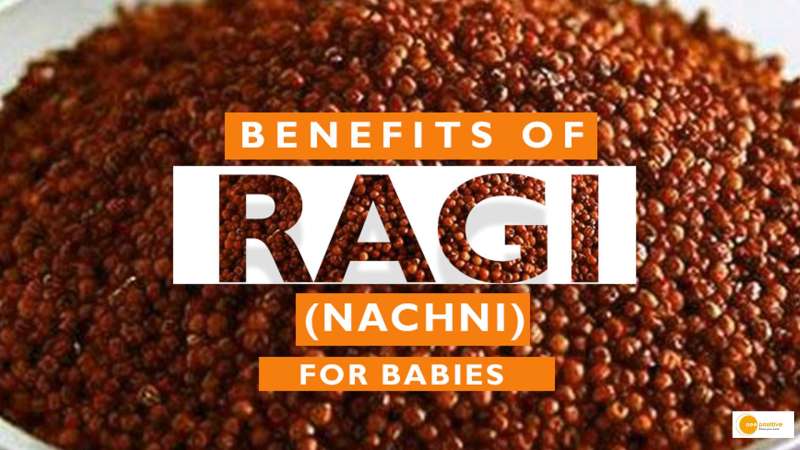


Ragi, commonly known as finger millets, is a coarse grain predominantly consumed in rural and southern India. Packed with essential nutrients, ragi is considered a superfood with numerous health benefits for both kids and adults. Let’s explore the nutritional value of ragi and delve into the incredible benefits it offers specifically for children.
Nutritional Value of Ragi – A Superfood for All Ages
Ragi boasts an impressive nutritional profile, providing a wide array of macro and micronutrients. Rich in fats, proteins, vitamins, and minerals, this natural grain offers a host of health benefits, making it a valuable addition to any diet.
Benefits of Ragi for Kids – A Wise Choice for Growing Children
Ragi flour emerges as a top-notch baby food, abundant in calcium, fiber, and vitamin D. Being organic, gluten-free, low in fat, and free from preservatives or artificial colors, ragi becomes a smart choice for parents seeking wholesome nutrition for their little ones. Let’s explore the benefits of ragi for kids in detail.
Rich in Calcium – Promoting Strong Bones and Growth
Ragi outperforms chickpeas and cow’s milk in calcium content, providing more than twice and nearly three times as much, respectively, per 100 gm. Growing children require ample calcium, and including ragi in their diet aids in preventing issues like osteoporosis and fractures, promoting healthy bone development.
Easy-to-Make Healthy Recipes – Delicious and Nutritious for Little Tastes
Ragi’s versatility allows for simple preparation as a porridge, combined with milk or water. Various ragi recipes, like tasty idlis or dosas when combined with oats and semolina, can be easily prepared, offering delicious and healthy options for baby meals.
Aids in Better Sleep – Amino Acids for a Restful Night
Ragi contains several amino acids, including tryptophan, which elevates serotonin levels and influences the hormone melatonin, facilitating better sleep for babies and kids.
Rich in Fiber for Improved Digestion – Keeping Little Tummies Happy
The high dietary fiber in ragi aids digestion and provides a lasting feeling of fullness for children. Additionally, ragi’s amino acids help eliminate excess fat, reducing cholesterol levels and preventing obesity in kids.
Preventing Anemia with Natural Iron – Promoting Optimal Growth
The natural iron in ragi helps prevent anemia in children, with the high vitamin C content in sprouted ragi further enhancing iron absorption. Its nutritious properties make ragi an effective means to combat infant malnutrition.
Organic Ragi Flour – Versatile and Easy-to-Digest Option
Organic Ragi Flour, also known as Nachini Flour or Finger Millet Flour, offers an easily digestible and nutrient-rich option for baby porridge, halwa, roti, dosa, or idli.
Conclusion
With its remarkable nutritional value and a plethora of benefits, ragi stands as a nutritional powerhouse for children’s health. Incorporating ragi into kids’ diets can promote strong bones, better sleep, improved digestion, and overall growth. Embrace the goodness of ragi and provide your little ones with a delicious and nutritious start to a healthy life.

