

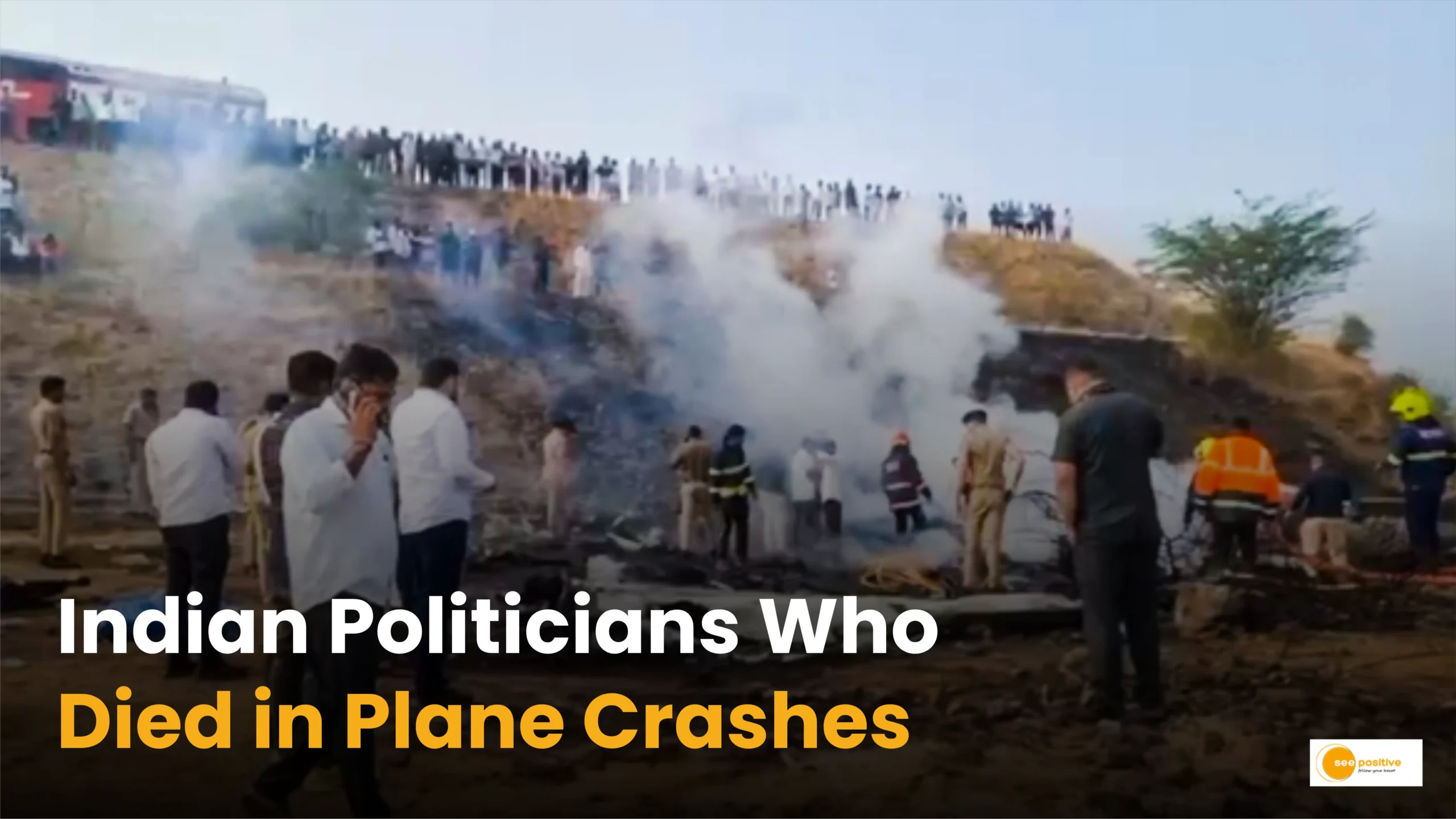
In the wake of reports surrounding an air crash involving senior Maharashtra leader Ajit Pawar, public attention has once again turned to a sobering chapter in Indian political history — Indian politicians whose careers were at their peak when plane crashes abruptly cut their journeys short. Against this backdrop, this article looks back at Indian politicians and emerging leaders who lost their lives in plane and helicopter crashes, examining the impact of these tragedies — and the one remarkable survival that still stands out.
1. Ajit Pawar (2026): A Sudden End in Baramati
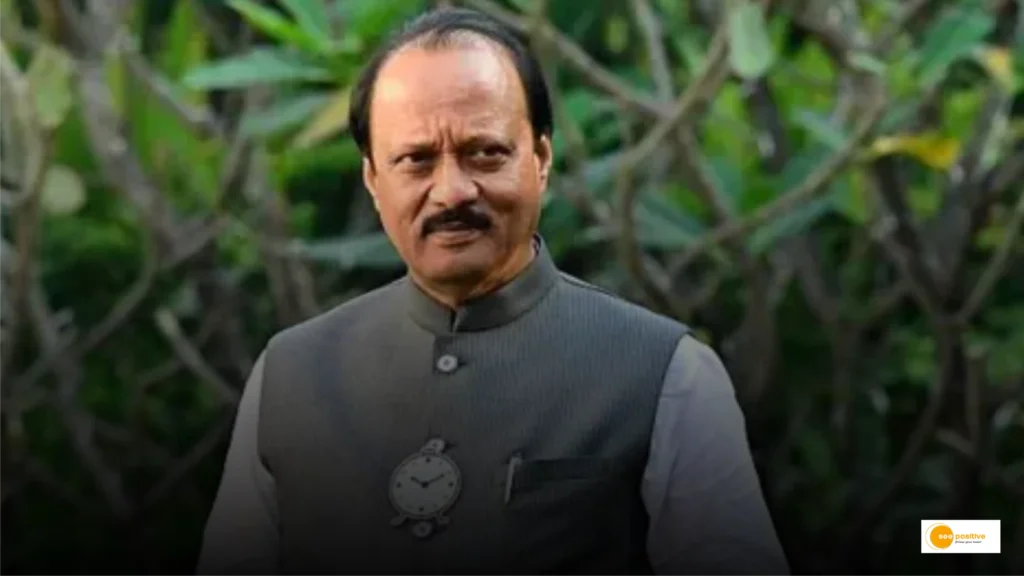
Ajit Pawar’s Air Crash and a Renewed National Debate
On 28 January 2026, Ajit Pawar, the Deputy Chief Minister of Maharashtra and a key power broker in state politics, died when his Learjet 45 chartered plane crashed near Baramati during approach for landing. The aircraft went down just 200 meters from the runway, killing Pawar and others on board in a sudden tragedy that stunned Indian political circles.
Pawar was known for his influence in Maharashtra’s governance and budgetary planning. His sudden death has left a leadership void and prompted detailed investigations into the cause of the crash.
2. Vijay Rupani (2025): Tragedy in the Skies Near Ahmedabad
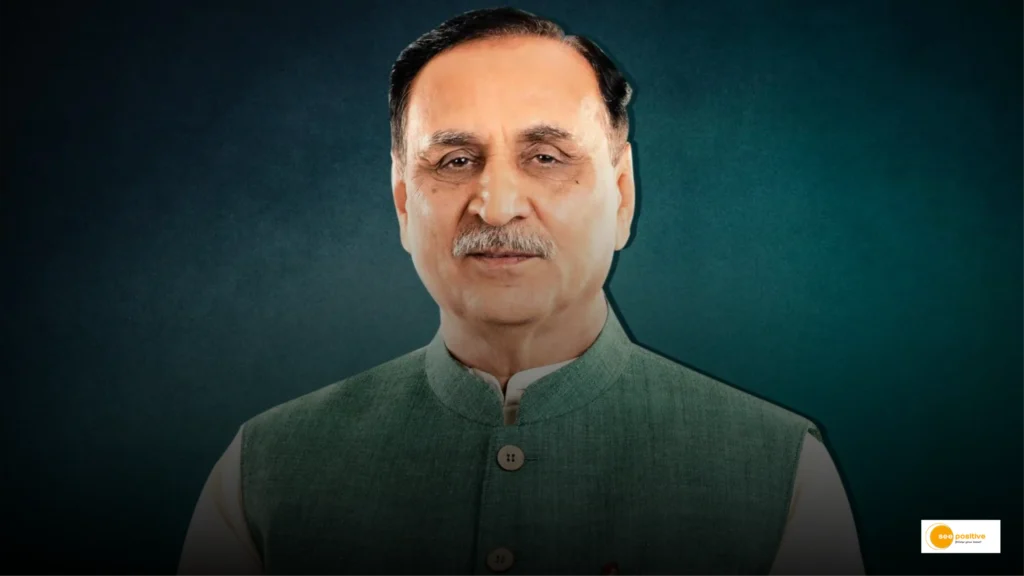
Why Aviation Tragedies and plane crashes Leave a Deeper Political Impact?
In June 2025, former Gujarat Chief Minister Vijay Rupani was among the casualties when Air India Flight AI‑171, a Boeing 787 Dreamliner bound for London, crashed shortly after takeoff from Ahmedabad Airport. Rupani, a seasoned leader who once guided Gujarat politics through turbulent times, was among the 242 passengers who lost their lives in that devastating accident.
The incident resonated deeply, reminding the nation of how quickly the promise of leadership can be cut short.
3. Sanjay Gandhi (1980): A Rising Star Lost Too Soon
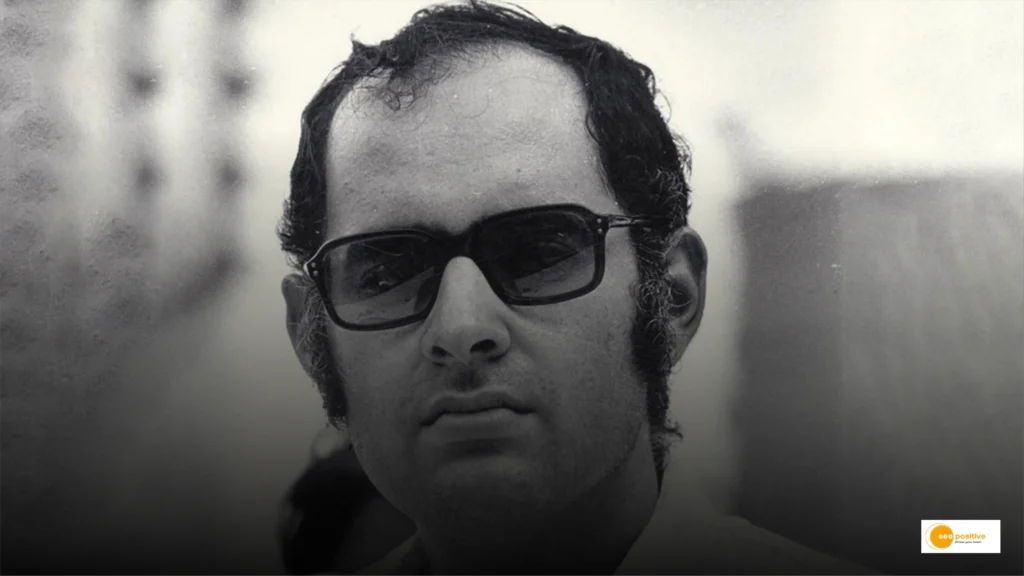
One of the most talked‑about aviation tragedies in Indian political history is the death of Sanjay Gandhi in 1980. Son of then Prime Minister Indira Gandhi, Sanjay was a powerful presence in the Congress party and widely expected to rise further. However, his two‑seater aircraft crashed near Safdarjung Airport in Delhi during a test flight, killing him at age 33.
His untimely demise dramatically altered the future of the Gandhi political lineage, paving the way for his brother Rajiv Gandhi to emerge as the next generation leader.
4. Madhavrao Scindia (2001): From Royal Lineage to Political Loss
What These Crashes Teach About Power and Fragility
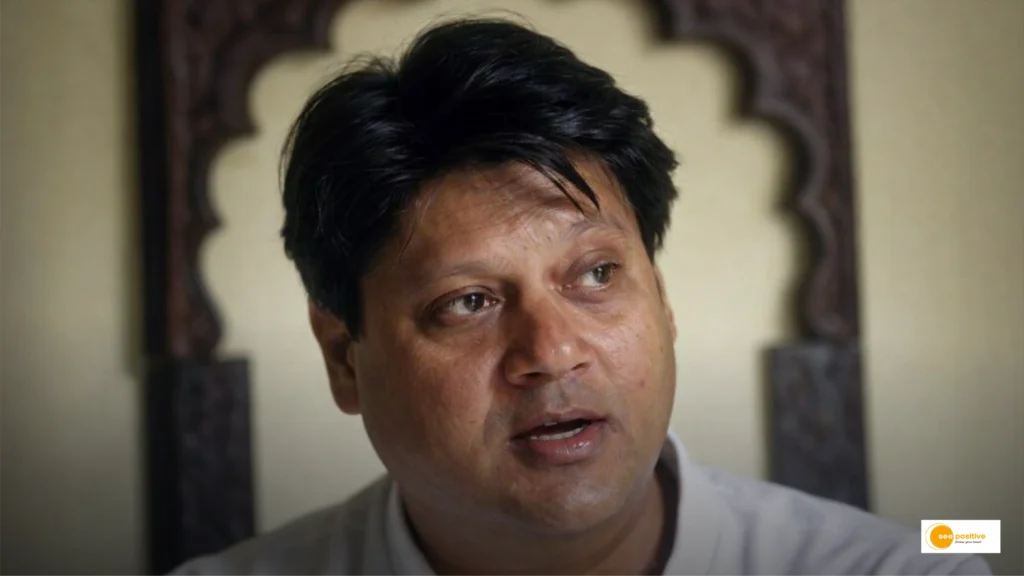
Madhavrao Scindia, a senior leader of the Indian National Congress and former Civil Aviation Minister, died in September 2001 when his private aircraft crashed in Uttar Pradesh while he was en route to a political rally. Scindia’s death ended the career of one of India’s influential political figures of his era, known both for his royal heritage and grassroots appeal.
His passing left a vacuum in Congress politics, later filled by his son Jyotiraditya Scindia — who eventually charted his own political course.
5. Y.S. Rajasekhara Reddy (2009): Andhra’s Beloved Leader
Why Aviation Tragedies Leave a Deeper Political Impact?
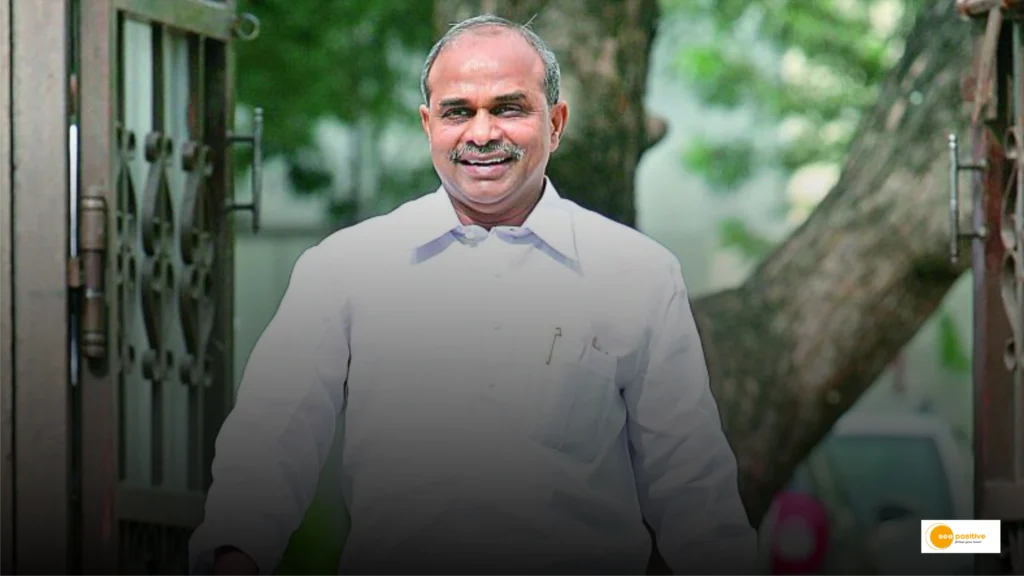
A revered figure in Andhra Pradesh politics, Y.S. Rajasekhara Reddy — popularly known as YSR — died along with his helicopter in September 2009 when it crashed in the dense Nallamala Hills during bad weather. The tragic loss sparked widespread grief across the state and demonstrated how even the most beloved leaders can fall victim to unpredictable forces.
A Curious Survival: Morarji Desai and the 1977 Air Crash
A Rare Exception — When Fate Chose to Spare a Leader
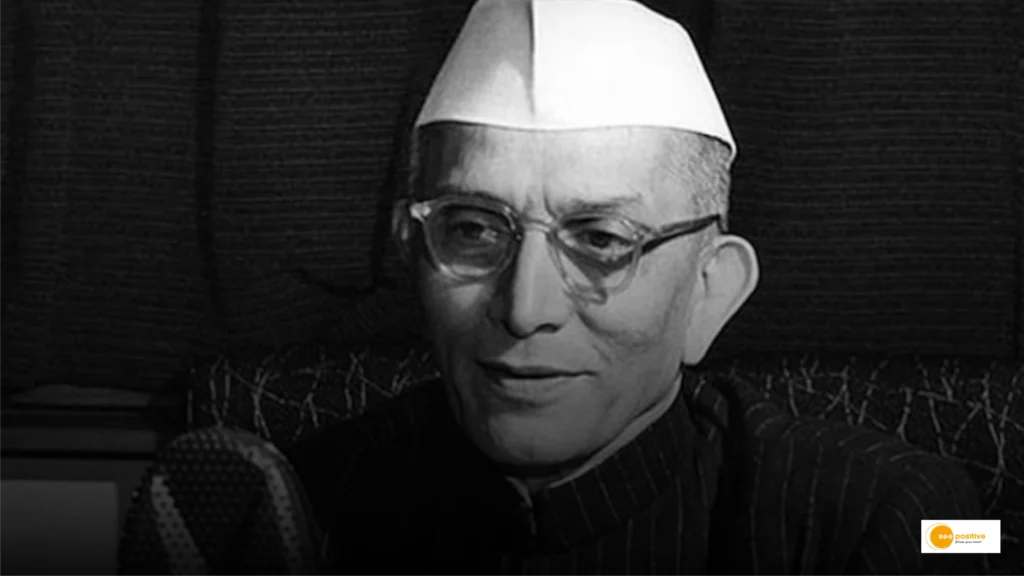
Not all leaders perished mid‑air. In a remarkable episode from India’s political annals, Morarji Desai, who served as Prime Minister of India from 1977 to 1979, survived an air crash in Assam in 1977. Desai emerged unhurt from the accident when his special aircraft crashed — a rare instance of a national leader escaping a potentially fatal aviation incident.
Desai’s survival added a dramatic twist to a career already marked by resilience and determination. He later led India’s first non‑Congress government at the Centre after the Emergency era, underscoring how survival in the face of disaster can become a defining chapter in political life.
Also Read: How India’s CDS, Army, Navy, and Air Chiefs are steering a unified strategy?

