

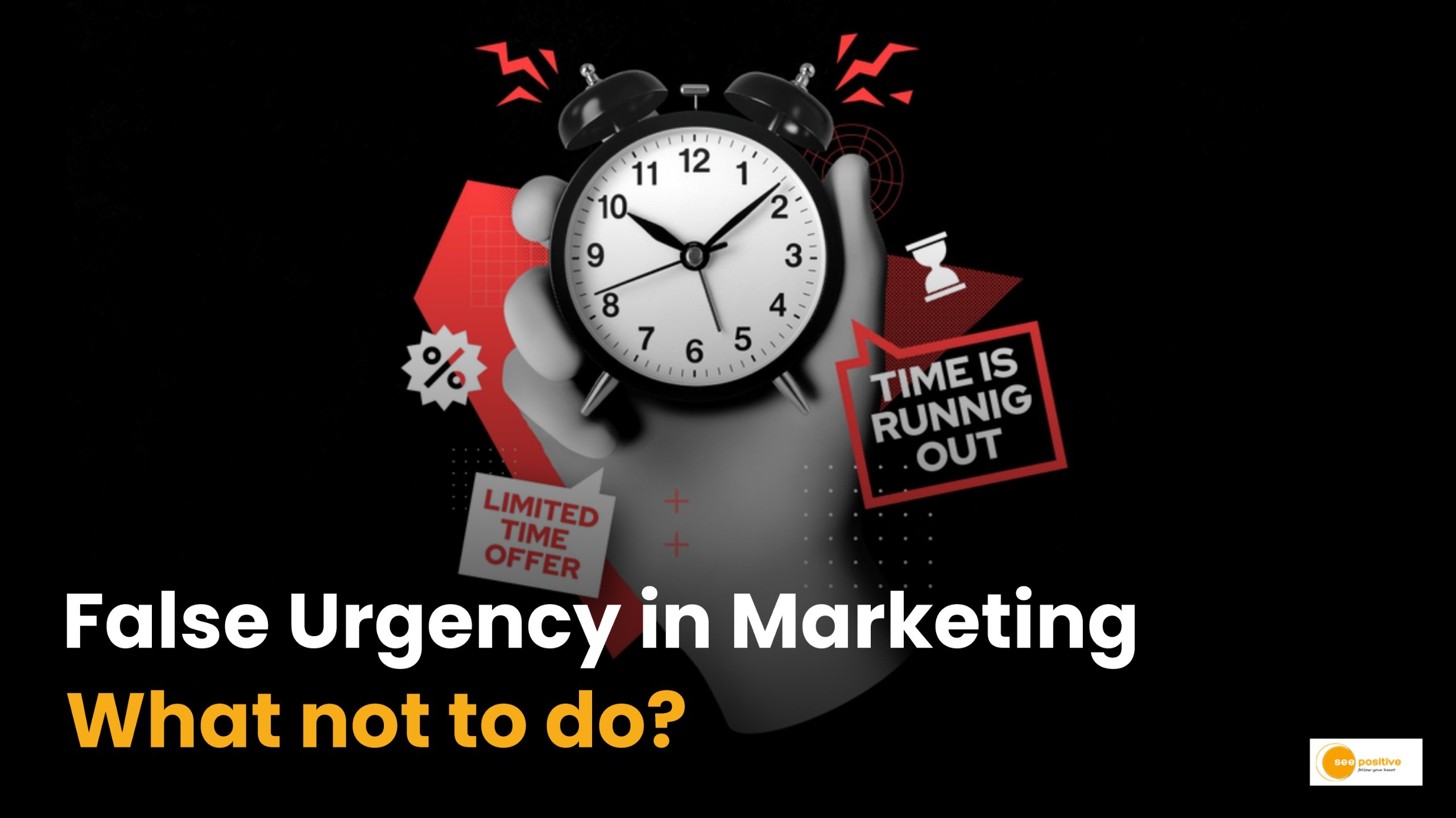
In today’s fast-paced market, brands often rely on false urgency as a powerful tool in marketing. False Urgency in Marketing tactic creates a sense of scarcity or limited-time offers, pushing consumers to make quick decisions. Such strategies fall under deceptive advertising, as they manipulate buyers into acting impulsively, often without need or proper research. Understanding how false urgency works in Marketing will help consumers make informed choices and avoid falling for these marketing traps.
What Is False Urgency?
False Urgency in Marketing is Deceptive Advertising
False urgency occurs when brands manufacture a sense of scarcity or a limited-time opportunity. They display warnings such as:
- “Only 2 left in stock!”
- “Sale ends in 2 hours!”
- “Hurry! Limited slots available!”
These statements push consumers to act quickly without proper consideration. Although it feels authentic, brands sometimes use these tactics even when ample stock exists.
Real-World Examples of False Urgency
E-Commerce Platforms- False Urgency in Marketing is Deceptive Advertising
Amazon frequently shows low-stock alerts to nudge buyers toward immediate purchase. Similarly, Flipkart and other online retailers use countdown timers during flash sales. These timers create artificial urgency and increase impulse purchases.
Fashion and Lifestyle Brands
Fashion brands like Zara and H&M display messages like “Only few items left!” to make customers feel pressured to buy before someone else does. Seasonal sales often exaggerate scarcity to boost short-term revenue.
Tech and Online Courses
Tech companies and e-learning platforms claim limited seats in workshops or courses. Coursera or Udemy often show “Hurry! Only 3 seats left” even when the class can accommodate many more users.
How False Urgency Harms Consumers
False Urgency in Marketing is Deceptive Advertising
Financial Impact
Consumers pay higher prices and purchase unnecessary items due to panic buying. They often regret their decisions later, realizing the urgency was fake.
Emotional Stress
Repeated exposure to false urgency can cause stress and anxiety. Shoppers feel rushed and fear missing out, impacting their overall shopping experience.
Erosion of Trust
Brands that overuse false urgency risk losing customer trust. When consumers discover manipulative tactics, they become skeptical of future offers.
Psychological Tricks Behind False Urgency
Fear of Missing Out (FOMO)
Brands exploit FOMO by emphasizing limited availability or high demand. Phrases like “X people are viewing this now!” push consumers to act immediately.
Cognitive Bias
False urgency manipulates cognitive biases. Consumers prioritize speed over rational thinking, often skipping reviews, price comparisons, or research.
How Consumers Can Protect Themselves
- Pause before purchasing.
- Check stock availability directly.
- Compare prices across platforms.
- Ignore countdown timers and low-stock warnings if unsure.
- Focus on real needs, not marketing pressure.
By staying alert, consumers regain control and avoid impulsive, regretful purchases.
Conclusion
False urgency remains a widespread marketing gimmick that tricks and harms consumers. By understanding its mechanisms and spotting manipulative tactics, buyers can make informed decisions. Awareness prevents unnecessary spending, reduces stress, and strengthens trust in genuine offer
Read More: https://seepositive.in/business-economy/sip-vs-emi-10-things-you-must-know-a-complete-guide/

