

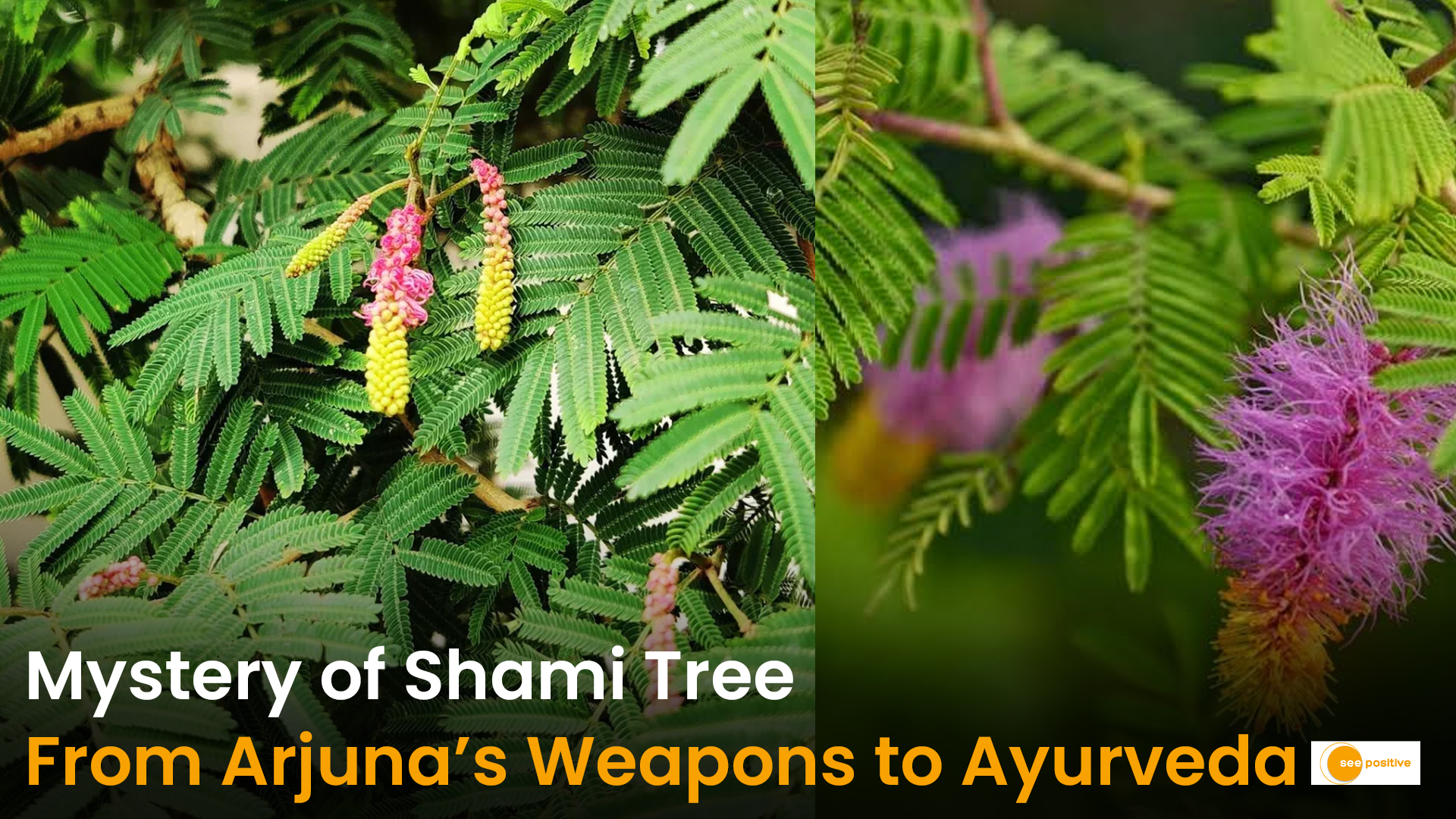
The Shami tree holds a special place in Indian culture, mythology, traditional medicine, and environmental conservation. Revered for its religious significance and valued for its medicinal properties, the tree represents a remarkable connection between nature, spirituality, and India’s ancient traditions.
Known for its association with the Mahabharata and the festival of Dussehra, the Shami tree symbolizes victory, prosperity, courage, and the triumph of good over evil. Beyond its religious importance, it is also recognized for its resilience in challenging climatic conditions and its contribution to the environment.
Religious Significance of the Shami Tree
The Shami tree is considered sacred in Hindu tradition. Its worship is particularly associated with Vijayadashami, popularly known as Dussehra. On this auspicious occasion, devotees worship the tree and offer its leaves as a symbol of prosperity, good fortune, and success.
In several parts of India, people exchange Shami leaves with family members, friends, and relatives as a gesture of goodwill and blessings. This tradition reflects the belief that the tree brings positivity and prosperity into people’s lives.
The Shami tree is also associated with Lord Shiva in various regional traditions, making it an important part of religious practices and cultural beliefs.
The Shami Tree and the Mahabharata
One of the most celebrated stories associated with the Shami tree comes from the Mahabharata.
During their final year of exile, the Pandavas were required to live incognito. According to the traditional account, Arjuna concealed his weapons, including his Gandiva bow, in a Shami tree before entering the kingdom of Virata in disguise.
When the time came to reveal their identities and prepare for battle, Arjuna retrieved his weapons from the tree. This episode has contributed to the Shami tree’s association with courage, victory, protection, and the successful completion of difficult challenges.
The story is remembered during Dussehra, when the worship of the Shami tree symbolizes the restoration of strength and the triumph of righteousness.
Medicinal Importance in Ayurveda
The Shami tree also has a place in traditional Indian medicinal knowledge. Various plants known as Shami in different regions have been used in folk medicine and traditional healing practices.
The name is commonly associated with Prosopis cineraria, also known as Khejri, particularly in western India. The tree’s leaves, bark, pods, and other parts have been used in traditional preparations for various purposes.
However, plant identification is important because the name “Shami” may refer to different species in different regions. Traditional uses should not automatically be interpreted as scientifically proven treatments, and medicinal preparations should be used under the guidance of a qualified healthcare professional.
The tree’s importance in Ayurveda and folk traditions reflects the long-standing relationship between local plant resources and traditional knowledge systems.
Environmental Importance of the Shami Tree
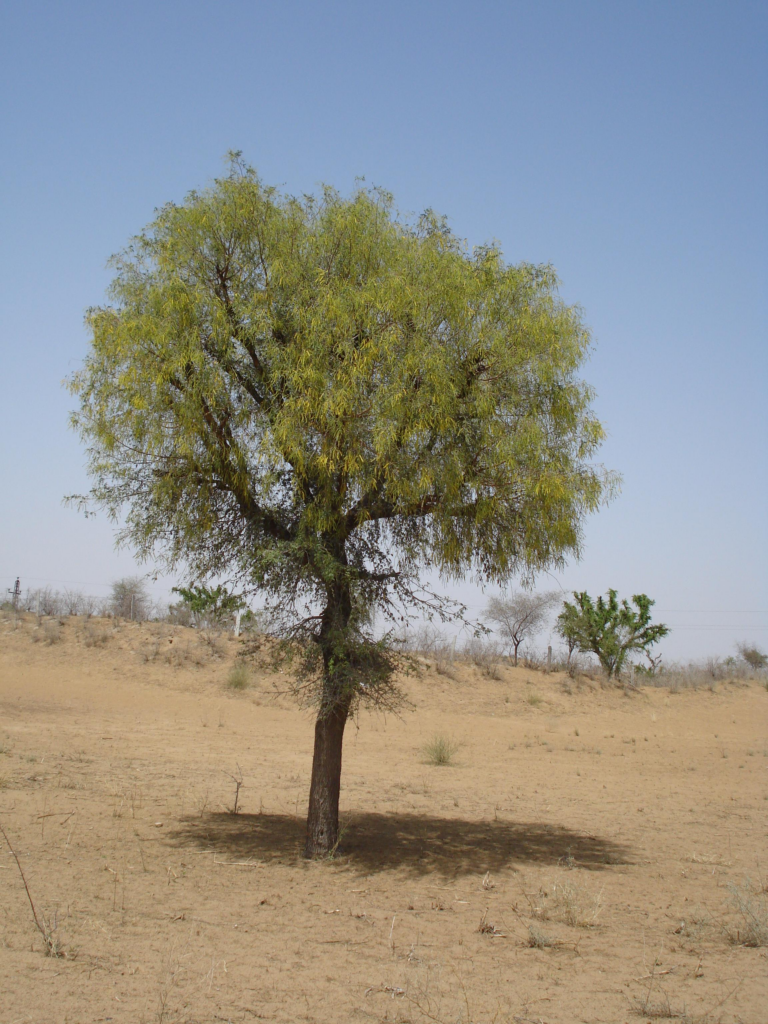
The Shami tree is valued not only for its cultural and medicinal associations but also for its ecological benefits. The Khejri tree (Prosopis cineraria) is particularly important in the arid and semi-arid regions of India, especially Rajasthan and adjoining areas.
Its major environmental benefits include:
- Drought resistance: It can survive in dry climates and withstand challenging environmental conditions.
- Soil conservation: Its root system helps stabilize soil and reduce erosion.
- Support for agriculture: As a leguminous tree, it contributes to nutrient cycling and can improve soil fertility under suitable conditions.
- Biodiversity support: It provides shade, shelter, and food resources for various forms of wildlife and livestock.
- Sustainable rural livelihoods: Its leaves, pods, and wood have traditionally supported rural communities and livestock-based livelihoods.
The Khejri tree is especially significant in traditional agroforestry systems, where trees are maintained alongside agricultural crops. Its ability to thrive in harsh environments makes it an important resource for ecological resilience and sustainable land management.
A Symbol of Faith and Environmental Awareness
The Shami tree represents a unique blend of religious belief, epic tradition, traditional medicine, and ecological value. Its association with the Mahabharata gives it a place in India’s cultural memory, while its environmental benefits highlight the importance of protecting native trees.
Worshipping sacred trees can also provide an opportunity to encourage environmental awareness, promote tree conservation, and reconnect communities with nature.
Preserving trees such as the Shami is therefore not only about protecting cultural traditions but also about supporting biodiversity, soil health, and sustainable ecosystems.
A symbol of courage and victory
The Shami tree is much more than a sacred plant. It is a symbol of courage and victory in Indian mythology, a part of traditional medicinal knowledge, and an important ecological resource in regions where drought-resistant vegetation is essential.
Its significance reminds us that nature and culture have been closely connected throughout India’s history. By respecting traditional beliefs while promoting scientific understanding and environmental conservation, we can preserve the valuable legacy of the Shami tree for future generations.
Also Read: Rajasthan’s 40,000 Kg Ghee Temple: The Fascinating Story of Bhandasar Jain Temple

