

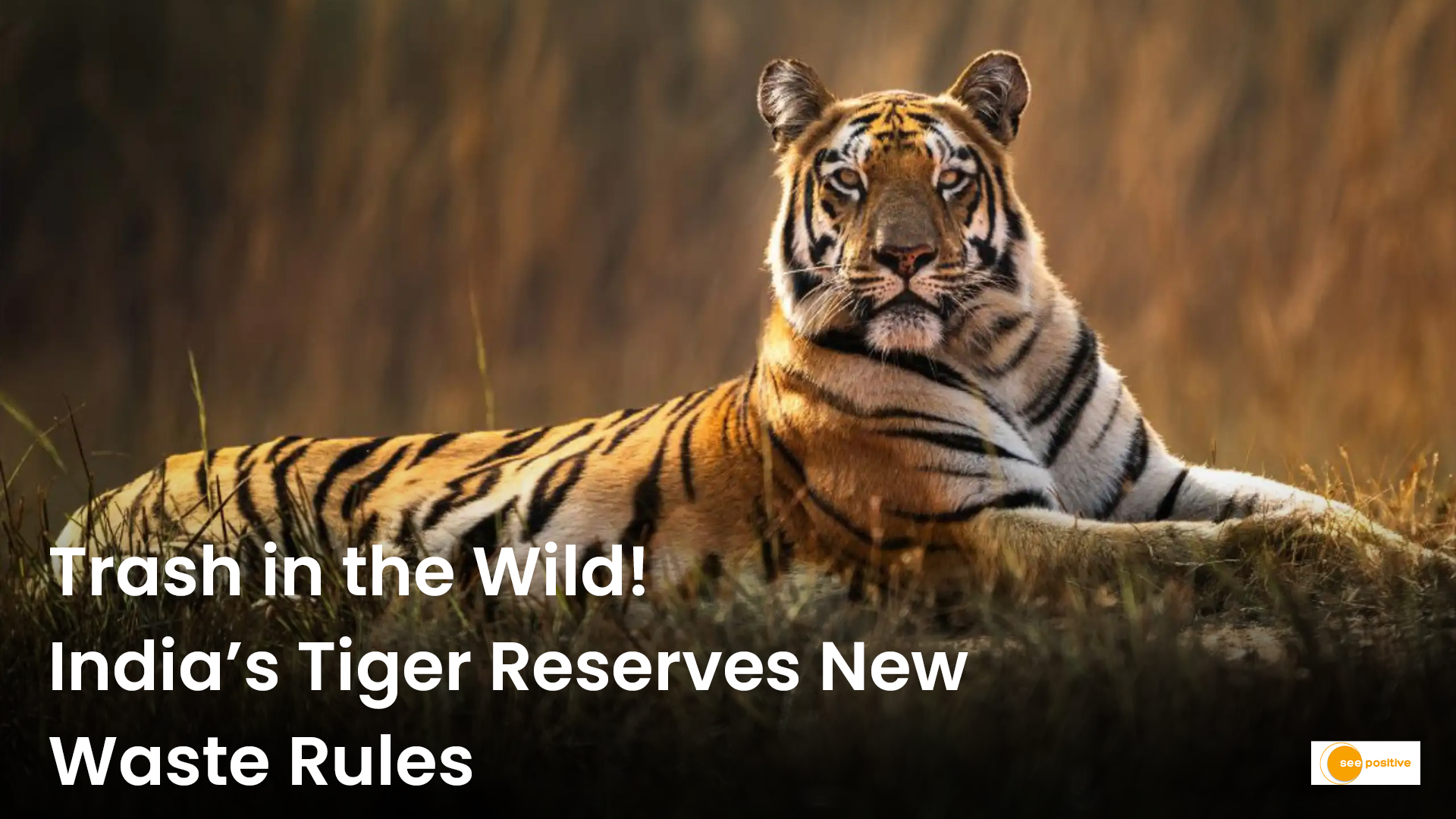
People often associate wildlife conservation with majestic tigers roaming through jungles. They think of anti-poaching patrols and dense green forests. However, few consider the danger of plastic bottles and food wrappers in the wild.
Environmental authorities now recognize that garbage poses a silent, deadly threat to animals. Under the MEE-TR 2026 guidelines by the Environment Ministry, solid waste management is an official evaluation metric. This rule applies to all 58 tiger reserves in India.
Consequently, forest departments will no longer be judged solely by tiger numbers. They must also keep their ecosystems clean and plastic-free.
What Changes Under the MEE-TR 2026 Guidelines?
The National Tiger Conservation Authority (NTCA) and Wildlife Institute of India (WII) lead the assessment. First introduced in 2006 for 28 reserves, the framework now covers 58 reserves. This spans over 85,000 square kilometers of protected forest land.
Evaluators will examine waste practices across three key operational zones:
- Forest Chowkis (Anti-Poaching Camps): Assessing how frontline guards handle daily trash at remote patrol posts.
- Eco-Tourism Zones: Inspecting safari routes, gates, and rest houses for strict anti-plastic enforcement.
- Wildlife Rescue Centres: Monitoring the safe disposal of medical waste and syringes to prevent habitat contamination.
Furthermore, independent audit teams will include local youth and experts. This step ensures transparent community oversight across all reserves.
The Hidden Threat of Garbage in the Wild
Litter does far more than ruin natural aesthetics. It actively alters animal behavior and disrupts delicate ecological balances.
Key Impacts of Solid Waste on Wild Habitats:
- Behavioral Shifts: Predators begin foraging at garbage dumps instead of hunting naturally.
- Ingestion Fatalities: Consuming plastic wrappers leads to severe intestinal blockages and internal toxicity.
- Disease Transmission: Food waste attracts feral dogs. This spreads dangerous diseases like rabies to wild predators.
- Aquatic Pollution: Plastic debris breaks down into microplastics. Consequently, this pollutes forest streams and water sources.
When wild animals find food waste near dumps, they lose their natural foraging instincts. They gather near roads and tourist camps instead. Additionally, consuming food-smeared plastic causes fatal digestive blockages.
Direct Relevance to Tiger Reserves in Chhattisgarh
This waste mandate holds immense ecological significance for Chhattisgarh. The forest-rich state encompasses vital central Indian wildlife corridors. Chhattisgarh hosts four key reserves: Achanakmar, Udanti-Sitanadi, Indravati, and Guru Ghasidas-Tamor Pingla.
Key Impacts on Chhattisgarh’s Protected Habitats:
- Protecting Inter-State Corridors: Udanti-Sitanadi connects wildlife movements across Chhattisgarh, Odisha, and Maharashtra. Keeping migratory trails free of non-biodegradable waste ensures safe animal movement.
- Guarding Pristine River Systems: The Indravati River network nourishes Indravati Tiger Reserve. Meanwhile, Achanakmar feeds several regional tributaries. Enforcing strict waste protocols prevents toxic runoff into water sources used by the endangered Wild Buffalo (Bubalus arnee).
- Managing Expanding Tourism Footfall: Eco-tourism is growing rapidly across Achanakmar and Guru Ghasidas-Tamor Pingla. Mandatory vehicle checks at entry gates will prevent forest floors from turning into dumping grounds.
Measuring Management Beyond Headcounts
Historically, conservation success was measured almost exclusively by animal census numbers. However, experts emphasize that high tiger density can hide serious governance gaps. Uncollected waste and invasive weeds often go unnoticed behind good numbers.
The MEE-TR 2026 framework adapts global standards from the IUCN. It scores reserves across six elements: Context, Planning, Inputs, Processes, Outputs, and Outcomes. By embedding solid waste management into this report card, India sets a strong global precedent.
Final Thoughts
Including solid waste management in tiger conservation is a vital step forward. Protecting wild tigers requires safeguarding every square inch of their habitat. By holding authorities accountable for trash, India ensures its sanctuaries remain wild, clean, and resilient.

