

In September 2026, a disturbing incident in Bihar’s Jamui district brought national attention to the vulnerabilities faced by young students in public spaces. Two Class 10 classmates returning from coaching classes were cornered, subjected to moral policing, and assaulted by a group of men along a roadside. Beyond the outrage, the case highlighted a critical gap: while public bystander culture remained passive, law enforcement had to rely on viral social media footage and vehicle registration tags to identify the victims and initiate suo motu action.
Across India, thousands of young students commute daily between home, school, and coaching centers. To prevent similar tragedies and move from reactive outrage to systemic protection, district administrations must re-engineer how law enforcement and urban infrastructure safeguard student transit corridors.
The Challenge: Vulnerabilities Near Educational Hubs
Educational hubs in Tier-2 and Tier-3 towns create daily waves of student movement during early mornings and late afternoons. As shown in the Jamui incident, which occurred around 7 PM. These hours present specific structural risks:
- Transit Bottlenecks: Dimly lit roads, auto stands, and isolated stretches connecting coaching centers to public transport lack adequate monitoring.
- Fear-Driven Delays in Reporting: Minor victims of public harassment or moral policing often hesitate to file formal complaints due to social trauma, fear of retribution, or complex police procedures.
- Bystander Inertia and Vigilantism: Onlookers frequently hesitate to intervene, while aggressive groups exploit empty public spaces to exercise unauthorized “moral policing” over young men and women.
To address these vulnerabilities, municipal and police administrations must implement proactive, structural interventions that protect students before incidents escalate.
1. Deploying Proactive, Gender-Sensitive Patrols
The Jamui investigation gained momentum after local police established a Special Investigation Team (SIT) and involved female officers to engage with the traumatized minors. Institutionalizing this proactive approach shifts policing from reactive damage control to active prevention.
- Dedicated Pink Patrols: Deploying trained, female-led police units and plainclothes officers around coaching complexes deters harassers and creates a reassuring, visible presence.
- Trauma-Informed Training: Officers stationed in student zones must be trained in sensitive interaction protocols, ensuring young victims can report incidents without fear of moral judgment or bureaucratic friction.
- Institutional Suo Motu Protocols: Establishing formal mechanisms for police to act immediately on digital alerts or local reports removes the burden from minor victims to file immediate, formal complaints.
2. Dedicated Student Helplines and Digital Rapid Response
In many smaller towns, standard emergency response numbers involve multi-layered dispatch systems that delay intervention. A localized, direct digital response system ensures immediate support.
- Geofenced Student Helplines: Local administrations can map coaching complexes and transit nodes as high-priority zones, ensuring calls or messages originating from these coordinates trigger immediate dispatch of nearby patrols.
- Discreet Emergency Signaling: Mobile-integrated SOS tools, silent text alerts, and location-sharing features allow students to signal for help discreetly when cornered or harassed in public.
- Rapid Evidence Removal: As emphasized by statutory bodies like the National Commission for Women (NCW) in the Jamui case, rapid digital response teams must work alongside social platforms to swiftly take down viral footage of minor victims to protect their privacy and mental health.
3. Creating “Safe Transit Corridors”
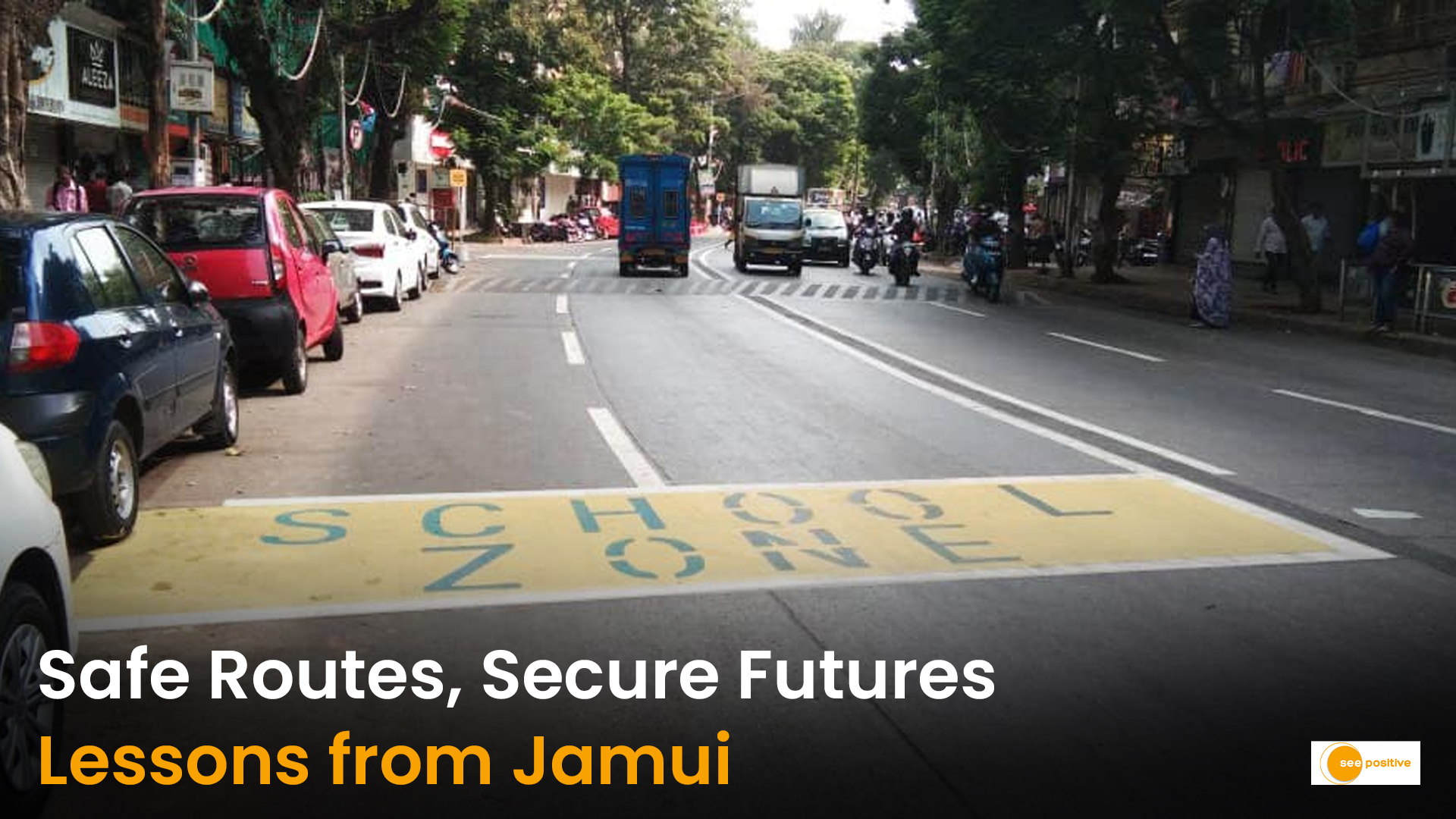
Long-term safety requires integrating urban design with law enforcement. Creating “Safe Transit Corridors” ensures continuous monitoring between coaching hubs and major transit points.
- Upgraded Lighting and Surveillance: Well-lit streets, high-definition CCTV coverage connected to central command centers, and designated waiting areas eliminate unmonitored blind spots along popular student routes.
- Verified Public Transport Registries: Partnering with local auto-rickshaw and bus associations to implement verified driver databases, visible QR-code identification, and official drop-off zones near coaching centers.
- Community Safe Havens: Training local shopkeepers, vendors, and coaching institute staff as designated “Safe Haven” partners where students can seek immediate shelter while awaiting law enforcement or family.
Summary
| Safety Challenge | Policy & Administrative Solution | Impact Demonstrated by Jamui Case |
| Fear and hesitation to report public assault | Proactive suo motu action, female-led SITs, and sensitized outreach | Bypasses victim fear and ensures swift legal action under POCSO/BNS |
| Unmonitored transit routes near coaching centers | Safe Transit Corridors (CCTV, street lighting, verified transit) | Eliminates isolated blind spots along daily student commute routes |
| Viral footage violating victim privacy | Swift coordination between police, NCW, and digital platforms | Prevents ongoing trauma by stopping non-consensual video circulation |
Moving Forward: Turning Outrage into Policy
The Jamui incident serves as a clear reminder that public safety cannot depend on viral social media exposure or post-event investigation alone.
By combining gender-sensitive policing, modern emergency technology, and protective urban infrastructure, district administrations can transform public transit routes from areas of risk into corridors of safety and confidence for young students.
Frequently Asked Questions (FAQ)
What lessons does the Jamui incident offer for student safety policy?
The Jamui incident highlights the need for proactive police action (suo motu FIRs), sensitive handling of minor victims by specialized female officers, and the urgent creation of monitored transit corridors near coaching centers.
What is a Safe Transit Corridor for students?
A Safe Transit Corridor is a planned route connecting educational institutions or coaching hubs to major public transit stops.
It features continuous street lighting, active CCTV surveillance, verified transport operators, and visible police patrols to ensure safe travel.
How can local communities help curb public moral policing?
Local communities can combat moral policing by establishing “Safe Haven” vendor networks near coaching hubs, adopting bystander intervention practices, and utilizing rapid digital reporting tools to alert authorities as soon as public harassment occurs.

