

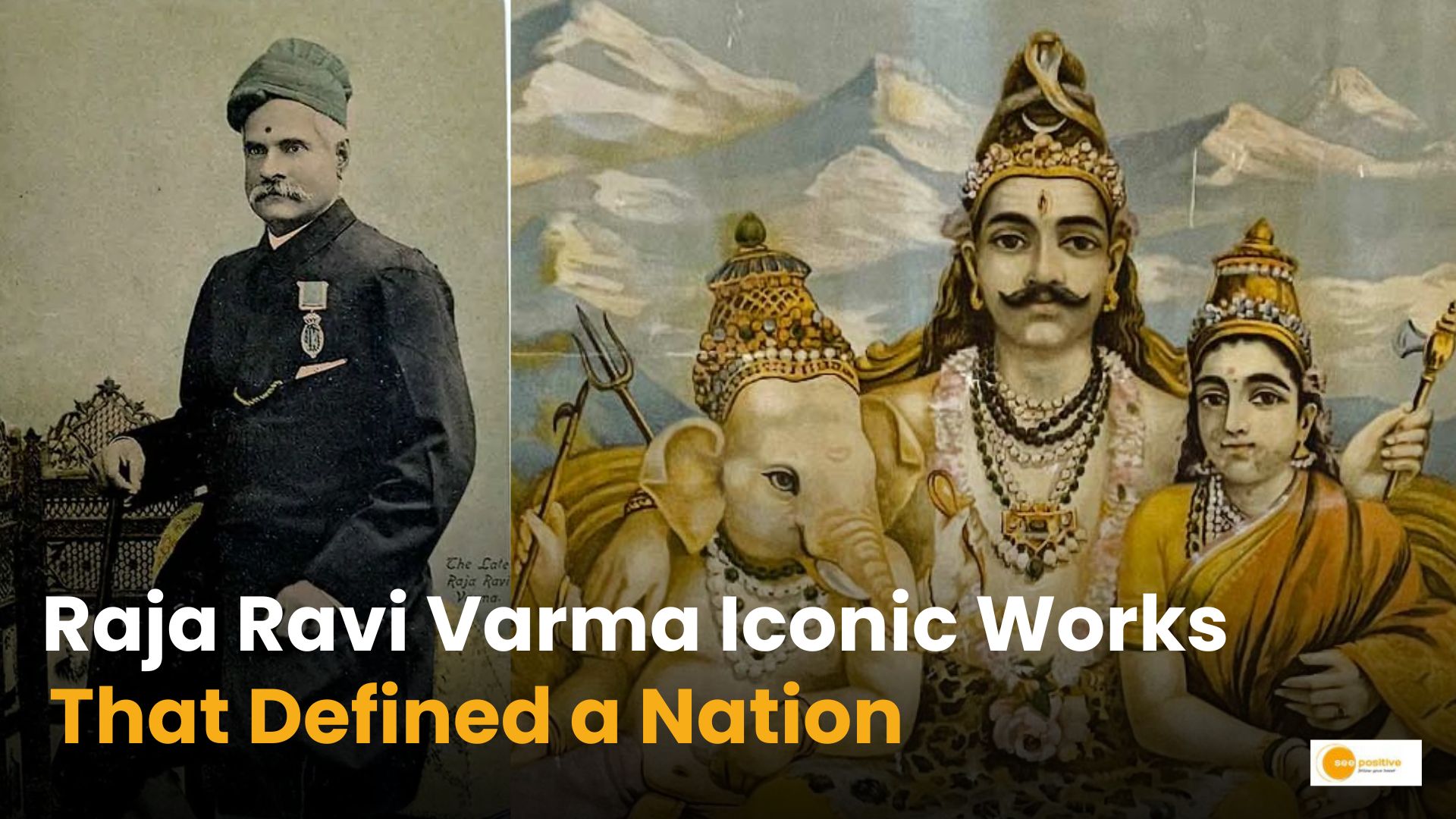
In the late 19th century, when Indian art was largely confined to temple walls and royal courts, one man transformed how a nation saw its culture, its gods, and even itself. That man was Raja Ravi Varma—an artist who didn’t just paint portraits, but reimagined mythology in a way that felt startlingly human.
Early Life: A Royal Beginning with an Artistic Spark
Born in 1848 in Kilimanoor, Ravi Varma grew up in an aristocratic family that encouraged creativity. As a child, he sketched on palace walls using charcoal—an early sign of the genius to come. His talent caught the attention of the royal family of Travancore, where he later received formal training.
What set him apart early on was his exposure to European painting techniques, especially oil painting—a medium not widely used in India at the time.
A Revolutionary Style: East Meets West
Ravi Varma’s biggest breakthrough was blending Indian themes with European realism. Inspired by Western masters, he used perspective, shading, and anatomy to create lifelike figures.
But instead of painting European subjects, he turned to Indian epics like the Mahabharata and Ramayana. His depictions of gods and goddesses—soft, expressive, and deeply human—changed how people visualized divine figures forever.
Iconic Works That Defined a Nation
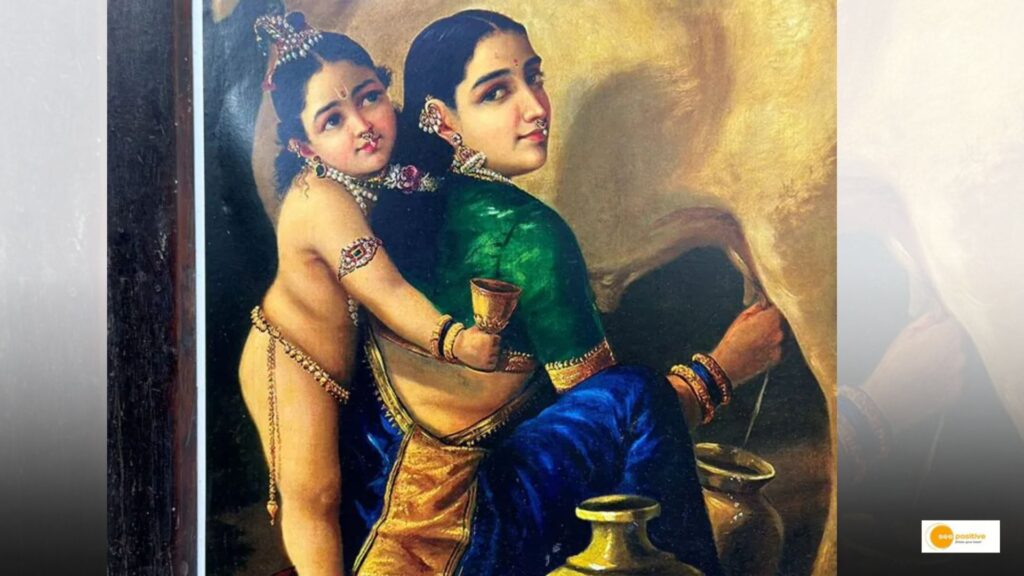
Among his most celebrated paintings is Yashoda and Krishna, which beautifully captures maternal love between a mother and child—yet portrays divine figures with relatable emotion. Created and signed by him, Raja Ravi Varma’s 35 x 28.25-inch oil painting ‘Yashoda and Krishna’ sold for ₹167.2 crore, making it the most expensive Indian painting ever sold at auction.
Other famous works include:
- Shakuntala Looking Back
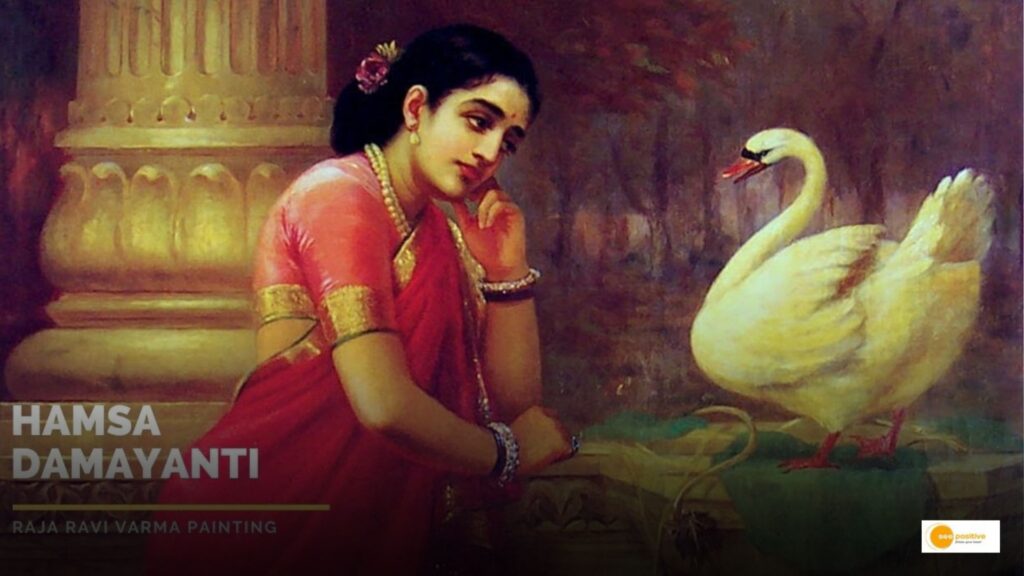
- Damayanti and the Swan
- Lady in the Moonlight
These paintings didn’t just hang in palaces—they became cultural symbols.
The Printing Revolution: Art for the Masses
Perhaps Ravi Varma’s most radical move wasn’t painting—it was printing.
He established a printing press that reproduced his artworks as affordable lithographs. For the first time, ordinary people could own images of gods like Lakshmi and Saraswati. This democratization of art reshaped Indian homes, temples, and visual culture.
Legacy: The Face of Indian Mythology
Ravi Varma didn’t just paint gods—he defined how generations would imagine them. His visual language influenced calendar art, cinema, and even modern advertising.
Today, his works are displayed in prestigious institutions like the National Gallery of Modern Art, and continue to fetch record-breaking prices at auctions worldwide.
Fascinating Trivia
- He was among the first Indian artists to master oil painting techniques.
- His paintings often used real people as models for gods and goddesses.
- He received international recognition, including awards at exhibitions in Europe.
- His printing press helped standardize the modern visual form of Hindu deities.
- Over a century later, his artworks still break auction records, proving timeless appeal.
Why He Still Matters
Raja Ravi Varma’s genius lies in his ability to bridge worlds—royal and common, divine and human, Indian and European. He didn’t just create art; he shaped identity, culture, and imagination.
Even today, when you picture gods from Indian mythology, chances are—you’re seeing them through his eyes.
Read More: Why Bhagwan Mahavir’s teachings still inspire us today?

