

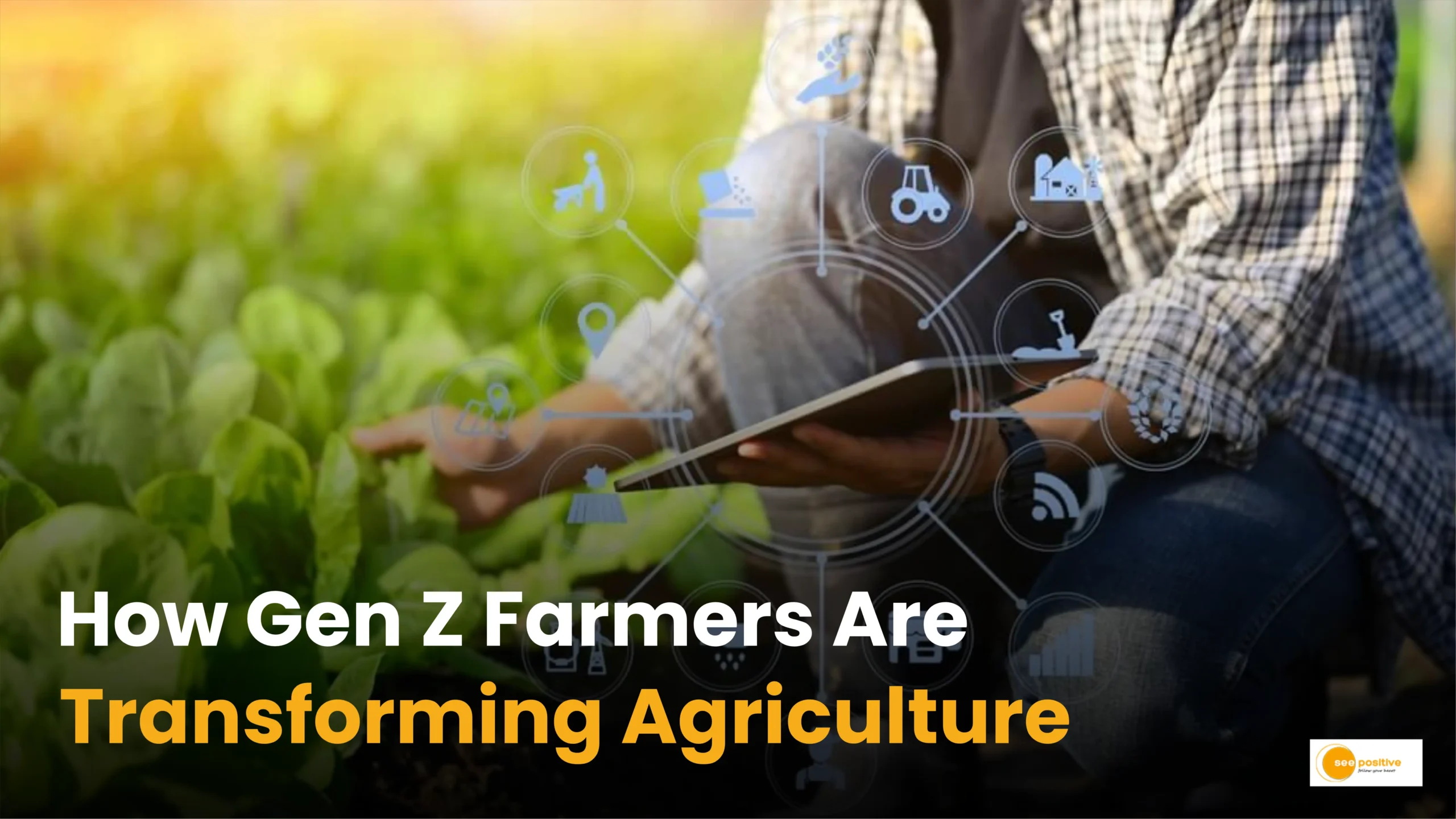
India’s agriculture is increasingly facing challenges such as irregular rainfall, rising temperatures, soil degradation, and water scarcity. Climate change is forcing farmers to rethink traditional methods and adopt climate-smart farming practices that protect crops, conserve resources, and improve productivity. At the same time, a new generation of farmers—young entrepreneurs and Gen Z professionals returning to agriculture—is bringing technology, innovation, and sustainable practices into the sector. These new-age farmers are combining traditional knowledge with modern tools to build a more resilient agricultural future.
In this article, we explore five climate-smart farming practices that are ideal for the Indian climate, and how young farmers are leading this transformation.
What is Climate-Smart Farming?
Climate-smart farming refers to agricultural practices that increase productivity while adapting to climate change and reducing environmental impact. The goal is to produce more food using fewer natural resources such as water, soil nutrients, and energy.
In India, where agriculture supports millions of livelihoods, adopting climate-resilient practices is essential for long-term food security.
1. Precision Farming and Smart Agriculture
Precision farming uses data, sensors, GPS technology, and analytics to optimize agricultural operations.
Instead of applying fertilizers, pesticides, or water uniformly across a field, farmers use data-driven insights to treat specific areas based on soil conditions and crop needs.
Benefits
- Reduces input costs
- Saves water and fertilizers
- Improves crop yield and efficiency
Many young agritech-savvy farmers are using mobile apps, satellite data, and sensors to monitor soil health and crop growth.
This approach is becoming popular among Gen Z farmers who are comfortable with digital tools and data-driven decision making.
2. Drip Irrigation and Smart Water Management
Water scarcity is one of the biggest threats to Indian agriculture.
Climate-smart farmers are adopting efficient irrigation systems such as drip irrigation and sprinkler irrigation.
Drip irrigation delivers water directly to the plant roots, reducing water wastage and improving crop productivity.
Benefits
- Saves up to 60% water
- Reduces weed growth
- Improves crop health
Many progressive farmers are also installing IoT-based irrigation systems that automatically control water supply based on soil moisture levels.
3. Crop Diversification and Climate-Resilient Crops
Traditional mono-cropping makes farms vulnerable to climate risks. Climate-smart farming encourages crop diversification.
Farmers grow multiple crops such as:
- Millets
- Pulses
- Oilseeds
- Vegetables
These crops are more resilient to drought and extreme weather conditions.
In recent years, young farmers have also started cultivating nutri-cereals and indigenous crops, which require less water and offer better market opportunities.
Crop diversification not only reduces risk but also improves soil fertility.
4. Organic Farming and Regenerative Agriculture
Soil health is critical for sustainable agriculture. Climate-smart farmers are increasingly turning toward organic and regenerative farming practices.
These practices include:
- Composting
- Green manure
- Crop rotation
- Reduced chemical inputs
Regenerative agriculture focuses on restoring soil biodiversity and increasing carbon storage in soil.
Many urban professionals and Gen Z entrepreneurs are leaving corporate jobs to start organic farms, creating a new wave of sustainable agriculture in India.
Organic produce is also gaining popularity among health-conscious consumers, creating new business opportunities for farmers.
5. Agroforestry and Integrated Farming
Agroforestry combines trees, crops, and livestock on the same farm to create a balanced ecosystem.
Examples include:
- Growing fruit trees alongside crops
- Integrating dairy, poultry, and fish farming
- Planting trees for shade and soil conservation
Benefits
- Protects soil from erosion
- Improves biodiversity
- Provides additional income sources
Integrated farming systems are particularly effective in regions with climate variability and limited resources.
Rise of New-Age and Gen Z Farmers in India
The Future of Climate-Smart Farming in India
Agriculture is no longer seen only as traditional rural work. Today, many educated young people and Gen Z entrepreneurs are choosing farming as a viable career.
These new-age farmers are introducing:
- Agritech tools
- Drone-based crop monitoring
- Direct-to-consumer farm brands
- Digital marketplaces for farm products
They are also leveraging social media and online platforms to market organic produce, farm experiences, and sustainable agriculture initiatives.
This shift is helping make agriculture more profitable, innovative, and climate resilient.
The Future of Climate-Smart Farming in India
As climate change continues to impact agriculture, climate-smart farming practices will become essential for farmers across India.
By adopting modern technologies, conserving natural resources, and focusing on sustainable methods, farmers can build a more resilient and productive agricultural system.
With the rise of new-age and Gen Z farmers, the future of Indian agriculture looks promising—one that combines innovation, sustainability, and entrepreneurship.
Read more: Thinking of your own Startup? 5 Things you need to know as a Startup Founder

