



Decoding Soft Landing and the Polar Quest
Chandrayaan-3 sets its sights on achieving a “soft landing,” a controlled and damage-free descent to the lunar surface. This intricate maneuver showcases a spacecraft’s prowess and technical excellence. The chosen landing site, situated near the Moon’s south pole at a latitude of 70 degrees, presents a unique challenge. Unlike previous lunar landings near the equator, where conditions are favorable for sustained operations, the polar regions pose extreme temperature fluctuations and perpetual darkness. Overcoming these hurdles can offer insights into the early Solar System.
Learning from the Past
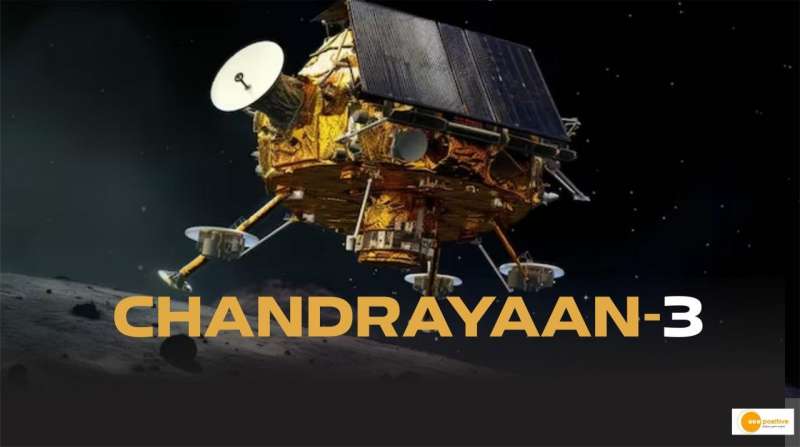
Chandrayaan-2’s experience has shaped Chandrayaan-3’s approach. Addressing software and hardware glitches, Chandrayaan-3 adopts a failure-based design, focusing on overcoming potential pitfalls. Noteworthy changes include reinforced landing legs capable of stabilizing even at 10.8 km/hour speeds. Additionally, the landing site’s flexibility has expanded to a 4kmx2.4km area, providing maneuverability. An increase in fuel reserves ensures adaptability in the landing process. The spacecraft’s solar panels on all sides ensure continuous energy absorption, irrespective of landing orientation.
Payloads and Post-Landing Exploration
Chandrayaan-3 carries a set of scientific payloads, including four on the lander and two on the rover. The lander’s payloads will analyze lunar quakes, thermal properties, changes in plasma, and precision measurement of Earth-Moon distance. A fifth payload from NASA adds an international dimension to the mission. The rover will investigate the chemical composition of the lunar surface, shedding light on elements like magnesium, aluminum, and iron in the moon’s soil and rocks.

