

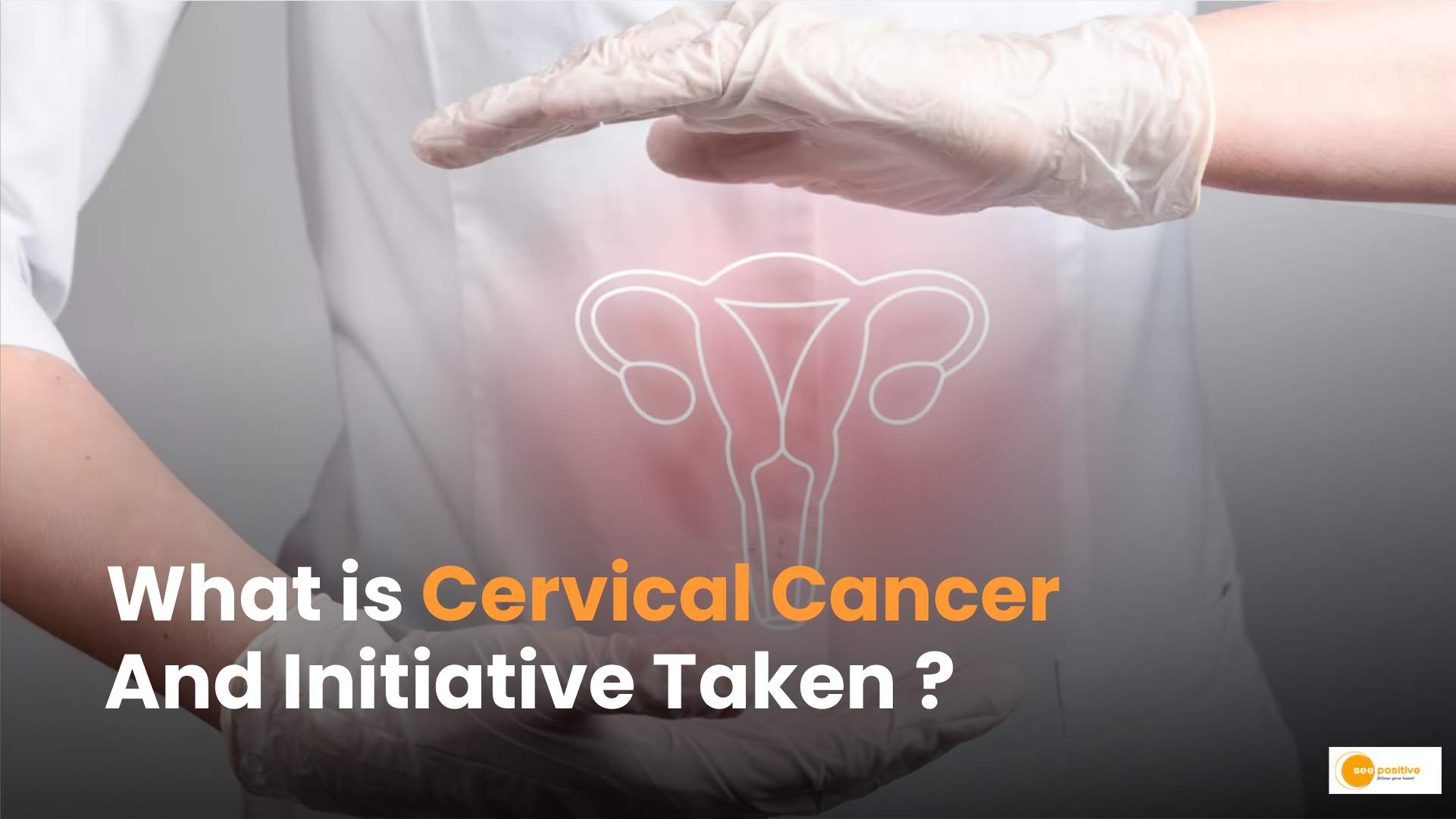
Cervical cancer is a prevalent health concern affecting women globally. According to the World Health Organisation (WHO), it ranks as the fourth most common cancer among women.
Cervical cancer originates from abnormal cell growth in the cervix, the entrance to the uterus from the vagina. In 2020, around 1,23,907 women in India were diagnosed with cervical cancer, making it the second most frequent cancer in Indian women. Early detection is crucial, as it is one of the most treatable forms of cancer.
Last year in 2023, the Centre said an India-made quadrivalent vaccine may be considered for introduction in the Universal Immunisation Programme (UIP) as a twin dose regimen for adolescent girls.
Government Initiative for Vaccination:
Finance Minister Sitharaman highlighted the government’s commitment to promoting cervical cancer vaccination for girls aged 9 to 14. The vaccination program involves administering the HPV vaccine, designed to protect against specific strains of cervical cancer.
The government’s initiative is a significant step in addressing the substantial risk of cervical cancer in India. This vaccination program aims to protect against Human Papilloma Virus (HPV), a common cause of cervical cancer.
HPV Vaccine Details:
The HPV vaccine is administered in a series of shots over several months. While the recommended age for vaccination is usually 11 or 12, it can be given as early as age 9. Currently, different types of HPV vaccines are available. However, Cervarix by GSK was withdrawn from the Indian market in 2022.
Causes of Cervical Cancer:
HPV is the primary cause of 99% of cervical cancer cases. It is a common sexually transmitted infection affecting the throat, genitals, and skin. While most infections clear on their own by the immune system. However, persistent infections can lead to the growth of abnormal cells, potentially turning into cancer.
While abnormal cells take 15-20 years to become cancer, in women with weak immune systems this process can take only 5-10 years. Factors like weak immune systems, young motherhood, hormonal contraceptive use, smoking, and other sexually transmitted infections increase the risk of cervical cancer.
Symptoms and Treatment:
Common symptoms of cervical cancer include unusual bleeding, foul-smelling vaginal discharge, persistent pain, weight loss, fatigue, loss of appetite, vaginal discomfort, and swelling in the legs.
Early diagnosis through medical professionals is crucial. Treatment options include surgery, radiotherapy, chemotherapy, and secondary care for pain management.
Positive Takeaway
Cervical cancer is a leading cause of cancer among women in India, but its impact can be mitigated through effective immunization and early detection. The government’s initiative to promote vaccination for girls aged 9 to 14 is a crucial step in saving lives and preventing the spread of cervical cancer.
By increasing awareness and accessibility to vaccines, we can collectively work towards a healthier future for women in India.

