

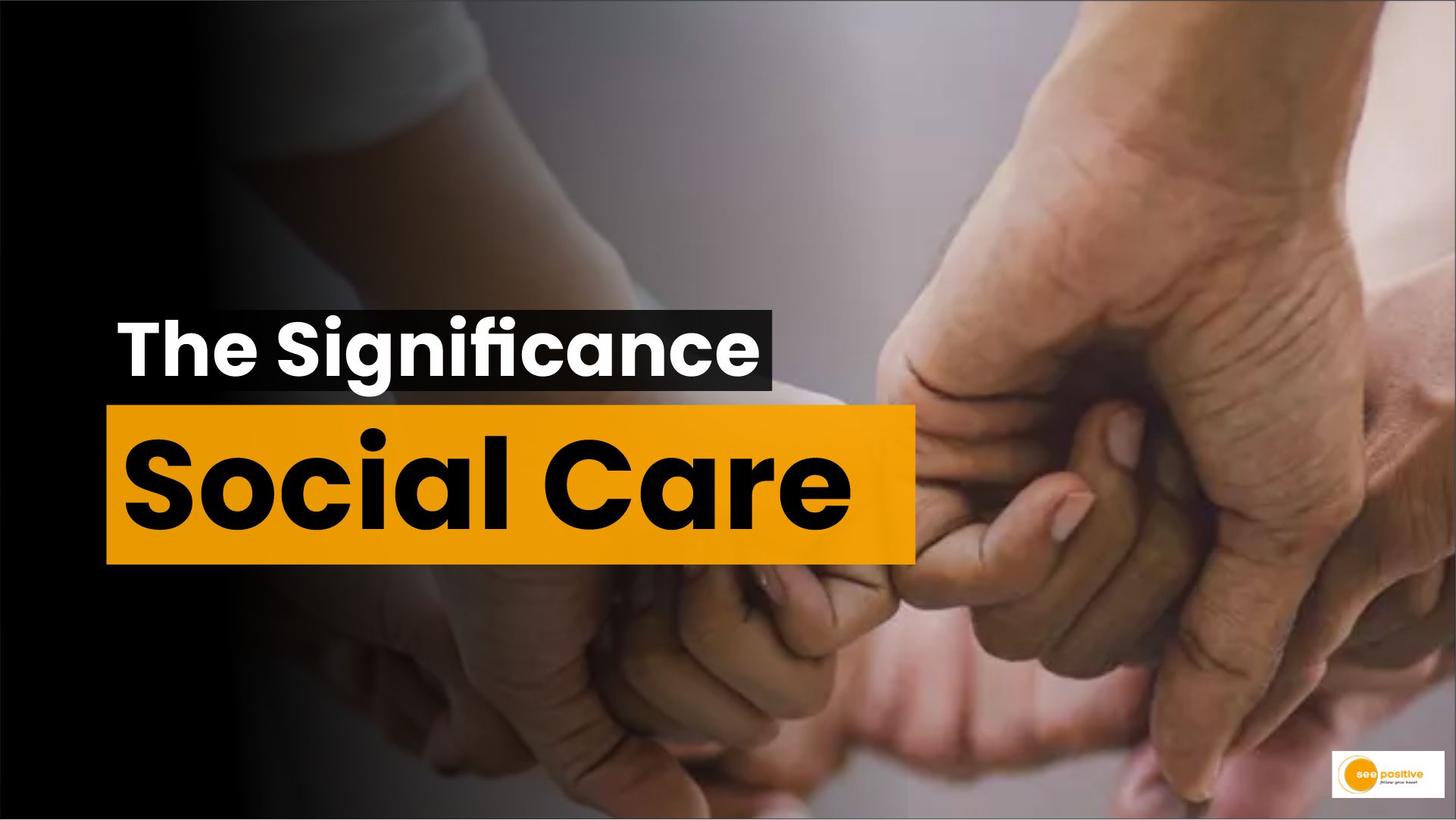
Social care is a vital service that provides personal and practical assistance to individuals in need. It encompasses a wide range of care types, all aimed at helping people live independently and with dignity. Let’s delve into what social care is, why it’s so important, and what the future holds for this crucial sector.
What is Social Care?
Social care is a diverse range of care and support services provided to individuals. Unlike medical care, it focuses on helping people live independently and comfortably, often in their own homes or care-specific facilities. Local authorities in the UK have a legal obligation to provide social assistance to those eligible for it. The costs can be covered by personal funds, government funding, or a combination of both.
Why is Social Care Important?
Now that we understand what social care encompasses, let’s explore the reasons why it’s such a vital part of the healthcare system.
- Quality of Life: Social care has a profound impact on improving the quality of life for those in need. It offers emotional, physical, and social support, enabling individuals to lead more fulfilling lives. It opens doors to experiences they might not have otherwise had, making a significant difference.
- Independence and Dignity: Independence and dignity are fundamental human rights. Social care empowers individuals to maintain their independence as much as possible. It’s a game-changer for those who would struggle to carry out daily tasks without assistance, boosting their confidence and preventing isolation.
- Financial Issues: For many people, social care is the lifeline they need due to a lack of support and financial resources. It ensures that individuals, particularly the elderly without savings or family support, have access to their basic needs, preventing neglect and isolation.
It’s our moral duty to ensure that everyone has equal access to necessities and receives the highest quality care.
The Future of Social Care
The social care sector, often reliant on government funding, is likely to undergo several changes in the future. Here’s what we can expect:
- Impact of COVID-19: The COVID-19 pandemic has placed a tremendous strain on the social care system, exacerbating existing challenges such as staff shortages and funding issues. Addressing these problems is essential for the sector’s sustainability.
- Tax Contributions Increase: Starting from April 2022, the UK will increase tax contributions by 1.25%. This additional revenue will be directed toward the health and social care sector to help it recover from the pandemic’s effects.
- Asset and Contribution Limits: From October 2023, individuals with assets worth less than £20,000 won’t have to make contributions from their savings or housing wealth. This is an increase from the current limit of £14,000. Moreover, people beginning their journey in social care won’t have to pay beyond £86,000 throughout their lifetime.
Conclusion
Social care is a cornerstone of our society, offering life-changing support to those in need. Understanding what social care is and why it’s so important is crucial. We must support and improve this sector to ensure that everyone can live with independence, dignity, and access to the care they deserve. Social care is not just a service; it’s a lifeline that enriches the lives of countless individuals.

